
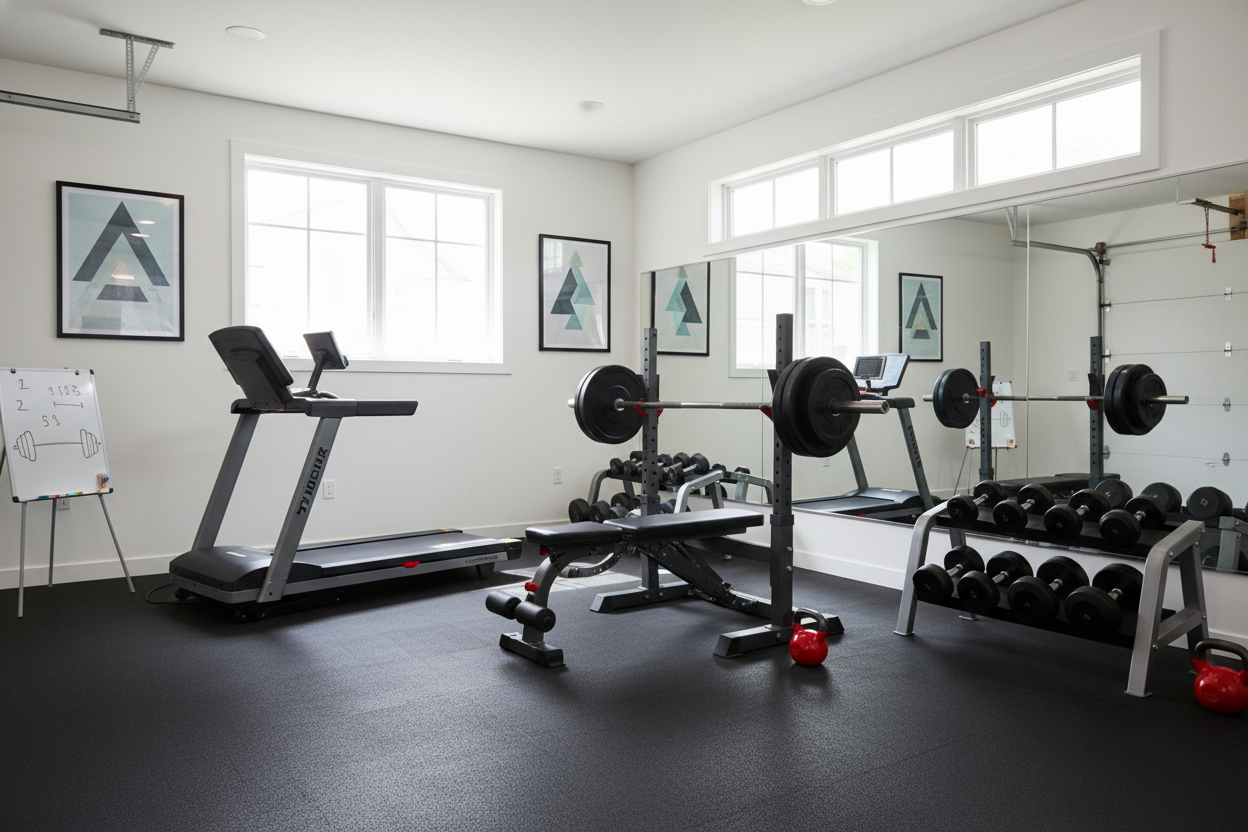
I remember standing in a big-box sporting goods store years ago, staring at a box for a fitness gear weight benches setup. It was cheap, it was in stock, and I didn't want to wait two weeks for a freight delivery. I thought, 'How different can a piece of steel really be?'
Ten minutes into my first session, I had my answer. The thing creaked like a haunted house every time I shifted my weight. If you're looking for the cheapest workout bench just to get moving, I get it—but there's a fine line between a bargain and a liability. If you're planning to move real weight, you need to know what you're actually lying on.
- Weight capacity includes the lifter's body weight, not just the plates on the bar.
- 14-gauge steel is the standard for 'budget' benches, while 11-gauge is the gold standard for safety.
- Frame wobble isn't just annoying; it kills your force production and risks injury.
- A '300-lb capacity' is effectively useless for most adults once you add a barbell.
The Allure of the Sporting Goods Aisle
We've all been tempted by the convenience of a local store. You want a bench for workout room setups today, not next month. Grabbing the cheapest workout bench off the shelf feels like a win until you get it home and realize the 'steel' feels more like recycled soda cans. I spent years testing budget adjustable benches, and the reality is that most entry-level sporting goods brands are designed for light dumbbells, not serious barbell training.
The problem is that these benches are built for the mass market—people who might use them twice a year. If you're actually planning to train consistently, that thin-walled tubing is going to fail you long before your muscles do. You'll spend more time worrying about the bench seat exercise stability than your actual form. When you're pushing a PR, the last thing you want is a workout bench chair that feels like it's going to fold.
The 300-Pound Capacity Trap
This is the biggest trap in the fitness industry. When you see a '300-lb weight capacity' on a weightlifting utility bench, you might think, 'Great, I only bench 225.' Stop right there. That rating almost always includes the weight of the person sitting on it. If you weigh 200 lbs, that bench is only rated to hold 100 lbs of iron. Suddenly, that pro power adjustable weight bench looks a lot less 'pro.'
I've seen lifters try to max out on a fitness work bench that was clearly buckling under the pressure. They forgot that calculating the exact bar weight is only half the battle; you have to account for the dynamic force of the weight moving. A static 300-lb load is one thing, but dropping a heavy bar onto the hooks of a bench press system creates significantly more stress than the label suggests. If you're a 200-lb man, you need a bench rated for at least 600 lbs to feel secure.
Why Your Assembled Weight Bench Wobbles
If your multipurpose weight lifting bench feels like a rocking chair, it’s usually because of the hardware. Cheap benches use small pop-pins and thin bolts that don't quite fit the holes. Every time you adjust weight bench angles, you're wearing down those tolerances. Over time, that 'tiny' bit of play turns into a terrifying lateral sway during a heavy set of incline bench press chair movements.
Contrast that with a heavy duty adjustable weight bench. A real bench uses thicker 11-gauge steel and tighter machining. You want a bench weight capacity that gives you a massive buffer, not one that you're constantly testing. When you're under a heavy load, the last thing you want to feel is the frame shifting an inch to the left. A gym exercise bench press should feel like an extension of the floor, not a trampoline.
When Is It Time to Upgrade?
You’ll know it’s time to move on when you start holding back on your lifts because you don't trust the gear. If you're looking for a mens workout bench that won't fail, look for one with a wide tripod base or a gym bench with wheels for easy movement. A solid bench press platform should stay put, even when you're driving your legs into the floor for a heavy rep.
If you've outgrown your starter gear, it's time to look at a reliable weight bench collection that can actually handle 600 to 1,000 lbs. For those who want to skip the stability issues of free weights entirely, a dedicated chest press machine is a great alternative that provides a fixed path and much higher safety margins for solo lifting. Don't wait for a structural failure to realize your 'deal' was actually a hazard.
Personal Experience: The Day My Bench Gave Up
I once bought a universal gym bench from a garage sale for twenty bucks. It looked fine until I tried to do a set of heavy seated bench gym presses. As I leaned back, the frame literally groaned. One of the welds on the adjust weight bench mechanism had a hairline crack I hadn't noticed. I didn't get hurt, but it was the last time I ever skimped on the one thing between my spine and the concrete. Now, I won't touch a bench unless it's got at least a 2x3-inch steel frame and a weight rating that doubles my total load.
FAQ
What is the best place to buy a weight bench?
Avoid the generic sporting goods aisles. Buy from dedicated strength equipment manufacturers online who specialize in home gym equipment bench press setups. You'll get better steel for nearly the same price because you aren't paying for the retail floor space.
Is a weight bench no weights worth it?
Yes, if it's a high-quality weightlifting utility bench. You can do step-ups, Bulgarian split squats, and dumbbell work. Just make sure the frame is solid enough to handle your body weight plus whatever you plan to hold.
Does a gym exercise bench press need to be bolted down?
Most high-end, heavy-duty benches are heavy enough to stay put on their own. If yours is light enough to slide around when you sit down, you probably need a heavier bench or some high-impact rubber gym flooring to keep it from wandering.
Share:
Rubber vs Urethane Dumbbell: Which Actually Survives a Garage Gym?
I Put the Wirecutter Adjustable Dumbbells Top Pick Through Hell