
I recently watched an infomercial for a piece of fitness equipment that looked like a folding lawn chair with some rubber bands attached. The marketing was slick, promising that a 70-year-old could get 'shredded' while watching the news. It’s predatory, and frankly, it’s dangerous. Most gear marketed toward older adults belongs in a landfill, not your spare bedroom.
If you are looking for the best home exercise equipment for seniors, you need to stop thinking about 'senior gear' and start thinking about 'quality gear' that scales. You don't need a plastic gadget; you need a stable environment where you can challenge your muscles without worrying about a weld snapping or a frame tipping over.
Quick Takeaways
- Skip the 'as seen on TV' plastic; look for heavy-duty steel frames.
- Prioritize magnetic resistance over friction—it's smoother on the joints.
- Fixed-path machines are safer for solo lifting than loose dumbbells.
- Functional space matters more than having twenty different gadgets.
The Infomercial Trap: Why Most 'Senior' Gear is Garbage
The fitness industry loves to treat older adults like they're made of glass. They sell you lightweight, flimsy resistance bands disguised as 'all-in-one' machines. These products usually have a weight capacity that would make a toddler nervous and offer zero path for progression. If you aren't progressively adding resistance, you aren't building the bone density required to prevent fractures.
Bone density and muscle mass don't care how old you are; they respond to mechanical tension. When you use a machine that wobbles every time you move, your brain sends a signal to stop pushing. You can't get a good workout if you're subconsciously worried the equipment is going to collapse. Real strength comes from stability, and stability comes from heavy-duty construction.
What Actually Matters When Outfitting a Space for Aging Bodies
I look for three things when I test gear for older lifters: structural integrity, joint-friendly movement, and safety. If a rack doesn't have a wide base or if a bike seat feels like a brick, it won't get used. You need equipment that invites you to train, not something that makes your lower back ache just by looking at it.
The marketing fluff often tries to distract you from poor biomechanics. Just as Why the Best At Home Exercise Equipment for Women Isn't Pink, the best gear for seniors isn't defined by a 'silver' color scheme or a 'low-impact' sticker. It's defined by how well the machine mimics natural human movement. You want adjustable touchpoints—seats, handles, and pedals—that allow the machine to fit your body, not the other way around.
Building the Best Home Gym for Seniors (Without Overcomplicating It)
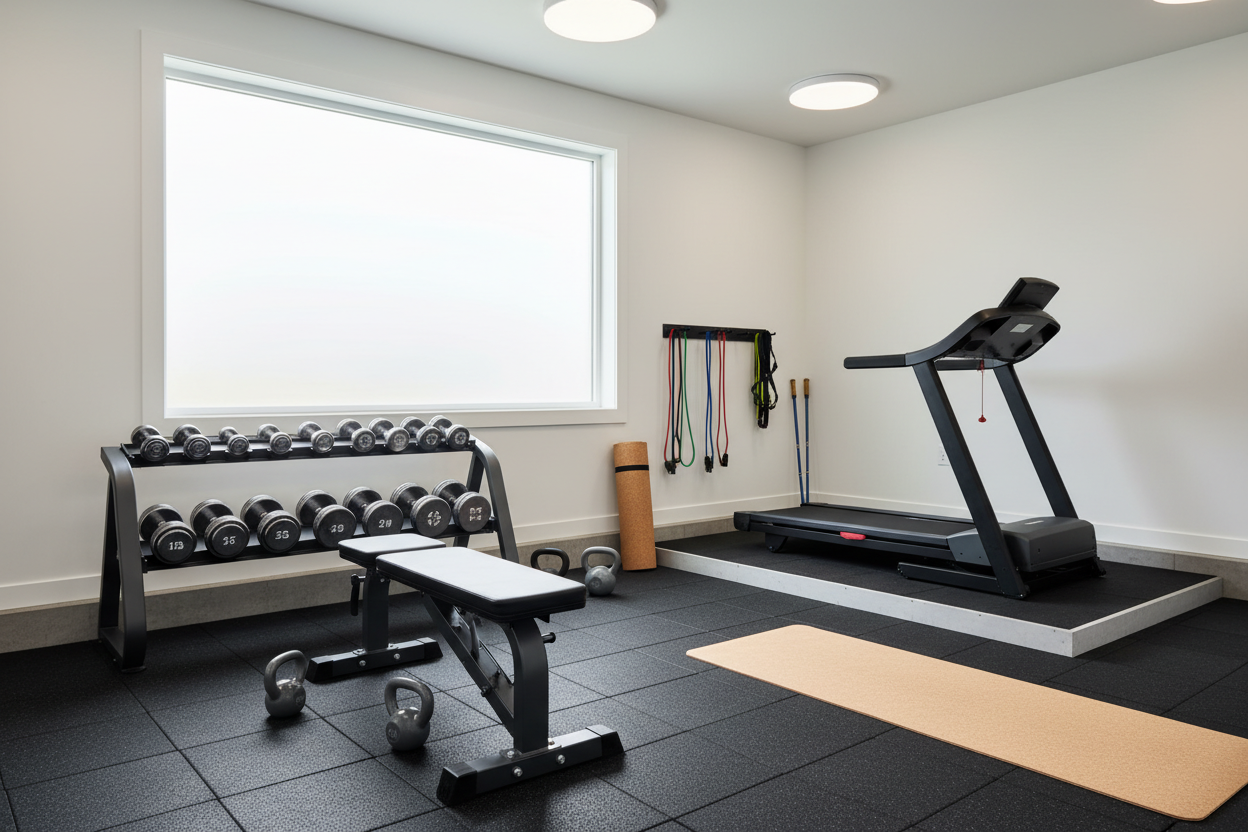
You don't need a 2,000-square-foot commercial facility. A dedicated home gym can fit in a corner of the garage or a spare office if you choose the right anchor pieces. The goal is to create a 'no-excuses' zone where everything is pre-set and ready to go. No one wants to spend 20 minutes digging through a closet for a resistance band.
Low-Impact Cardio That Won't Destroy Your Knees
Treadmills are the default for many, but the constant pounding can be brutal on arthritic knees. I much prefer a cycle with a heavy flywheel and magnetic resistance. It provides a smooth, consistent feel that doesn't 'catch' or jerk during the pedal stroke. For those with limited space, a foldable upright exercise bike is a smart play. It gives you the cardiovascular stimulus you need without taking up a permanent footprint in your living room.
Safe, Spotter-Free Strength Training
Free weights are great, but as we age, balance can become an issue. Dropping a 20-pound dumbbell on your foot is a quick way to end your training career. This is where fixed-plane resistance shines. A smith machine home gym station allows you to perform squats, presses, and rows with a built-in safety net. If you hit failure, a quick turn of the wrist locks the bar in place. It gives you the confidence to lift heavy enough to actually see results without needing a training partner to stand over you.
Finding the Best Exercise Equipment for Seniors at Home: The Floor Space Audit
Before you buy anything, grab a roll of painter's tape. Mark out the dimensions of the equipment on your floor. You need at least 3 feet of clearance around every piece of gear. Tripping hazards are the enemy. If you have to shuffle sideways to get onto your bike, you've failed the floor space audit.
Lighting is also underrated. Most garages are dim, which is a recipe for a fall. Add some cheap LED shop lights so you can see exactly where your feet are landing. An inviting, well-lit space makes the difference between a consistent habit and a room full of expensive clothes hangers.
Personal Experience: The 'Budget' Mistake
A few years ago, I tried to save a few hundred bucks on a rower for my father. It had great reviews on Amazon, but the second I sat on it, I knew I’d messed up. The rail flexed under my weight, and the 'resistance' was just a glorified bungee cord. It felt like a toy. My dad used it twice and then went back to walking outside because the machine felt 'sketchy.' I eventually replaced it with a commercial-grade unit, and he’s used it every day for two years. Quality isn't just about durability; it's about the psychological trust you have in the machine.
FAQ
Is a treadmill or a bike better for seniors?
Usually a bike. It’s zero-impact and carries much less fall risk. If you have balance issues, a bike is the clear winner for safe cardio.
How much weight capacity should I look for?
Always aim for at least 100 pounds over your body weight. If you weigh 200 pounds, look for a machine rated for 300. That extra headroom usually indicates better steel and more stable welds.
Can I build muscle after 70?
Absolutely. Your body never loses the ability to adapt to resistance. You just need to provide a stimulus that is heavy enough to matter but safe enough to repeat.
Share:
Why I Ditched Cables for a Simple Free Weight Home Gym System
Your Ceiling Can't Handle Gymnastics Equipment at Home (Here's the Fix)