
I was scrolling through a late-night shopping channel recently and saw a guy sitting on a recliner, eating a bowl of cereal, while his feet were strapped into a motorized pedal set. He looked thrilled. I looked confused. The pitch was simple: you sit there, the machine does the work, and somehow you get 'fit.' It is the ultimate siren song for anyone tired of the actual grind of the gym.
We have all been there—looking for a shortcut when the motivation well runs dry. But the market for exercise machines that move your body for you has exploded lately, moving from specialized medical clinics into the living rooms of unsuspecting buyers. I have spent enough time in physical therapy clinics and commercial gyms to know that while these tools have a specific purpose, they are often sold under a mountain of false promises.
- Passive machines are great for blood flow and joint mobility but won't build muscle.
- True hypertrophy requires mechanical tension, which motorized gear lacks.
- If you want a 'guided' feel without the gimmick, look for fixed-path resistance machines.
- The best machines work multiple muscle groups simultaneously through active force.
The Seductive Promise of Passive Workouts
There is a reason people search for exercise machines that do the work for you. It sounds like a dream. You get the benefits of movement without the sweat, the heavy breathing, or the sore muscles the next day. These devices—ranging from motorized under-desk pedals to vibration plates and continuous passive motion (CPM) machines—claim to 'circulate blood' and 'tone muscles' while you watch Netflix.
But we need to be clear about the difference between joint articulation and calorie burning. Moving a joint through its range of motion is fine for keeping things lubricated, but it does almost nothing for your metabolic rate. If you are not the one generating the force, your body has no reason to adapt. You are essentially a passenger in a car thinking you are running a marathon just because your legs are moving at 60 mph.
What Happens When the Gear Drives the Movement?
When you use exercise machines that move your body, the biomechanical reality is pretty bleak for anyone looking to lose weight or gain strength. Muscle growth, or hypertrophy, is a response to stress. Your brain signals your muscle fibers to contract against an external load, creating micro-tears that heal and make you stronger. When a motor is spinning the pedals for you, that signal never happens.
I have tested motorized 'cycles' that felt like they were doing 95% of the work. Compare that to a foldable upright exercise bike where you are the engine. On a real bike, even at low magnetic resistance, your quads and glutes have to fire to overcome inertia. On a motorized version, your legs are just dead weight. Without mechanical tension, your body won't burn significant calories, and it certainly won't build a lick of muscle.
Mobility vs. Muscle: Where Passive Machines Actually Belong
I am not saying these machines are total junk. They have a very real, very important home in physical therapy. If you have just had a knee replacement or you are dealing with a neurological condition that limits voluntary movement, a machine that moves your legs for you is a lifesaver. It prevents stiffness, reduces edema, and keeps the joints from freezing up.
But let's be honest: you aren't trying to build a garage gym physique with a CPM machine. If you are able-bodied and your goal is to look better or get stronger, passive machines are a waste of your floor space. They are tools for recovery and maintenance for those who can't move otherwise—not a shortcut for the rest of us to skip leg day.
So, What Exercise Machine Works the Most Muscles?
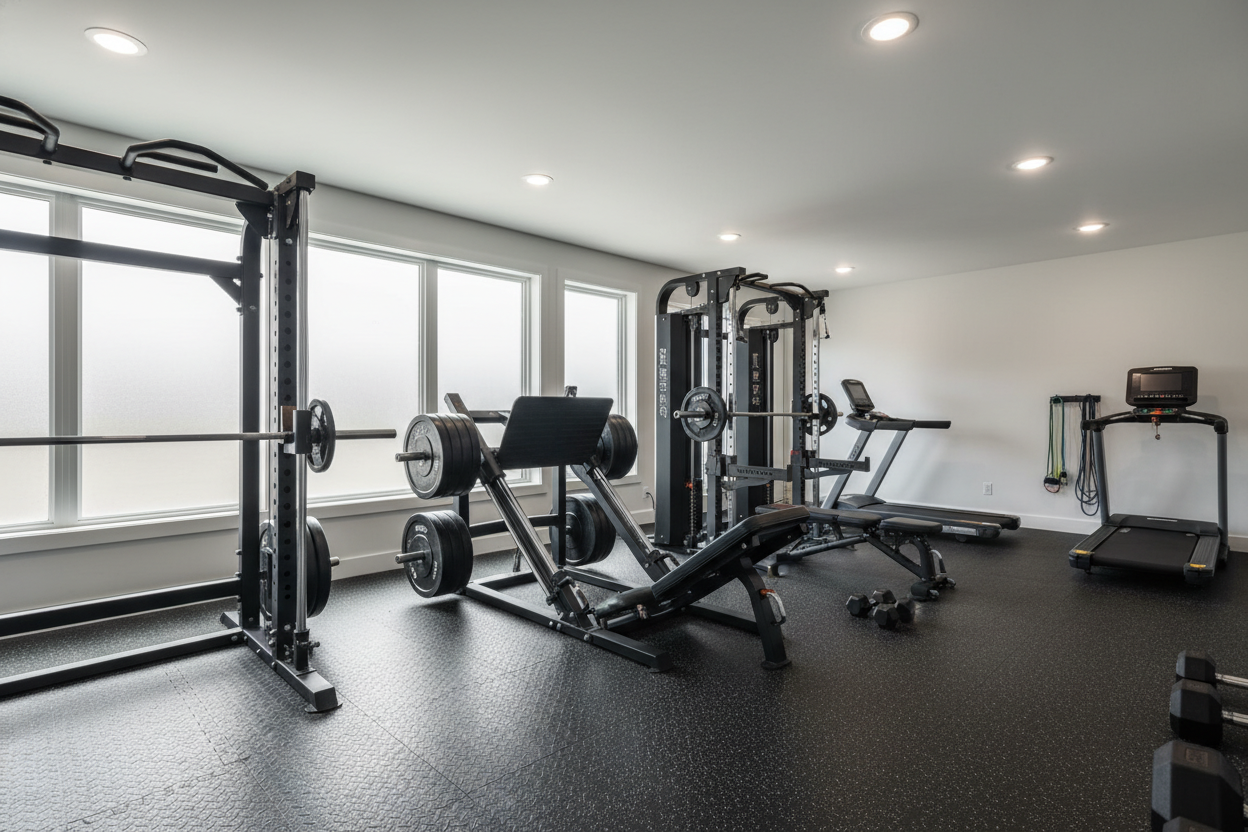
If you want the machine to handle the 'thinking' but you still want to do the 'working,' you need to pivot to compound, guided-path equipment. When people ask what exercise machine works the most muscles, they are usually looking for a way to hit the whole body without the stability requirements of a barbell. This is where cable trainers and multi-gyms shine. They provide a fixed path, but you provide the power.
I actually traded free weights for the machine exercise for a three-month block last year. I was dealing with some lower back tweaks and needed the stability. I didn't lose my gains; if anything, I got bigger because I could push my muscles to absolute failure without worrying about a 300-lb bar crushing my windpipe. The machine handles the balance, but your muscles still do the heavy lifting.
If You Want Guidance, Skip Motors and Use Tracks
The middle ground between a scary free-weight rack and a useless motorized pedal is fixed-path equipment. These machines give you that 'done for you' feel regarding safety and balance, but they still require 100% of your effort. A Smith machine, for instance, is a beast for quad development. You can try an underrated leg exercise on Smith machine like the sissy squat or a close-stance press and feel a burn no motorized gadget could ever replicate.
The same goes for glute training. Trying to balance a heavy barbell on your hips for thrusts is a pain in the neck. A dedicated hip thrust machine handles the awkward balancing act for you. It guides the weight in a perfect arc, allowing you to focus entirely on the squeeze. It moves with you, but it definitely doesn't move for you. That is the distinction that matters.
My Experience With The 'Passive' Trap
I once bought a vibration plate because a flashy ad told me it would 'activate 90% of my muscle fibers' while I stood there. I spent $200 on what essentially turned out to be a very loud, very expensive foot massager. It didn't make me leaner, and it didn't make my squats stronger. It did, however, make my floor joists rattle so loud my neighbor thought I was running a jackhammer. I eventually gave it away and went back to my rack. There is no substitute for sweat.
FAQ
Do motorized exercise bikes burn any calories?
Very few. Since your muscles aren't contracting to move the pedals, you are only burning slightly more than you would while sitting still. It is better than nothing for circulation, but it won't help with weight loss.
Can vibration plates build muscle?
On their own? No. If you do actual exercises like squats or lunges while on the plate, it might add a tiny bit of stability challenge, but the plate itself isn't doing the heavy lifting.
What is the best machine for a full-body workout?
A functional trainer (cable machine) is the king. It allows for hundreds of movements, hits every major muscle group, and provides constant tension throughout the entire range of motion.
Are passive machines good for the elderly?
Yes, absolutely. For seniors with limited mobility, these machines can be vital for maintaining joint health and preventing blood clots. Just don't expect them to build significant strength.
Share:
Stop Hating the Smith Machine Squat (Why It Works)
Why Most All In One Exercise Machine Setups Fail After 6 Months