
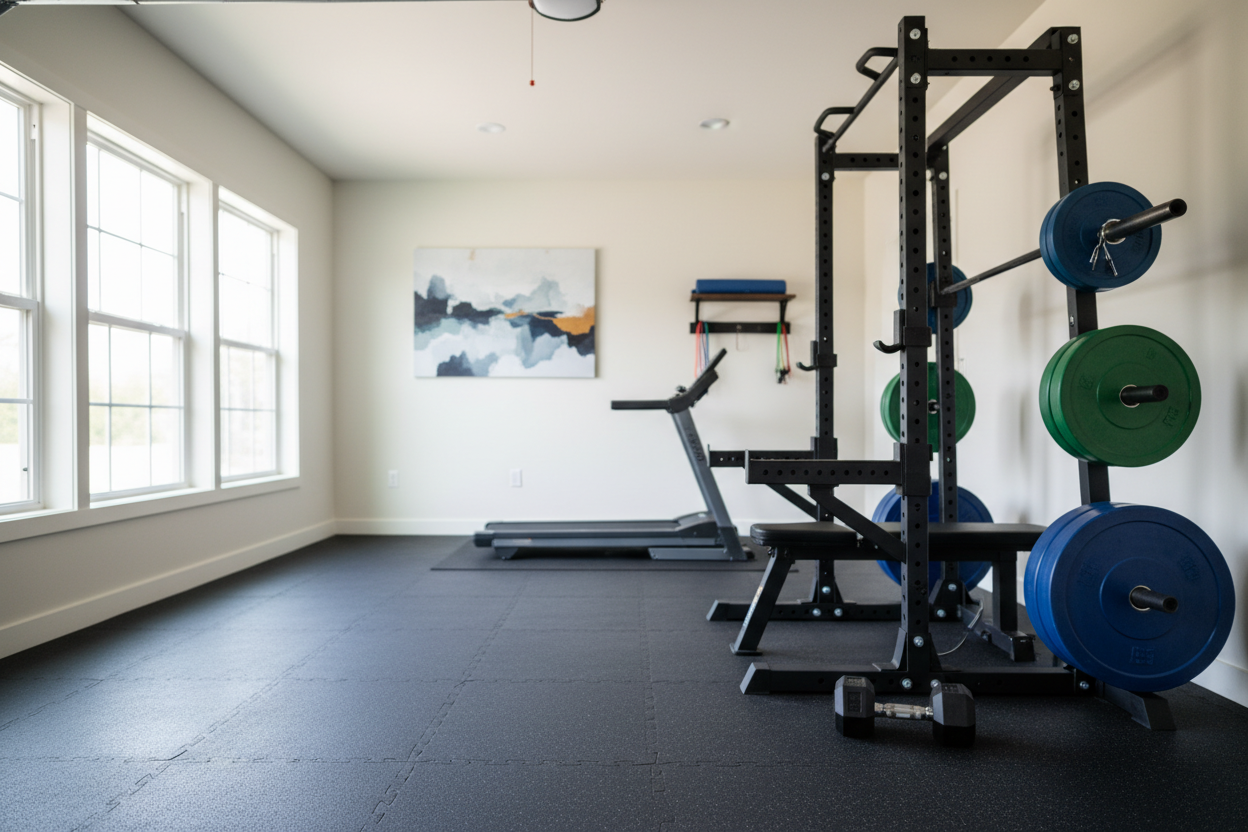
I remember the first time I tried to build a garage gym. I found a squat rack online for $200 and thought I had hit the jackpot. When it arrived, the steel was so thin I could practically bend the uprights with my bare hands, and the 'free shipping' turned into a $150 freight nightmare at the final checkout screen. Understanding the exercise equipment price is about more than just reading the sticker; it is about knowing where the manufacturer cut corners to make that number look pretty.
- Landed Cost: Always calculate shipping and taxes before committing; 'free shipping' is rarely free.
- Steel Gauge: 11-gauge is the gold standard; 14-gauge is for light-duty hobbyists.
- Resale Value: Name brands hold 70-80% of their value, while generic 'Amazon specials' are almost worthless used.
- Maintenance: Cheap cables and plastic pulleys will snap; aluminum and aircraft-grade steel are worth the premium.
The Illusion of the Online Price Tag
You see a price for gym equipment on a website and think that is the total. It almost never is. Once you start outfitting a full home gym, you realize that heavy iron is a logistical headache for shipping companies. If you see a suspiciously low gym equipment price, check the shipping policy immediately.
Freight shipping often includes a 'residential delivery fee' or a 'liftgate fee' that can add $100 to $200 to your total fitness equipment cost. Some budget brands hide these until the very last screen of checkout. Always calculate the 'landed cost'—the price of the item plus shipping and tax—before you get your heart set on a specific barbell or rack. I have seen 'cheap' sets end up costing more than premium ones once the freight was tallied up.
Why Two Identical Benches Have a $300 Difference
On a screen, a $50 budget bench and a $350 competition-grade bench look remarkably similar. They both have black pads and four legs. But the gym material price tells the real story. That cheap bench is likely made of 14-gauge steel with a 300-lb weight capacity that includes the user's weight. If you are a 200-lb guy benching 225, that bench is a structural failure waiting to happen.
Higher prices of gym equipment reflect 11-gauge steel, high-density foam that does not bottom out under load, and grippy vinyl that keeps you from sliding during a heavy press. If you are looking at a weight bench with barbell rack, the complexity of the welds and the thickness of the uprights drastically affect the gym items price. I have seen cheap welds snap under load; it is not a place you want to save fifty bucks when your safety is on the line.
The 'Name Brand' Tax: Are You Just Buying a Logo?
We have all seen the boutique brands that charge double for a power rack. Sometimes, you are paying for American-made steel, tighter tolerances, and better quality control. Other times, you are just funding a massive marketing budget. When comparing gym equipment prices, look for the specs: are the holes laser-cut or punched? Is the finish powder-coated or just cheap spray paint that will flake off in a month?
Aesthetic upgrades are the biggest wallet-drainers. I once wrote about how I Wanted Yellow Gym Equipment (Until I Saw the Price Tag) because custom colors can add 20% to the fitness equipment price for zero performance gain. If you want the best gym equipments rate, stick to standard black or clear coat and put that extra money into a better barbell with high-quality bearings.
Do All-In-One Machines Actually Save You Money?
Buying five different machines takes up massive space and drains your bank account. A Smith machine home gym station can often replace a rack, a functional trainer, and a plate-loaded row machine. When you look at the gym equipment and price for a multi-station, it seems high—often $2,000 to $4,000—but it is usually significantly cheaper than buying those pieces individually.
The trade-off is maintenance. Cheaper all-in-one units use plastic pulleys that fray cables and feel like dragging a sled through sand. High-end units use aluminum pulleys and aircraft-grade cables. If the price for gym equipment feels too good to be true for a complex machine with moving parts, the bearings are probably junk and will feel gritty within six months of use.
Where to Splurge and Where to Cheap Out
Here is my hard rule: spend money on the things that move or the things that hold weight over your face. Buy a high-end barbell with good knurling and a solid rack with 3x3-inch uprights. These are lifetime investments. You can find a better gym equipment names and prices by buying 'dumb' iron—like weight plates or basic dumbbells—on the used market. A 45-lb plate is a 45-lb plate, regardless of whether it is shiny or rusty.
My Biggest Buying Mistake
I once bought a 'budget' power rack for $250 because I wanted to save money for a fancy barbell. Every time I racked more than 225 lbs, the whole thing swayed like a palm tree in a hurricane. I ended up selling it for $100 and buying the rack I should have bought in the first place. I lost $150 and a lot of confidence in my squats that month. Buy once, cry once.
FAQ
Is used gym equipment worth it?
Absolutely. For iron plates and dumbbells, used is the way to go. Just check for structural cracks in cast iron and avoid anything with rusted-out moving parts or frayed cables that could snap.
Why is shipping so expensive for gym gear?
Steel is heavy and bulky. Most carriers charge extra for 'oversized' items, and if you do not have a loading dock at your house, they charge for a liftgate to get the pallet to the ground.
Does steel gauge really matter?
Yes. 11-gauge steel is thicker and more stable than 14-gauge. For a squat rack or a bench, 11-gauge is the gold standard for safety, durability, and preventing that annoying 'wobble' during a set.
Share:
The Only 3 Pieces of Basic Exercise Equipment for Home You Need
Why Your Lifts Feel Weird When Using Weight Machines