
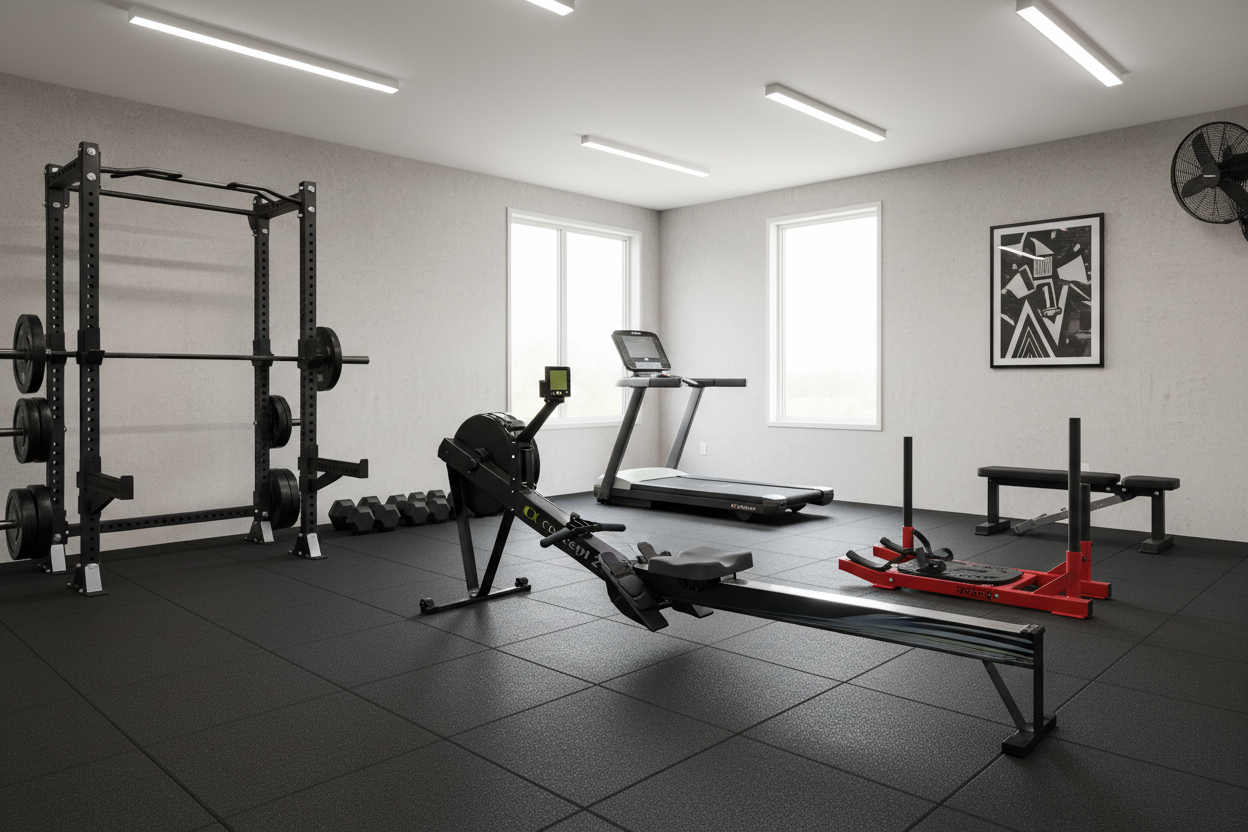
I’ve seen more treadmills used as expensive laundry racks than as actual training tools. Most people buy a machine because a glossy ad showed a smiling person with a 22-inch touchscreen, but three months later, that motor is whining and the belt is slipping. Finding the best cardio machine for home isn’t about picking the one with the most apps; it’s about picking the one you won’t break and won’t ignore.
- Ditch the built-in tablets; they’re the first thing to go obsolete.
- Air bikes offer the highest intensity for the smallest footprint.
- Rowers provide a full-body burn without the joint impact of running.
- Look for commercial-grade warranties and steel construction.
Why Your Current Cardio Machine Is Just Expensive Furniture
Most home exercise equipment cardio setups fail because they feel like toys. If the frame wobbles when you hit 6 MPH, you’re going to stop using it. I’ve spent years testing gear, and the psychological barrier of bad equipment is real. If it’s loud, clunky, or feels like it’s going to snap, you’ll find any excuse to skip your session.
The key is finding cardio equipment at home that actually gets used. That usually means a machine that feels solid under your feet and doesn’t require a 10-minute software update before you can start sweating. Simplicity is the ultimate driver of consistency.
The Problem With Screens, Motors, and Marketing Hype
The industry wants to sell you a subscription, not a machine. They’ll put a beautiful screen on a flimsy frame and call it the best in home cardio exercise equipment. Here’s the truth: electronics die long before steel does. When that proprietary tablet stops receiving updates, you’re left with a very heavy paperweight.
I always tell people to check the maintenance manuals before they buy. You’ll quickly see which brands expect you to lubricate the belt every month or replace a motor every two years. If you want the best cardio workout equipment, look for things with sealed bearings and heavy-gauge steel tubing. Avoid the bells and whistles that don't help you breathe harder.
Treadmills vs. Bikes vs. Rowers: What Actually Works?
Choosing the best home cardio equipment depends on your goals and your floor space. A treadmill is the classic choice, but a decent one occupies a 7x3 foot footprint and requires high ceilings. Unless you’re a competitive runner, you can get a better stimulus elsewhere. I prefer heavy-duty cardio machines that challenge your lungs without beating up your knees.
If you want the best full-body cardio workout machine, you’re looking at a rower or an air bike. These involve both your upper and lower body, which spikes your heart rate much faster than just walking on an incline. Plus, they don’t have massive motors that can burn out when you start pushing the pace.
The Case for the Air Bike (The Ultimate Humbler)
The fan-based cardio machines bike is the most honest piece of equipment you can own. There are no motors; the harder you pedal, the more resistance the air creates. It’s practically indestructible. Most models use a belt or chain drive that can take years of abuse from 300-lb athletes without flinching.
The Case for the Rower (Low Impact, High Return)
A high-quality rower acts as a perfect cardio trainer machine because it hits your legs, back, and arms simultaneously. It’s low impact, making it ideal for anyone with cranky knees. A high-end magnetic or air rower can often be stood up vertically when you’re done, saving a massive amount of floor space in a garage gym.
How to Fit Heavy-Duty Cardio Into a Small Floor Plan
Space is the ultimate luxury. Before you buy cardio workout equipment for home, measure your ceiling height—especially for treadmills. If you’re 6 feet tall and on a 10-inch deck, you’ll hit your head on a standard 8-foot ceiling. Air bikes and rowers are generally the winners here, as they have much lower profiles and can be moved easily on transport wheels.
Final Verdict: What Should You Actually Buy?
Stop overcomplicating it. You don't need a virtual trainer to tell you to work harder. You need a machine that is ready to go whenever you are. I’d take a basic, bulletproof air bike over a $3,000 smart treadmill any day of the week. It’s about building an engine, not watching TV.
Remember that your conditioning should support your lifting. If your home workout feels like cardio already, a dedicated machine helps you build the aerobic base to recover between those heavy sets. Invest in quality once, and you won't be browsing for replacements in twelve months.
My Personal Experience
I once bought a budget treadmill from a big-box store for $500. Within three weeks, the deck cracked during a sprint. I'm not a small guy, but a piece of fitness equipment should handle more than a light jog. I replaced it with a used commercial rower and it’s still going strong seven years later. Don't let a low price tag fool you into buying junk.
FAQ
What is the most durable cardio machine?
The air bike. With no motor and a simple fan-based resistance system, there is very little that can actually break, even with daily high-intensity use.
Is a rower better than a treadmill?
For most people, yes. It provides a full-body workout and is much easier on your joints. Plus, you can store a rower vertically, which you can't do with most treadmills.
Do I need a subscription for home cardio?
Absolutely not. While some machines try to force them on you, you can get a world-class workout with a simple stopwatch and some grit.
Share:
5 Realistic Home Gym Ideas That Don't Require a Massive Garage
Why Most Workout Equipment for Home Ends Up on Marketplace