
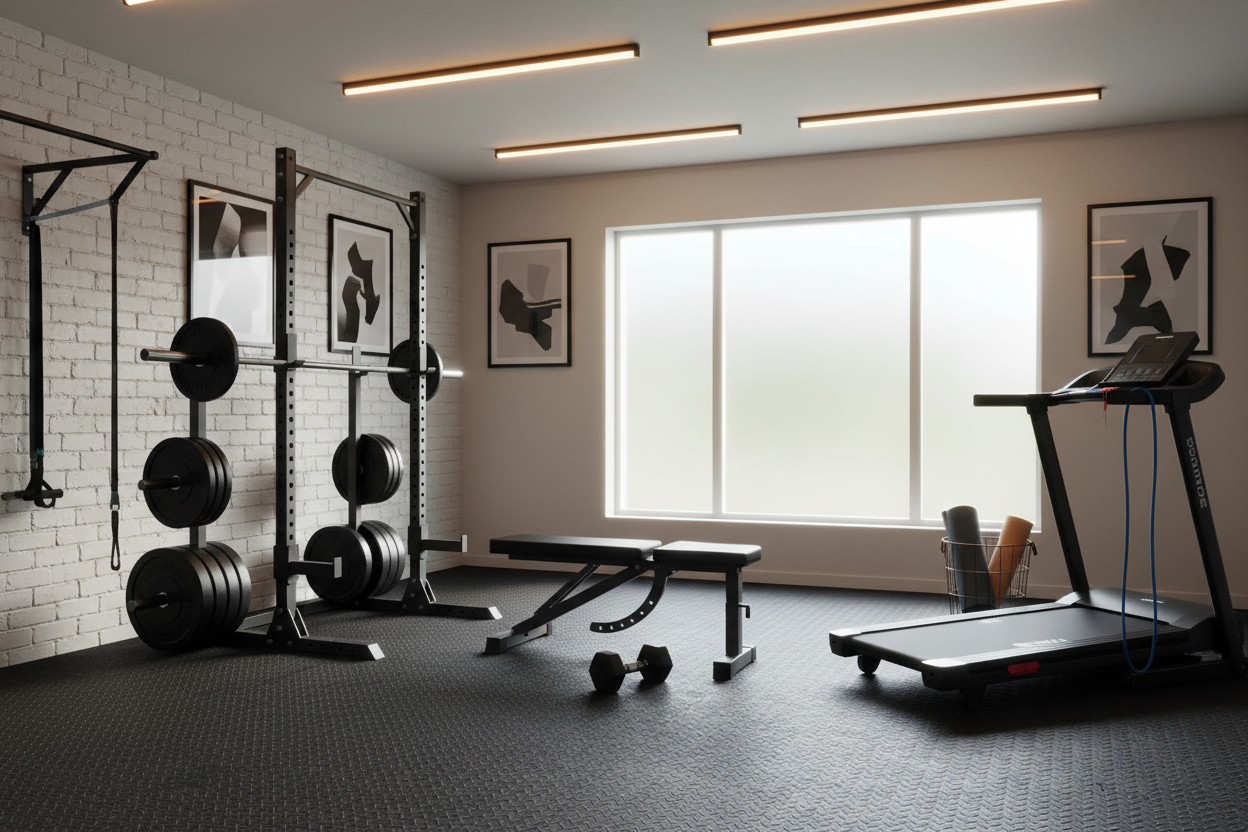
I remember the day I finally quit my local big-box gym. They bumped the monthly fee to $80, the locker room smelled like a wet basement, and half the cable machines were permanently out of order. I spent three weeks obsessively researching the best at home gym machines, hoping to find something that didn't feel like a glorified clothes hanger. I've since realized that most of what you see on social media is overpriced fluff, but there are a few gems that actually hold up to heavy use.
- Build Quality First: Look for 11-gauge steel; anything less feels like a toy.
- Cable Ratios: Understand the difference between 1:1 and 2:1 ratios before you buy.
- Footprint: Measure your ceiling height twice—then measure it again.
- Versatility: A good rig should handle squats, rows, and presses without needing five attachments.
The Problem With Flashy 'All-In-One' Marketing
Marketing departments love to slap the 'premium' label on anything with a shiny coat of paint. You'll see brands advertising the best all in one home gym equipment with 50+ exercises, but 40 of those are just slight variations of a bicep curl. Most of these rigs use thin, 14-gauge tubular steel and plastic pulleys that start squeaking after a month of heavy rows.
I’ve learned the hard way that a flashy digital screen doesn't make up for a wobbly frame. I previously wrote about how I best all in one home gym and realized that while high-end gear has its perks, the best all-in-one gym machine for home use needs to prioritize structural integrity over Bluetooth speakers. If the frame shakes when you're doing pull-ups, it's not a professional home gym; it's a liability.
Footprint vs. Functionality: What Actually Fits?
Space is the ultimate currency in a garage or spare room. Many people hunt for the best multifunctional home gym thinking they need a five-station monster, only to realize they can't actually open their car door once it's installed. A compact best home gym machine should offer a full range of motion without forcing you to hit the walls every time you do a lateral raise.
Before you commit to any home gym equipment, map out your floor with painter's tape. You need at least two feet of clearance around the machine to load plates and move safely. The best home fitness gyms maximize vertical space rather than sprawling across your entire floor. If you're working with a tight corner, look for a best wall gym or a wall-mounted exercise equipment setup to keep the center of the room clear.
Weight Stacks vs. Plate Loaded: Which Should You Pick?
This is the classic debate for anyone looking for the best home weight lifting machine. A best weight stack home gym uses a pin-loaded system, which is incredibly convenient for drop sets and quick transitions. However, you're usually capped at the weight provided. If the stack ends at 160 lbs and you're a heavy hitter, you'll outgrow that best home weight machine in six months.
Plate-loaded options—often called a best free weight home gym—are generally cheaper because the manufacturer isn't shipping 200 lbs of iron blocks. You use your existing Olympic plates. While it takes longer to change weights, a plate-loaded best home weight system is often more durable and allows for much higher ceiling on your strength gains. For most people, a best all in one weight machine that combines both is the sweet spot.
My Non-Negotiables for a Reliable Setup
If you want a rig that lasts a decade, don't compromise on the specs. You want 2x3 or 3x3 inch steel posts. You want aircraft-grade cables and, most importantly, smooth linear bearings. A best multi gym with sticky cables is a fast track to a shoulder injury. I always tell beginners that a Smith machine home gym station is the gold standard for safety and versatility in a single footprint.
Good home gyms also need a solid warranty. If a company won't back their frame for at least 10 years, they don't trust the welds. The best rated home gym options usually feature laser-cut holes and numbered uprights, which makes adjusting your J-hooks or spotter arms much less of a headache during a high-intensity session.
Do You Really Need a Built-In Fixed Track?
Solo lifters often overlook the benefit of a fixed track. When you're training alone at 6:00 AM, having a built-in Smith rack can be the difference between hitting a new PR and getting pinned under a barbell. It allows for a level of hypertrophy training—pushing to absolute failure—that is hard to replicate safely with a standard barbell and no spotter.
The best all in one workout machine will integrate this track without sacrificing the 'feel' of the pulleys. I've found that the best home gym for strength training is one that allows you to transition from a fixed-track squat to a functional cable fly in under thirty seconds. Efficiency is what keeps you coming back to the garage when it's 30 degrees outside.
When to Just Buy a Bench and Call It a Day
Let's be real: sometimes a massive multi-station is overkill. If your primary goal is aesthetics and you already have a set of dumbbells, a dedicated chest press machine with independent arms might be a smarter investment than a $2,000 all-in-one. Independent arms prevent your dominant side from doing all the work, which is key for a symmetrical physique.
The best home gym for beginners isn't always the most expensive one. It’s the one you actually use. If a top home gym feels too intimidating or takes up so much space you can't move, you'll stop using it. Sometimes a high-quality best home gym set consisting of a solid bench and a power rack is the best multifunction home gym you can buy.
How much ceiling height do I really need?
Most full-sized racks and Smith machines require at least 82 to 84 inches. Always check the 'working height'—you need extra room at the top if you plan on doing pull-ups without hitting your head on the ceiling.
Are cable machines better than free weights?
Neither is better; they serve different purposes. Free weights are king for stability and raw strength, while cables provide constant tension, which is superior for isolation and hypertrophy. The best all-in-one gym machine for home usually offers both.
Can I put a heavy gym machine on a second floor?
Standard residential floors are rated for about 30-40 lbs per square foot. A 400-lb machine plus a 200-lb lifter and 300 lbs of plates is pushing it. If you're going upstairs, stick to a compact best home universal gym and use horse stall mats to distribute the weight.
What is the best home gym for a small budget?
Focus on a plate-loaded best home gym strength training rig. You'll save hundreds by not buying a pre-installed weight stack, and you can find used Olympic plates on local marketplaces to keep costs down.
Share:
Can One Exercise Workout Bench Actually Replace a Full Gym?
When to Stop Buying Dumbbells and Get a Weightlifting Barbell Set