
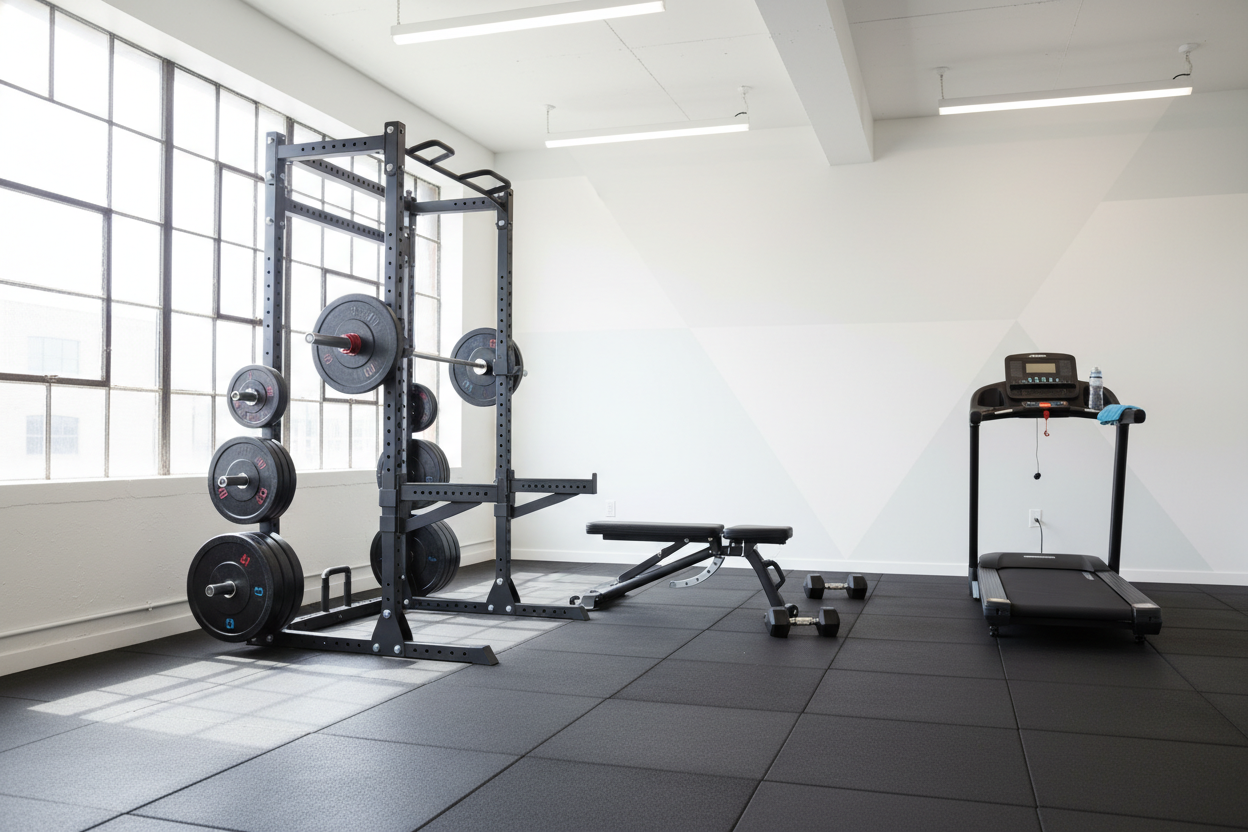
I remember my first day in a commercial gym. I stood there staring at a rack of cold iron, terrified I'd call a plate a 'round thing' and get laughed out of the building by a guy with 20-inch biceps. Figuring out the right name of weights shouldn't feel like learning a dead language just to get a workout in.
- Dumbbells: Best for isolation and fixing muscle imbalances.
- Barbells: The king of heavy, compound movements like squats.
- Bumper Plates: Rubberized weights designed to be dropped safely.
- Kettlebells: Off-center handles perfect for explosive, functional movements.
Why Gym Vocabulary Is So Unnecessarily Confusing
Gyms can be gatekeepers. There is this weird, unspoken pressure to know every piece of jargon before you even touch a barbell. If you don't know the name of weights at gym locations, it feels like you're trespassing in a private club. It's a massive mental barrier that stops a lot of people from ever starting.
The truth? Most of the gym weight names are just holdovers from old-school lifting culture. Once you learn that a 'stack' is just a pile of plates and a 'bell' is just a handle with some iron attached, the intimidation factor disappears. Knowing the vocabulary isn't about looking cool; it's about being able to follow a program without having to Google every second sentence.
The Classics: Decoding Lifting Weights Names
Dumbbells are the ones you see in every movie montage. They are short, meant for one hand, and come in fixed weights or adjustable versions. If you're building a home setup, a pair of dumbbells is the most versatile tool you can own. Then you have the barbell—the 7-foot-long steel rod that handles the heavy lifting. Most 'Olympic' barbells weigh exactly 45 lbs (20kg) and are the gold standard for strength.
If you're serious about getting strong at home, pairing a high-quality bar with a bench with a barbell rack is the foundation of any real progress. It allows you to safely load the different weight names you'll encounter. Don't forget kettlebells, either. These look like cannonballs with a handle. They shift the center of mass away from your hand, which makes them feel heavier and more 'alive' than a standard dumbbell.
Loading the Bar: What Are Weights Called Actually?
When people ask 'what are weights called' when they're flat and round, they're talking about plates. But not all plates are created equal. You have your standard iron plates—these are the ones that clang and bang. They're thin, which is great for loading 500 lbs on a bar, but they'll absolutely destroy your floor if you drop them.
Then you have bumper plates. These are made of high-density rubber. If you're doing Olympic lifts or deadlifts, you want bumpers. They have a uniform diameter regardless of weight, so a 10-lb bumper is the same size as a 45-lb one. When you're browsing types of weights with pictures, you'll also see tiny little discs. Those are 'change plates' or fractional plates. They range from 0.25 lbs to 5 lbs and are essential for when you can't quite make a big jump in weight but still want to progress.
Cables and Stacks: When Weights Are Attached to Machines
Not everything is 'free weight.' In the machine section, you'll find 'selectorized' equipment. This is a fancy way of saying the machine has a built-in weight stack where you move a magnetic pin to choose your load. A cable station with a 140lbs weight stack is a perfect example. It's smooth, quiet, and lets you change resistance in seconds.
I've spent years training with nothing but iron, but I'll admit I missed the weight machines at the gym after moving to a garage setup. Machines provide a fixed path of motion and constant tension that free weights can't replicate. Using these weight names in gym settings—like 'lat pulldown' or 'leg press'—usually refers to the machine itself rather than the individual plates.
Odd Objects: Medicine Balls, Sandbags, and Beyond
Then there's the 'other' category. Medicine balls are the large, often squishy balls used for core work. Slam balls are their angry cousins—they are designed to be thrown at the floor with maximum force without bouncing back into your face. These gym weight names might seem random, but they serve a specific purpose for conditioning.
Sandbags are my personal favorite for 'functional' strength. They don't have a fixed handle, so the weight shifts constantly. It's the most honest weights name in the building because it feels like lifting a person. If you can handle a 100-lb sandbag, a 100-lb barbell will feel like a toy.
How to Stop Worrying About Weight Names Gym Culture and Just Lift
At the end of the day, the iron doesn't care what you call it. Whether you call them 'weights,' 'plates,' or 'those heavy round things,' the physiological effect of lifting them remains the same. The jargon is just a tool to help you communicate. Don't let a lack of vocabulary keep you off the gym floor.
If you're starting at home, keep it simple. Grab a reliable weight bench and whatever weights you can afford. Once you start moving the weight, the names will stick naturally. Focus on your form, keep your back flat, and stop worrying about the 'correct' weight names gym veterans use. We're all just moving heavy stuff from point A to point B.
What is the most common weights name for beginners?
Dumbbells are usually the first thing people grab. They are intuitive, easy to store, and less intimidating than a massive barbell setup.
Why do some people call them 'plates' and others 'discs'?
It's mostly regional. In the US, 'plates' is the standard term. In some parts of Europe and in competitive lifting circles, you might hear them called 'discs,' especially in the context of 'bumper discs.'
Are 'free weights' different from 'weights'?
Free weights refer to anything not attached to a machine or a cable—like dumbbells, barbells, and kettlebells. They require you to balance the weight yourself, which usually hits more stabilizer muscles.
Share:
Googling 'how much is the bar at planet fitness reddit'? I Found Out.
Can a Digital Weight Machine Actually Replace Heavy Iron?