
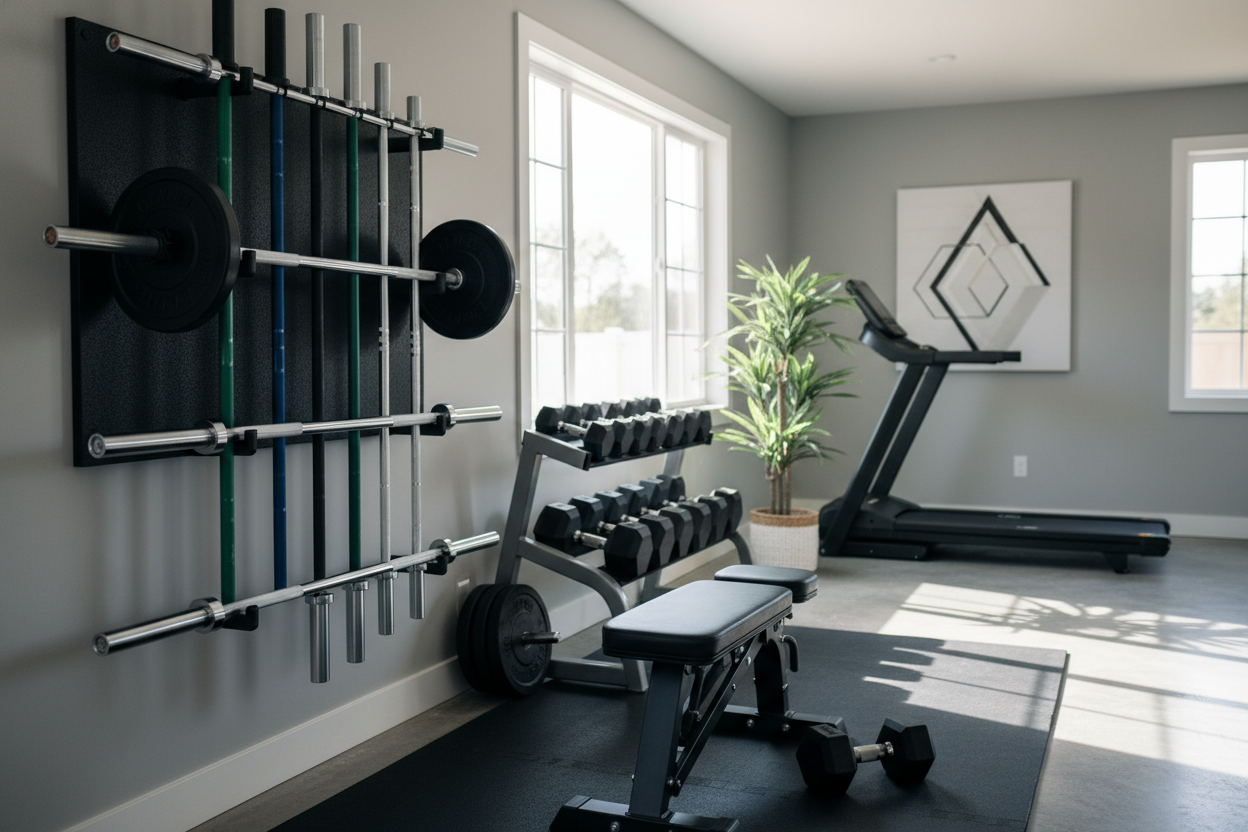
I remember the first 'bar' I bought off Craigslist for twenty bucks. It was a rusted, 1-inch thick piece of junk with bolts at the ends that rattled every time I breathed on it. I didn't know anything about barbell parts names back then; I just wanted to lift. Ten years and a dozen bars later, I've realized that the difference between a bar that lasts a lifetime and one that ends up as a tomato stake in your garden comes down to the details.
Quick Takeaways
- The shaft is the middle part you grip; the sleeves are the ends where plates go.
- Knurling is the texture—choose 'passive' for high reps and 'aggressive' for heavy singles.
- Bushings are durable and best for powerlifting; bearings spin faster for Olympic lifts.
- Standard Olympic sleeves are 2 inches in diameter; anything smaller is a 'standard' bar (and usually junk).
Why You Need to Know What You're Actually Holding
If you're dropping several hundred dollars on a piece of steel, you shouldn't just call it a weight lifting rod. Knowing the anatomy helps you filter out the garbage. For instance, what are barbells used for in your specific program? If you're doing CrossFit, a stiff power bar will beat up your wrists. If you're chasing a 600lb deadlift, a thin, whippy bar is your best friend. Understanding the specs keeps you from buying a bar that's literally dangerous under heavy load.
The Anatomy of a Bar: Breaking Down the Jargon
At its simplest, a long barbell bar consists of a shaft and two sleeves. But it’s the way these pieces are joined and the finish applied to them that dictates the price tag. Cheap bars use bolts to hold the sleeves on; quality bars use snap rings. If you see a bolt at the end of a bar, run the other way.
The Shaft and Knurling (The Grippy Part)
The shaft is the main length of the bar. Most are made of steel with varying tensile strengths—look for 190,000 PSI or higher. Then there’s the knurling. This is the cross-hatched pattern etched into the steel. Some bars have a center knurl, which helps the bar stick to your back during squats, while others leave it smooth to save your neck skin during cleans. You'll also see 'ring marks'—these are the smooth gaps in the knurling that tell you where to put your hands for standardized lifting.
The Sleeves (Where the Heavy Stuff Goes)
The sleeves are the parts that actually rotate. This is also where you slide on the plates. What are the weights you put on a bar called? Usually, they are called plates or bumper plates. Most high-quality gear will feature a 20kg Olympic barbell specification, meaning the sleeves are exactly 50mm (2 inches) to fit Olympic-sized weights. What are barbell weights called when they are made of rubber? Those are bumpers, designed to be dropped without shattering your garage floor.
Bushings vs. Bearings (The Spin Mechanism)
Inside the sleeve, you'll find either bushings or bearings. Bushings are solid rings (usually bronze) that provide smooth, consistent friction. They are the workhorses of the gym. Bearings use small needles or balls to allow for high-speed rotation. If you're doing snatches, you want bearings so the weight can spin without twisting your wrists into a pretzel. For everything else, bushings are usually more durable and affordable.
How Specs Change Across Different Types of Olympic Barbells
Not every bar is built for every lift. Manufacturers tweak the diameter and the steel's 'whip' (how much it bends) to create different types of Olympic bars. A 28mm shaft is common for weightlifting because it's easier to grip for a hook grip, while a 29mm shaft is the gold standard for a stiff power bar.
Powerlifting vs. Weightlifting Bars
Power bars are built to be stiff. You don't want a squat bar oscillating while you have 500 pounds on your back. This is why a squat bar name usually implies a thicker diameter and a very aggressive center knurl. Conversely, a deadlift bar name refers to a bar that is longer and thinner (27mm), designed to bend or 'whip' off the floor, giving you a mechanical advantage. These are all types of barbells designed to solve specific problems.
Specialty Bars (The Weird Looking Ones)
Sometimes a straight bar isn't the right tool. The curved barbell name you're looking for is usually an EZ-curl bar, designed to take the strain off your wrists during curls. What are the short barbells called? Usually, these are 'technique bars' or 'fixed weight bars' found in commercial racks. If you see a bar attached to a rail system, that's a Smith machine. People often ask about the Smith machine bar weight because the counterbalances make it feel lighter than a standard 45lb bar. Knowing what is the bar with weights called in these specific contexts helps you track your progressive overload accurately.
Do These Parts Actually Matter for a Home Gym?
I once bought a bar that had 'chrome' plating that started flaking off in needle-sharp shards within a month. I was literally pulling metal splinters out of my palms between sets. That’s why the finish—whether it's Zinc, Cerakote, or Stainless Steel—matters as much as the internal bushings. If you’re building a home gym, prioritize a multi-purpose bar with bronze bushings and a 190k PSI shaft. It’ll handle your deadlifts, presses, and cleans without complaining. Don't overthink the 'types of bar weights' or fancy colors until you've got a solid, reliable shaft in your hands.
FAQ
What are the weights on a bar called?
They are called plates. If they are made of solid rubber for dropping, they are bumper plates. If they are small and made of metal, they are change plates or fractional plates.
What is the difference between a bushing and a bearing?
Bushings are simple, durable sleeves of metal (usually bronze) that offer moderate spin. Bearings are more complex, using needles or balls to provide fast, effortless spin for Olympic lifting.
Why does my barbell have rings in the grip?
Those are knurl marks. They are used to help you place your hands evenly. The inner set is usually for powerlifting (bench press), and the outer set is for Olympic weightlifting (snatch).
Share:
I Left a Waterproof Weights Bench in the Rain for 6 Months
Can Simple Equipment for Home Exercise Actually Build Muscle?