
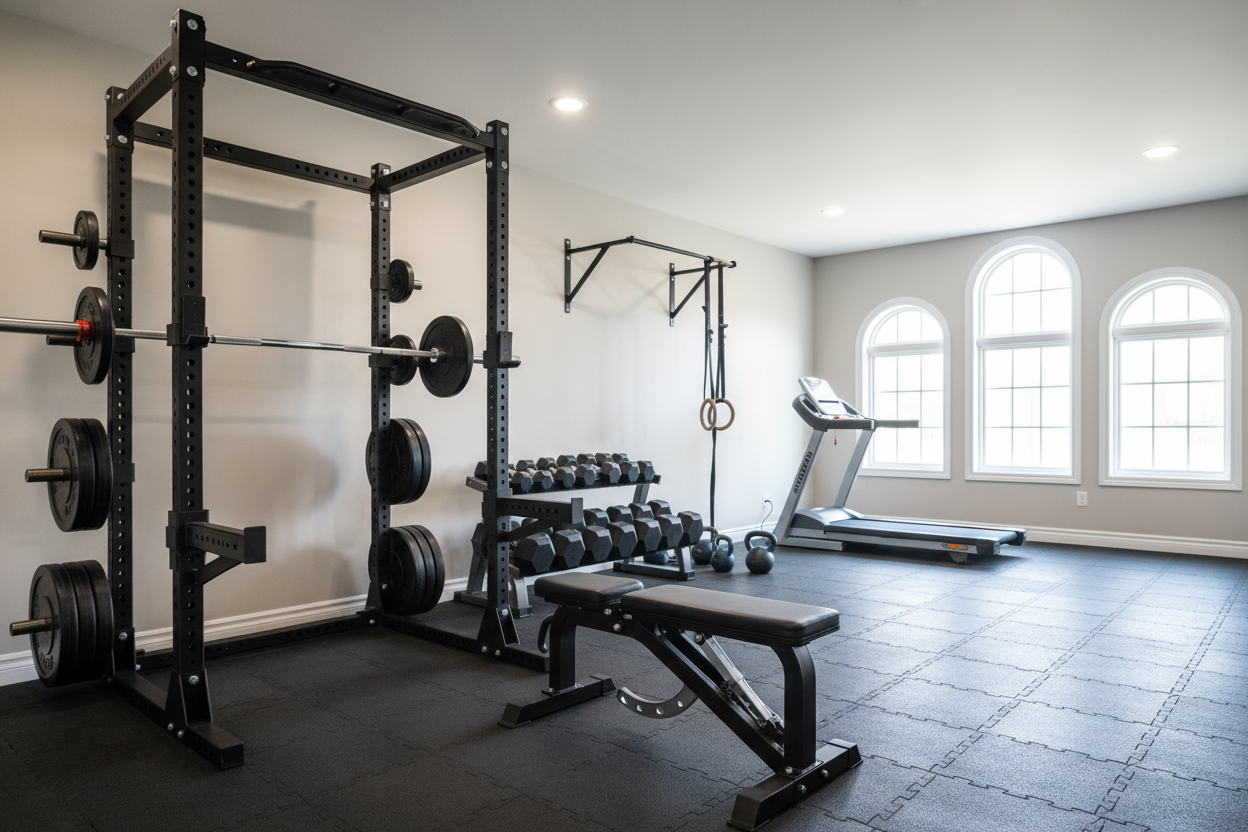
I remember the first time I fell for a 'clearance' rack on a midnight scrolling session. It looked great in the renders, but when it arrived, the powder coat was already flaking and the whole thing swayed like a palm tree when I re-racked a modest 225. It was a wake-up call that the brands of exercise equipment you see in your feed aren't always the ones that belong in your garage.
Quick Takeaways
- Legacy iron makers beat flashy startups every single time.
- Look for 11-gauge steel and 3x3 inch uprights for maximum stability.
- Specialized machines require different engineering than simple squat racks.
- Avoid 'all-in-one' gimmicks that use thin cables and plastic pulleys.
The Social Media Trap: Flashy Doesn't Mean Durable
We are living in the golden age of fitness marketing, which is a polite way of saying we are being lied to constantly. A trendy fitness machine brand today often spends more on high-production video shoots and influencer discount codes than they do on structural engineering. They use thin 14-gauge steel that feels like a soda can once you start moving real weight.
These companies rely on the fact that most people will use the gear for three months and then let it collect dust. If you actually train five days a week, that 'budget' adjustable bench is going to develop a permanent lean within a year. Look past the matte black aesthetic and check the actual weight of the unit. Heavy gear is usually good gear.
The 'Buy It For Life' Tier: Companies That Actually Weld
There is a massive difference between a company that 'designs' gear to be manufactured by the lowest bidder overseas and a weightlifting equipment brands that actually fabricates their own steel. The top-tier guys use robotic welds that look like stacks of dimes and powder coating that doesn't chip the first time a barbell grazes it.
I spent years trying to save a buck, but I eventually learned that I was just paying a 'cheap tax'—buying the same item three times because the first two broke. I realized I had wasted thousands before I finally invested in the best weight equipment for home gym setups. Genuine quality means 3x3-inch 11-gauge steel and overbuilt hardware that stays tight after a thousand drop sets.
The Middle Ground: Good Enough for Most Garages
You don't always need to spend five figures to get a decent workout. There are several home gym equipment companies that have mastered the art of 'good enough.' These brands typically use 12-gauge steel or slightly smaller 2x3-inch uprights. For the guy who just wants to stay in shape and isn't trying to squat 600 pounds, this tier is the sweet spot.
The key here is knowing where to save and where to splurge. You can cheap out on your plate storage or your barbell collars, but never cheap out on the things that hold the weight over your face. You can build a home gym that lasts a decade by mixing high-end essentials with mid-tier accessories.
Why You Shouldn't Buy Machines from Rack Specialists
This is a mistake I see all the time. A company makes a world-class squat rack, so you assume their leg extension or functional trainer will be just as good. Usually, it's not. Squat racks are simple geometry; machines are about biomechanics and leverage. Many gym machine brands that excel at racks fail when it comes to the 'feel' of a cable pull or the arc of a press.
If you want a movement to feel natural, you need a brand that understands pivot points and independent arm movement. For example, a dedicated chest press machine needs to follow the natural path of your joints, not just move a weight from point A to point B. Don't be afraid to mix brands to get the best tool for each specific job.
The 'Avoid at All Costs' Red Flags
If a weight machine brands flagship product is a 'total body system' that fits under a bed, run the other way. These are almost always built with proprietary attachments that break and can't be replaced. Once one plastic pulley snaps, the whole $1,500 unit becomes a very expensive clothes rack.
Avoid brands that push a massive universal gym weight machine with a hundred different configurations. They usually do everything poorly. The cable tension is often inconsistent, and the range of motion is restricted to fit the 'compact' footprint. Stick to simple, proven designs that use standard-sized parts.
Personal Experience: The Wobbly Bench Lesson
Five years ago, I bought a 'pro' bench from a brand that had great Amazon reviews. On paper, it had a 1,000-lb capacity. In reality, the gap between the seat and the back pad was three inches wide, and it felt like I was balancing on a tightrope during heavy presses. I eventually sold it for twenty bucks and bought a heavy-duty tripod bench. It was a reminder that specs on a screen don't always translate to the feeling of steel under your back.
FAQ
Is 11-gauge steel really necessary?
For a squat rack or a bench, yes. It provides the mass needed to keep the unit from walking across your floor and handles the impact of a failed lift without bending.
How do I know if a brand is just white-labeling junk?
Look at the details. If five different brands have the exact same machine with different stickers, they are all buying from the same mass-market factory. Real brands have unique designs and visible engineering improvements.
Are commercial gym machine brands worth it for home use?
Only if you have the space and the budget. They are built to survive 18 hours of daily abuse. In a home setting, they will literally last forever, but they are often too large for a standard garage.
Share:
The Real Reason I Finally Put a Smith Machine at Home
Why an Assisted Weight Machine is the Ultimate Solo Lifting Hack