
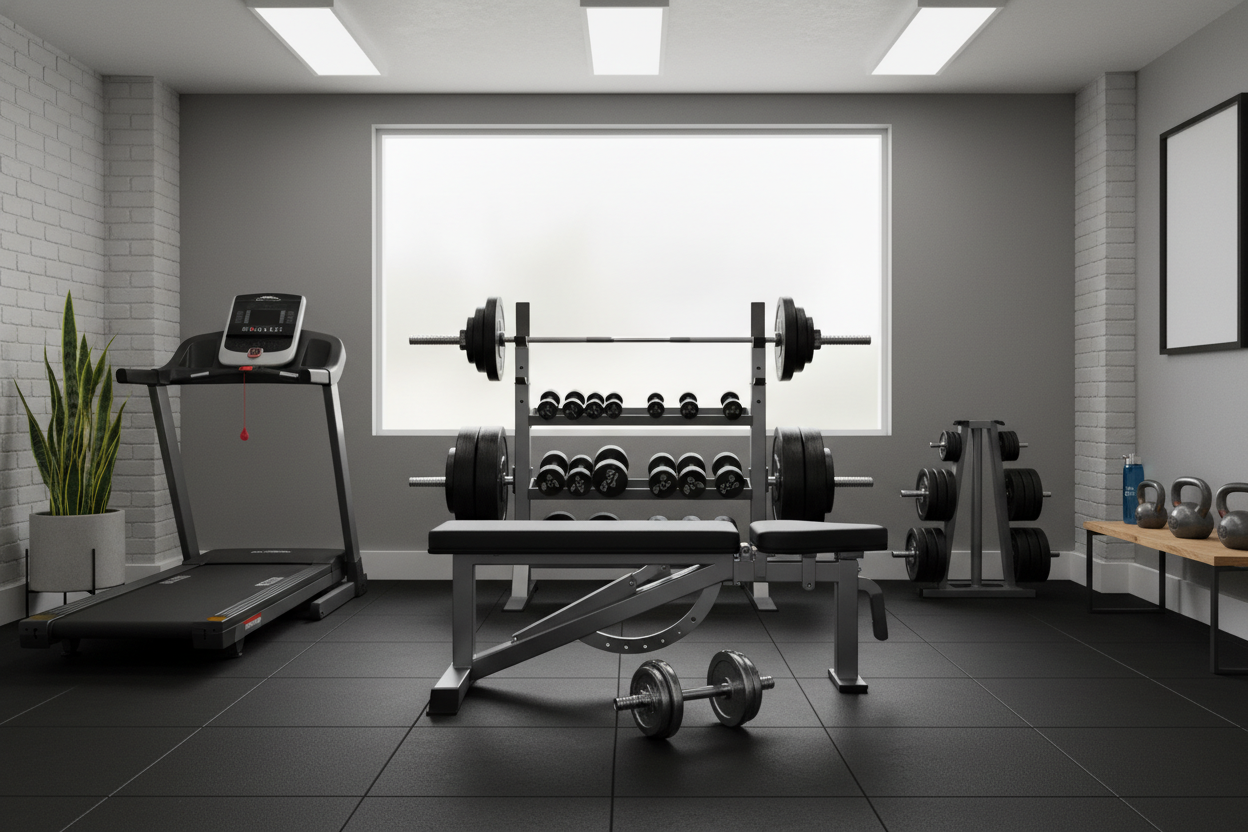
I remember the first time I nearly ended up in the ER in my own garage. It wasn't the barbell's fault; it was a $60 'Amazon special' bench that decided to shimmy right as I was locking out 225 pounds. One leg was literally shorter than the others, and the frame flexed like a pool noodle. Finding good weight benches shouldn't feel like a gamble with your rotator cuffs, but in a market flooded with cheap imports, it often is.
Quick Takeaways
- Look for 11-gauge steel frames; anything thinner (like 14-gauge) is for light dumbbells only.
- High-density foam is non-negotiable for shoulder stability during heavy presses.
- A tripod front-post design offers much better foot positioning for leg drive.
- Weight capacities should be at least 600 lbs to account for both your body weight and the load.
The Wobble Factor: Why Budget Frames Fail Under Pressure
When you're starting a bench home gym, the sticker shock on a high-end unit can be real. You see an inexpensive workout bench for $80 and think, 'It's just metal and vinyl, right?' Wrong. That cheap unit is likely made of thin 14-gauge steel with bolts that look like they came off a child's bicycle. When you're mid-set, that thin metal starts to twist. This isn't just annoying; it's a safety hazard. If the frame flexes, your center of gravity shifts, and suddenly you're fighting the equipment instead of the weight.
A good weight bench for home gym use needs to be a rock. I've tested benches that felt like they were on ice the moment I tried to use leg drive. True stability comes from the footprint and the 'meat' of the steel. Top-tier brands use 11-gauge steel because it doesn't deform under stress. If you're serious about your home gym workout bench, you need to look at the shipping weight. If the whole box weighs 30 pounds, it’s not a gym quality workout bench. It’s a lawn chair with a tan.
I always tell people that the bench is the single most dangerous place to cut corners. If a rack fails, the safety pins catch the bar. If a bench collapses while you're pinned under a heavy press, there's nowhere for that weight to go but your chest. Investing in a solid bench home gym setup is effectively buying insurance for your ribcage. Don't let a $50 savings turn into a $5,000 hospital bill.
What Separates Good Weight Benches From the Scrap Metal?
The difference between the top weight bench brands and the 'no-name' dropshippers usually comes down to the manufacturing process. Real weights bench reviews should talk about weld quality. Are they clean, stacked-dime welds, or do they look like someone let a pigeon loose with a soldering iron? Clean welds mean the joints won't shear when you're doing heavy step-ups or seated presses.
Then there's the powder coating. A weight bench best suited for a garage needs to resist rust. Cheap paint chips the first time you clink a dumbbell against it, leading to corrosion. A good weight bench uses a textured powder coat that provides a bit of grip for your back while protecting the underlying steel from your sweat.
The Hinge Mechanism (Where Most Brands Cheat You)
If you're looking for a good adjustable weight bench, the hinge is the heart of the machine. Most best budget weight benches use a single thin bolt as a pivot point. Over time, that bolt holes widen, and the back pad starts to wobble side-to-side. It’s incredibly distracting when you’re trying to focus on a heavy incline press and the seat is tilting five degrees to the left.
A high-quality good adjustable weight bench like the OWB01 uses a reinforced ladder or a heavy-duty pop-pin system that locks into place with zero play. Ladder designs are my personal favorite because they allow for lightning-fast adjustments between sets. You just lift and drop. No fumbling with pins while your heart rate is at 160 bpm. This is the kind of engineering that separates an affordable weight bench from a 'cheap' one.
The Pad Gap and Foam Density Trap
Let's talk about the 'gap.' In many adjustable workout bench reviews, people complain about the space between the seat and the back pad. If that gap is more than two inches, your butt is going to sink into it during a flat press, ruining your arch and killing your power transfer. The best adjustable bench with decline options usually try to minimize this, but only the pro-level gear actually succeeds.
Foam density is the other silent killer. Cheap foam feels soft and comfortable when you first sit on it, which tricks beginners. But as soon as you pick up 80-pound dumbbells, you sink right through to the plywood base. That’s terrible for your shoulders. You want 'recycled' or high-density foam that feels stiff. It should support you, not cushion you. A weight lifting bench reviews well when it provides a stable platform that doesn't compress into nothingness under load.
Flat vs. Incline: Where Should You Spend Your Budget?
I get asked this constantly: 'Should I buy the best affordable weight bench that's flat, or spend more on an adjustable bench review favorite?' If you only have $150, buy a high-end flat bench. A weight bench at home that does one thing perfectly is better than a good adjustable bench that does five things poorly. Flat benches are inherently more stable because they have fewer moving parts.
However, if you're doing bodybuilding work, you'll eventually want those incline angles. I spent years on a flat pad before finally upgrading to a utility bench, and the difference in my upper chest development was immediate. Just be prepared to pay for it. A home gym adjustable bench that doesn't wobble costs about twice as much as a comparable flat bench. If you see an inexpensive workout bench that claims to do incline, decline, and flat for $99, run away.
How to Spot Fake Weight Lifting Bench Reviews
The internet is full of 'top 10' lists written by people who have never touched a barbell. When reading fitness benches reviews, look for red flags. If the photos are all pristine stock images with no sweat stains or chalk, the reviewer hasn't used it. If they don't mention the 'pad slap' or how the wheels roll on stall mats, they don't know what they're talking about.
Real exercise bench review content should include brutally honest stress tests. I want to see someone actually loading the thing to its limit. If you want to see what a real torture test looks like, check out these brutally honest stress tests. A top weight bench should be able to handle a 300-pound man dropping onto it with 100-pound dumbbells without a creak. Anything less is just a toy.
The Verdict: Buy Once, Cry Once
At the end of the day, your weight training bench reviews don't matter as much as how the equipment feels when you're under a heavy load. You can save money on your plates, your rack, and even your flooring. But the bench? That's your foundation. I’ve owned five benches over the last decade, and I spent more money replacing the cheap ones than I would have spent just buying one gym quality workout bench from the start.
Prioritize a heavy steel frame, dense padding, and a reputable brand. Whether you're hunting for the best cheap workout bench that still meets safety standards or a decline bench best for accessory work, remember the 'buy once, cry once' rule. Your safety—and your gains—depend on it.
Personal Experience: The Day the Vinyl Died
I once bought a 'commercial grade' bench from a big-box store because it looked shiny in the lights. Two weeks later, during a set of Bulgarian split squats, my foot went right through the vinyl. The 'wood' base was actually particle board. It snapped like a cracker. Since then, I've been a snob about plywood thickness and vinyl weight. If I can't do step-ups on it with a 100-lb vest, it doesn't stay in my gym. I've learned that 'affordable' is great, but 'cheap' is expensive in the long run.
FAQ
How much should a good weight bench cost?
For a solid flat bench, expect to pay $150–$250. For a good adjustable weight bench that won't wobble, you're looking at $350–$600. Anything less usually compromises on steel thickness or hinge quality.
What is the best steel gauge for a bench?
11-gauge steel is the gold standard. Some affordable weight bench options use 12-gauge, which is acceptable for most home users, but avoid 14-gauge if you plan on lifting heavy.
Do I really need a decline option?
Most lifters don't. A decline bench best serves those with specific chest-shaping goals or those who do 'decline sit-ups.' For 90% of people, a flat/incline combo is the sweet spot for a home gym workout bench.
Share:
Why Your Weights Bench With Storage Ruins Your Leg Drive
Are Your Favorite Brands for Gym Equipment Actually Making Their Gear?