
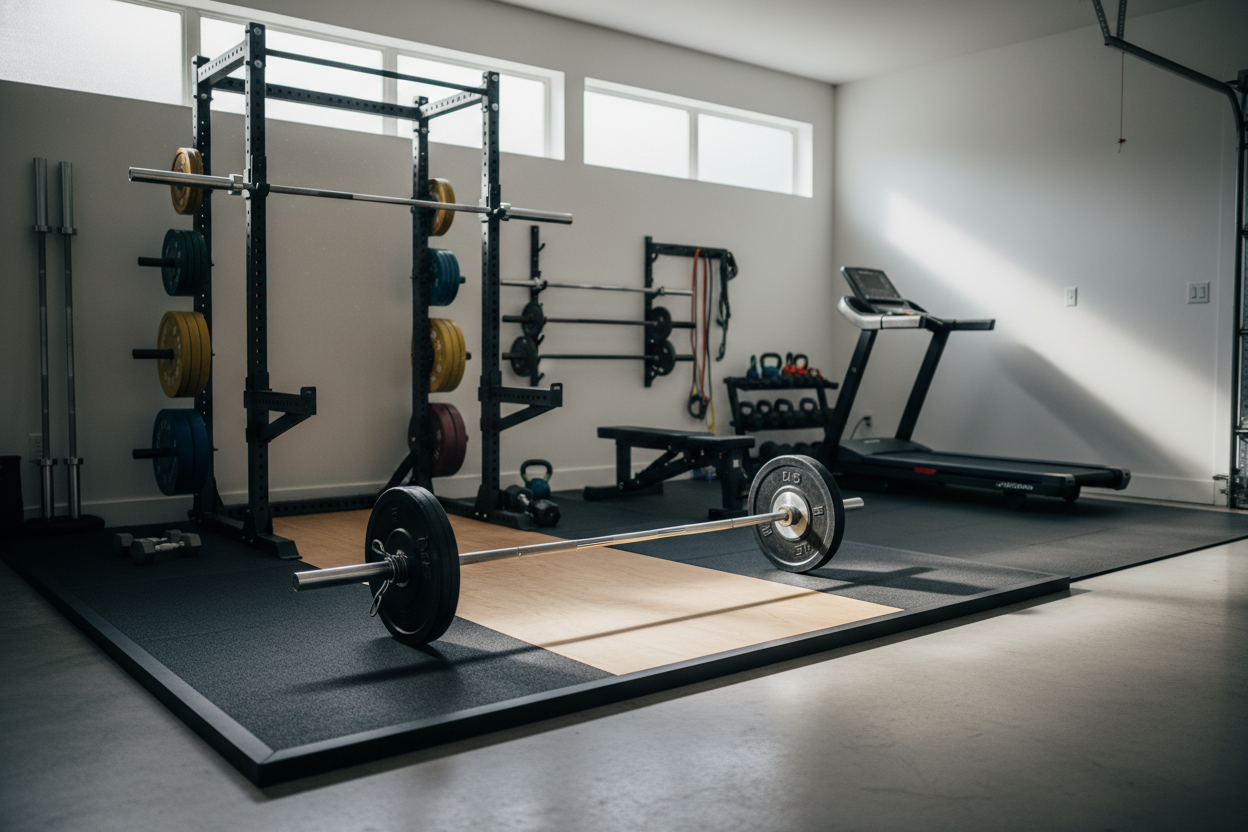
I remember the first time I tried to power clean 225 lbs on a cheap, stiff bar I found on Craigslist. As I pulled under the bar, the plates didn't spin—they just kept their momentum, torquing my wrists back until I heard a sickening pop. That was the day I realized that hunting for the best weightlifting barbell isn't just about gear-head vanity; it is about keeping your joints intact while moving heavy weight fast.
Quick Takeaways
- Look for a 28mm shaft diameter to get the right amount of 'whip' during heavy pulls.
- Needle bearings are non-negotiable for Olympic lifting; they provide the smooth rotation your wrists need.
- Avoid aggressive center knurling unless you want your collarbone to look like it went through a meat grinder.
- A tensile strength of 190,000 PSI or higher ensures the bar won't permanently bend after a heavy drop.
The Difference Between 'Lifting Weights' and 'Weightlifting'
Most people walk into a gym and say they are 'weightlifting,' but if you aren't doing snatches or clean and jerks, you're just lifting weights. It sounds like semantics, but the hardware requirements are night and day. A standard power bar is built to be stiff and thick, usually around 29mm. It is designed for the slow, grinding movements of the squat, bench, and deadlift. If you try to use that for a snatch, you'll find it feels like trying to whip a piece of rebar.
The sport of Weightlifting requires a bar that stores and releases energy. You want a 28mm shaft that has some life in it. When you're deciding which barbell to buy for a garage gym, you have to ask yourself if you're chasing a 600-lb deadlift or a 300-lb clean. You can't have one bar that does both perfectly, but a dedicated Olympic bar is the only way to train the explosive lifts safely.
Why Bearing Spin is Your Wrist's Best Friend
If you take nothing else away from this, remember this: the sleeves are the heart of the bar. Cheap bars use brass bushings, which are basically just metal rings that allow the sleeve to slide. They're fine for a slow barbell bench press, but they fail during the high-velocity turnover of a clean. When those plates are spinning at high RPMs and the bar stops moving at your shoulders, that energy has to go somewhere. If the sleeves don't spin freely, that energy goes straight into your wrists and elbows.
This is why a high-quality Olympic Barbell uses needle bearings. We're talking about small cylindrical rollers inside the sleeve that allow for nearly frictionless rotation. When I'm testing a bar, I give the sleeve a flick. If it stops after three seconds, it's a pass. If it spins like a top for twenty seconds, that's a bar that will save your tendons during a heavy session. It’s the difference between a smooth catch and a trip to the physical therapist.
Whip, Tensile Strength, and Knurling That Doesn't Bite
Let's talk about 'whip.' When you see a heavy bar bend and then spring back at the top of a lift, that's whip. A 28mm shaft is thin enough to flex under load, which helps the lifter get a little extra 'pop' out of the bottom of a clean. If the bar is too stiff, it feels dead. If it's too whippy, it becomes unpredictable. You want that Goldilocks zone that only comes from high-quality spring steel.
Then there's the knurling. For Olympic lifting, you want a grip that feels like sandpaper, not a mountain bike tire. You need to be able to hold on during a heavy snatch, but you also need the bar to slide slightly in your hands during the transition. More importantly, check for a passive center knurl. A sharp center knurl will shred your neck and chest during high-volume front squats or cleans. I've finished sessions with blood on my shirt because I used a powerlifting bar for cleans. Don't make that mistake.
Sorting Through the Endless Barbell Options
The market is flooded with barbell options ranging from $150 to $1,000. Don't get distracted by fancy cerakote colors or 'limited edition' branding. Focus on the specs: 28mm diameter, needle bearings, and a minimum of 190k PSI tensile strength. If a company doesn't list their PSI or what kind of bearings they use, they're hiding something. Avoid them.
If you're looking for a workhorse that doesn't cost as much as a used car, the 20Kg Olympic Barbell Pb01 is a standout. It hits all the technical requirements for serious lifting—proper spin, the right amount of whip, and a finish that won't rust the moment a drop of sweat hits it. It’s the kind of bar you can drop from overhead a thousand times without worrying about the sleeves seizing up or the shaft becoming a permanent U-shape.
When to Put the Bar Down and Use Machines
I love the barbell. It’s the ultimate tool for strength. But I’ve also learned that a barbell only routine is a fast track to overuse injuries and stagnant muscle growth. Even with the best bar on the planet, your joints need a break from the constant stabilization required by free weights. Sometimes, you need to step away from the platform.
After your heavy Olympic work, use machines for your accessory volume. Leg presses, hack squats, and cable rows allow you to push your muscles to failure without the technical breakdown that happens with a barbell. It’s about longevity. If you want to be lifting into your 50s, you have to be smart about how you program your intensity. Use the bar for the big, explosive movements it was made for, and use machines to build the armor that protects your frame.
My Personal Take: The 'Budget' Lesson
Years ago, I bought a 'budget' bearing bar because I thought I was being savvy. On paper, it looked great. In reality, the bearings were packed with thick, cheap grease that made the spin feel like it was underwater. Within three months, the sleeves started rattling, and the 'chrome' finish began flaking off in sharp shards that sliced my hands. I ended up spending more money replacing that junk than I would have spent just buying a pro-grade bar from the start. Buy the right tool once.
Frequently Asked Questions
Can I use a weightlifting bar for powerlifting?
You can, but it’s not ideal. The 28mm shaft will feel thin and 'bouncy' during heavy squats, and the lack of aggressive center knurl might make the bar slide down your back. It’s better to have a dedicated bar for each if you're serious about both sports.
How do I maintain my barbell?
Keep a nylon brush and some 3-in-1 oil handy. Brush the chalk out of the knurling once a week and wipe the shaft down with a light coat of oil to prevent rust, especially if your gym is in a humid garage.
What is PSI tensile strength?
It stands for Pounds per Square Inch. It measures how much stress the steel can take before it breaks or stays bent. For a bar you plan on dropping with bumper plates, aim for 190,000 to 215,000 PSI.
Share:
Stop Paying for Filler in Your Next Weight Lifting Set
Stop Reading Garage Gym Reviews: Adjustable Bench Specs Don't Matter