
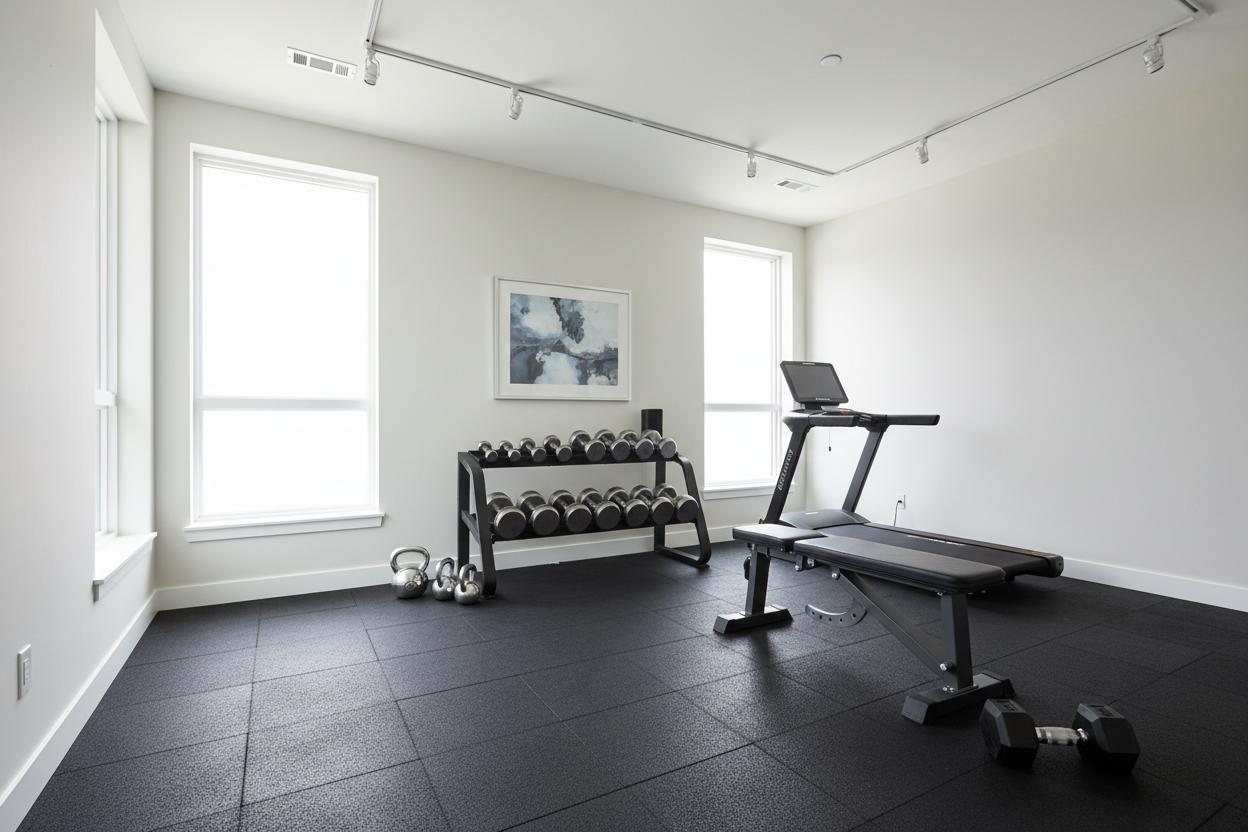
I spent a decade fighting for a squat rack at 5:30 PM before I finally cleared the junk out of my garage to build a lifting platform. The decision to exercise at home or gym isn't just about which has more shiny machines; it's about identifying the friction points that keep you on the couch. I've trained in world-class powerlifting basements and $10-a-month commercial chains, and the 'better' option is always the one where you actually show up.
- Gym Pros: Access to specialized machines, social accountability, and zero equipment maintenance.
- Home Pros: No commute, no waiting for racks, and you pick the music.
- The Reality: Home gyms require more self-discipline; commercial gyms require more time.
- The Cost: A quality home setup pays for itself in roughly 24-36 months.
The Hidden Friction of the Commercial Gym Commute
We like to pretend a 15-minute drive is nothing. It’s not just 15 minutes. It’s the time spent hunting for a gym bag, the three minutes spent finding a parking spot, and the inevitable five-minute wait for the cable crossover. By the time you actually touch a barbell, you’ve burned 45 minutes of mental energy. This is why people skip sessions. The 'gym vs home' debate often ignores this psychological tax.
When you're a busy professional, these micro-barriers stack up. If you have to choose between a 60-minute workout at home or a 90-minute ordeal at the local club, the home session wins every time because it fits into a lunch break. The commercial gym is great for variety, but if the commute feels like a second job, you’re going to quit by February.
Why Most Spare Room Setups Gather Dust (And How to Fix It)
I’ve seen too many people buy a $150 'all-in-one' bench from a big-box store and wonder why they never use it. It's because the equipment feels like a toy. If the steel is thin and the padding is stiff, your brain will find reasons to avoid it. You have to stop blaming your gear and start investing in pieces that feel professional. A rickety rack is a safety hazard and a motivation killer.
The second reason home setups fail is the lack of environmental separation. If your 'gym' is a corner of your laundry room, you're going to be thinking about chores, not your PR. You need a dedicated zone—even if it's just a 6×8 ft rubber mat in the corner of the garage—to signal to your brain that it's time to work. Treat it like a sanctuary, not a storage unit.
Comparing the Gains: Working Out at Home vs Gym Results
The biggest myth in fitness is that you need a 20,000-square-foot facility to see real hypertrophy. Gravity doesn't care about your zip code. 315 lbs on a barbell is 315 lbs whether it’s in a basement or a Gold’s Gym. Building a dedicated home gym gives you the freedom to focus on the big compound movements that actually move the needle, without some kid filming a TikTok in front of the dumbbell rack.
If you're worried about safety while training alone, modern equipment has closed the gap. A compact Smith machine station allows you to hit heavy chest presses or squats to failure without needing a spotter. You can replicate 95% of commercial gym movements with a solid rack, a functional trainer, and a set of adjustable dumbbells. The results come from the programming and the intensity, not the brand of the leg press machine.
The Brutal Math: Will a Garage Setup Actually Save You Money?
Let's look at the numbers. A mid-tier gym membership costs about $50 to $70 a month. Factor in the gas and the 'convenience' protein shakes, and you're looking at $1,000 a year. Over five years, that's $5,000. You can build a world-class garage setup for $3,000 that will last twenty years. The ROI is undeniable, but only if you buy quality the first time.
If you’re on a budget, don't buy a 20-piece circuit. Start with the essentials: a rack, a barbell, and plates. You can find budget-friendly at-home gym machines that combine multiple functions—like a lat pulldown and a low row—into one footprint. This saves cash and floor space. Buying cheap junk is the most expensive way to build a gym because you’ll end up replacing it within a year.
The Verdict: Is It Better to Exercise at Home or Gym?
If you thrive on the energy of a crowd and need the social pressure to keep your intensity high, keep your gym membership. But if you’re tired of the 'gym vs working out at home' internal monologue every morning, it's time to reclaim your time. A home setup removes every excuse. No traffic, no crowds, and no monthly bill.
Is it better to workout at home or the gym for weight loss?
Consistency is the only factor that matters for weight loss. If you find it easier to squeeze in 30 minutes in your garage than driving to a club, home is better. The calorie burn is the same; the adherence is what changes.
Can I get big with just home workouts?
Absolutely. Progressive overload is the driver of muscle growth. As long as you have enough weight to challenge yourself in the 6-12 rep range, your muscles won't know the difference between a garage and a commercial facility.
What is the biggest downside to a home gym?
The upfront cost and the lack of a 'third space.' Some people find that being at home makes it harder to switch into 'beast mode.' If you can't focus with the kids or the TV nearby, the gym might be your only escape.
Share:
Facebook Marketplace vs. Retail: How to Buy Gym Equipment Cheap
Why Most Exercise Equipment for Legs at Home Is a Waste of Space