
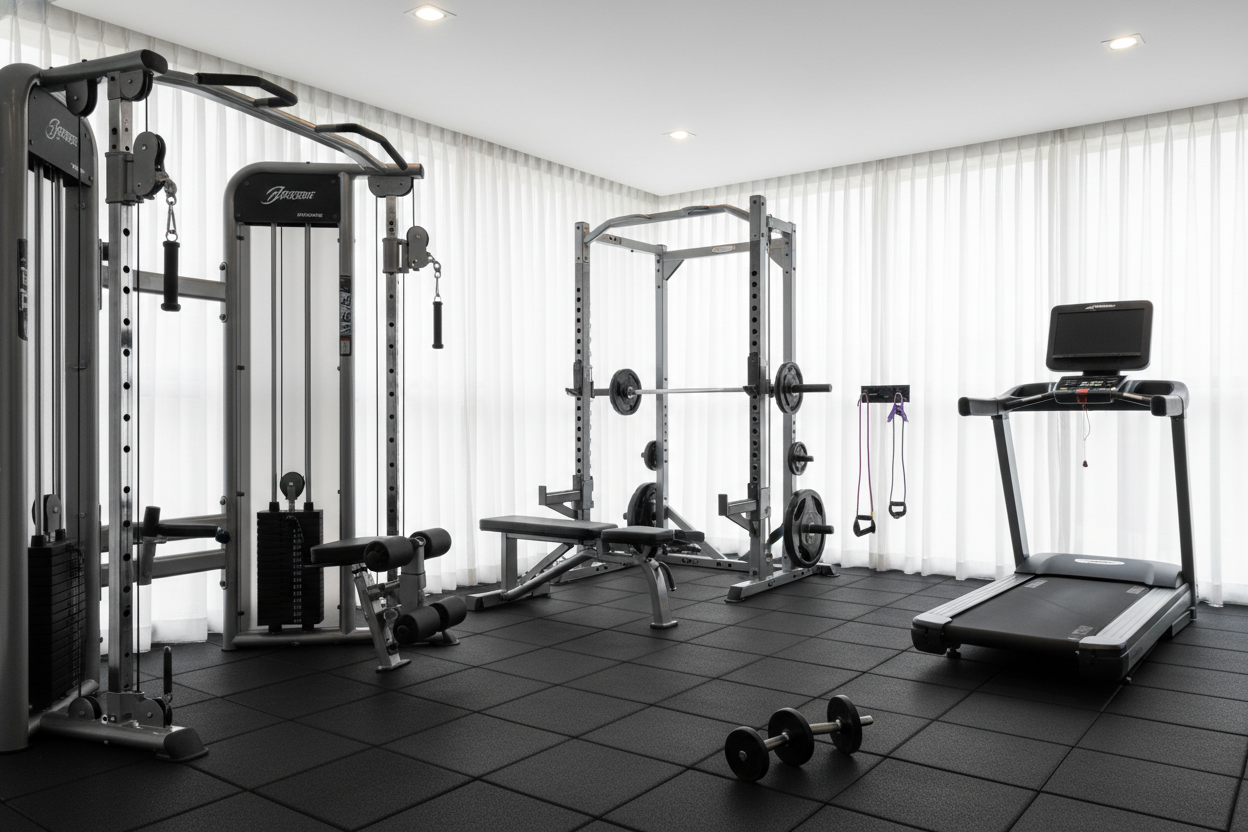
We’ve all been there. You walk into a Planet Fitness, the lights are bright, the walls are purple, and you’re staring at a row of machines that look like they require an engineering degree to operate. You don’t want to be the person standing there reading the tiny diagrams for five minutes while someone else waits. I’ve spent decades in garage gyms and commercial clubs, and I can tell you that learning how to use machines at planet fitness is actually simpler than it looks once you know the 'secret' language of the equipment.
The goal is to get in, get your pump, and get out without feeling like a tourist. Most of these machines are built by Matrix or Life Fitness. They’re designed to be user-friendly, but if you’ve never touched a selectorized stack, 'user-friendly' can still feel pretty intimidating. Don't overthink it; the machine is there to guide your path of motion so you don't have to balance a heavy barbell.
- Yellow handles and pins are the only things you need to touch to adjust the fit.
- The Smith machine bar at PF usually weighs about 15-20 lbs, not the standard 45 lbs.
- Seat height is the most important adjustment for joint safety and muscle engagement.
- Scan the QR codes on the machines for a quick video tutorial if you’re truly stuck.
Look for the Yellow: The Universal Rule of PF Adjustments
If you take nothing else away from this, remember this: look for the yellow. On almost every piece of selectorized equipment at Planet Fitness, the adjustment points are bright yellow. This is an industry standard. If a handle, knob, or pin is yellow, it’s meant to be pulled, pushed, or twisted to fit your body size.
Before you sit down, give those yellow pins a tug. They control the seat height, the range of motion, and the weight stack itself. Don't just hop on and start cranking reps. If the seat is too low or too high, you’re going to feel it in your joints rather than your muscles. A quick adjustment takes three seconds and saves you a week of shoulder impingement. If you can't reach the pedals or the handles feel like they're behind your ears, find the yellow knob and move the seat.
How to Set Up the Smith Machine Without Looking Dumb
Since Planet Fitness doesn't have traditional squat racks or deadlift platforms, the Smith machine is your best friend for heavy lifting. It’s a barbell on a fixed track. To unlock it, you lift the bar and rotate your wrists. It feels different than a traditional Smith machine you might find in a hardcore powerlifting gym because the tracks at PF are often angled slightly or use a counter-balance system that makes the bar feel lighter than a standard 45-lb Olympic bar.
Always set the safety catches—the big metal stops at the bottom of the rails—before you start. If you’re squatting and your legs give out, those catches stop the bar from pinning you to the floor. For foot placement, don't keep your heels directly under the bar like a free-weight squat; step out a few inches so you can sit back into your hips without your knees shooting past your toes. It feels weird at first, but the fixed track requires that slight forward foot position.
Navigating the Leg Press and Lower Body Lineup
The leg press is the most popular machine in the building. Most PF locations have a seated version where the weight moves, or a sled version where you push the platform away. Adjust the seat so your knees are bent at about 90 degrees to start. If your butt starts to lift off the pad at the bottom of the movement, you’ve gone too deep or the seat is too far forward.
If you're used to a leg press hack squat combo in a home gym, you'll notice the PF versions are much bulkier. They’re built for high-volume traffic. If you’re looking for a dedicated hip thrust machine and your location doesn't have one, you can use the Smith machine or the lying leg curl machine as a workaround. Just be sure to grab a foam pad for the bar so you don't bruise your hip bones.
Upper Body Basics: Chest Press and Lat Pulldowns
For the chest press, the 'golden rule' is seat height. Adjust the seat so the handles are level with your mid-chest. If the handles are up by your shoulders, you’re begging for a rotator cuff injury. Keep your shoulder blades pinned back against the pad and drive through your palms. It’s a simple movement, but most people mess it up by letting their shoulders roll forward at the end of the rep.
On the lat pulldown, look at the thigh pads. Those are there to keep you from flying into the air when you pull heavy weight. Adjust them so your knees are locked down tight. When you pull the bar, think about bringing your elbows to your hips, not pulling the bar to your stomach. You only need to bring the bar down to about chin height to get the full benefit for your back.
What About the Oddball Cardio Gear?
Beyond the endless rows of treadmills, you’ll usually find a few water rowers. These are fantastic for a full-body burn, but most people use them wrong. It’s 60% legs, 30% core, and only 10% arms. If you want to know more about the specific rowing machine Planet Fitness keeps on the floor, check out our deeper breakdown on those water-resistance units.
The key with the rower is the sequence: legs, then back, then arms on the pull. Then reverse it on the way back in: arms, back, then legs. Don't rush the return; the recovery is just as important as the pull. Keep the resistance setting (if adjustable) in the middle range—cranking it to the max usually just ruins your form before you get a good workout in.
My Personal Take: The Ego Trap
I’ve been lifting for twenty years and I still occasionally mess up a machine adjustment. Last year, I sat down on a shoulder press machine at a PF while traveling, didn't check the pin, and tried to press a stack that was way too heavy for a cold start. I nearly pulled a muscle because I was too lazy to look at the weight stack. It happens to everyone. The most 'pro' thing you can do is take five seconds to check your settings before you move an inch of weight. Don't worry about the person waiting; they'd rather wait five seconds than watch you injure yourself.
FAQ
How do I know how much weight to start with?
Start much lighter than you think. Pick a weight you can do for 12-15 reps with perfect form. If it’s too easy, move the yellow pin down one slot for the next set. There’s no prize for guessing right on the first try, and your joints will thank you for the warm-up.
Are the diagrams on the machines actually helpful?
Mostly, yes. They show the start and finish positions and highlight which muscles you’re working in red. Use them as a baseline, but listen to your body first. If the diagram says one thing but your elbow feels a sharp pinch, adjust the seat or the handle position.
Do I need to wipe down the machines?
Yes. Every single time. Planet Fitness is big on gym etiquette. Grab a spray bottle and a paper towel before you start your circuit and wipe the pads down when you’re finished. It keeps the equipment from degrading and keeps the staff off your back.
Share:
The Exact Planet Fitness Machine Workout I Give to Beginners
The 1-Inch Trap Hidden in Your New Bench With Weights