
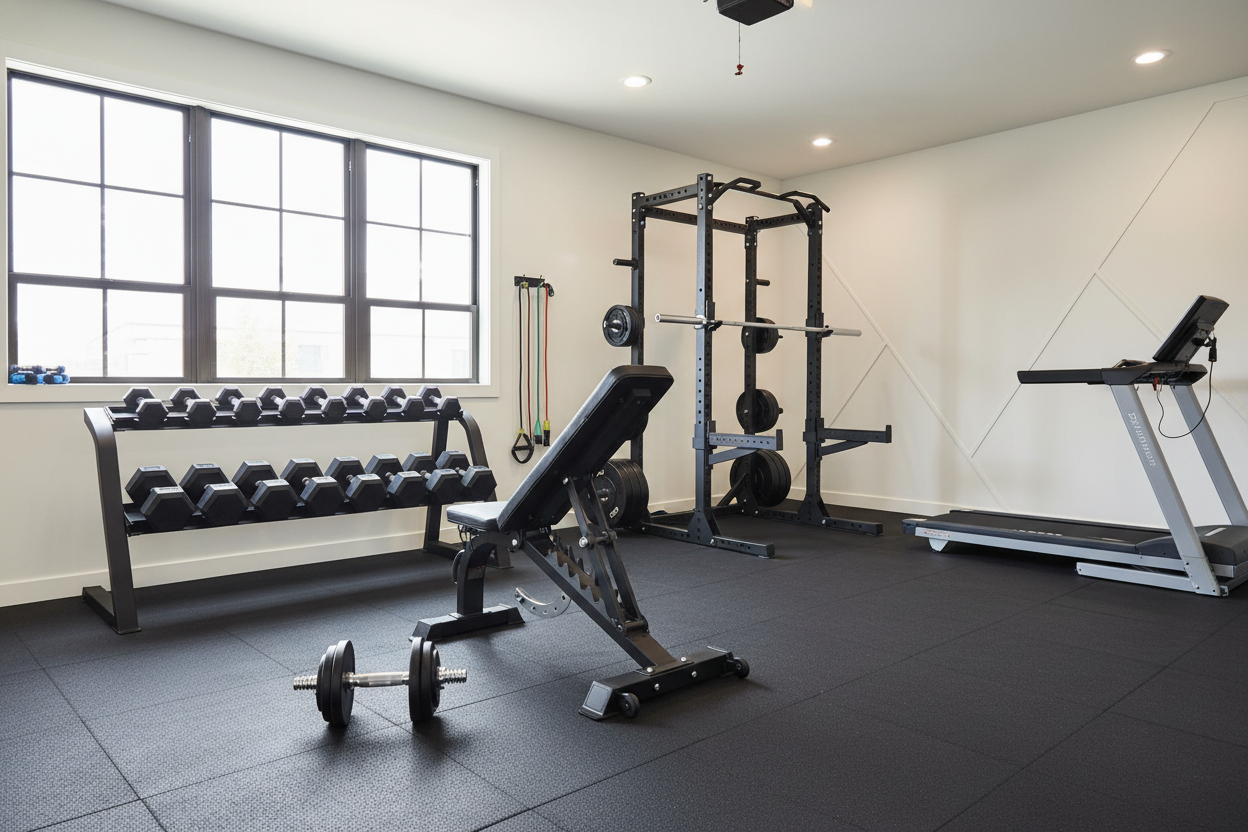
I remember staring at a $2,500 functional trainer in a showroom, convinced it was the only way to get a 'complete' workout. Then I looked at my 12x12 garage and my bank account. I realized that mastering adjustable bench exercises was more about geometry and stability than fancy pulleys and stacks of iron. You don't need a massive footprint to get a massive pump.
Quick Takeaways
- Adjustable angles allow for better muscle isolation than a flat surface.
- Chest-supported movements are the secret to heavy volume without lower back fatigue.
- Your bench is a legitimate leg training tool, not just a chest station.
- Hardware quality determines safety—never do step-ups on a wobbly bench.
You Are Probably Wasting Your Bench
Most home gym owners use their bench for two things: flat bench press and the occasional 45-degree incline press. That is a massive waste of potential. When you treat your bench as a stability platform rather than just a place to lie down, it becomes a multi-functional tool that mimics high-end machines. Upgrading to a versatile Weight Bench is the single best investment for a small space because it allows you to manipulate your body's relationship with gravity.
The back pad isn't just for resting; it's for bracing. By using the bench to fix your torso in place, you eliminate the momentum that usually ruins your gains. You can turn a standard dumbbell row into a surgical strike on your lats just by changing how you lean against the pad.
The Upper Body Builders: Rowing and Pressing
If your lower back is constantly screaming after 'back day,' you need chest-supported rows. Set your bench to a 30-degree incline, lie face down, and row. You'll realize how much you were cheating when you can't use your hips to move the weight. For bulletproof shoulders, try prone Y-raises on the same incline. It hits the lower traps and rear delts in a way that standing movements never will.
When it comes to pressing, the adjustable seat is your best friend. For those who want to isolate the chest without the instability of dumbbells, the Weight Bench Chest Press Machine Independent Arms Z1 Pro is a specialized alternative that provides that machine-like feel. If you are sticking to the bench, use a high-incline (75-80 degrees) for seated overhead presses. It prevents you from hyperextending your lumbar spine, which is the number one mistake I see in home gyms.
Yes, You Can Actually Train Legs on a Bench
I used to think I needed a leg press until I started doing Bulgarian split squats with my rear foot elevated on the bench pad. It is a brutal movement that builds serious quad and glute strength. The pad provides way more comfort than a metal rack or a wooden box. High box step-ups are another staple; just make sure you're driving through the heel of the foot on the bench.
A common debate among lifters is Is a Leg Press Weight Bench Actually Worth the Space? and for most garage dwellers, the answer is no. You can get 90% of the results using bodyweight or dumbbell leg exercises on a standard bench without sacrificing 15 square feet of floor space. Use the bench for hip thrusts to target the glutes, and you've got a complete lower body day.
Core Work That Doesn't Involve Crunches
Stop doing floor crunches. If your bench has a decline setting, use it. Decline Russian twists and leg raises are significantly more effective because of the increased range of motion. By securing your feet at the top and lowering your torso into a decline, you're forcing your core to stabilize against a much harsher angle. It’s about building a trunk that can actually support a heavy squat, not just looking good at the beach.
Why Flimsy Hardware Will Ruin Your Workout
I’ve learned the hard way that a cheap bench is a liability. I once bought a $90 'pro' bench that wobbled every time I tried a step-up. It’s not just annoying; it’s dangerous when you have 50-lb dumbbells in your hands. You need a frame that doesn't creak under load. The Adjustable Weight Bench Owb01 is a prime example of the stable, heavy-duty frame required for heavy supported rows and explosive movements. Look for 11-gauge steel and a wide footprint.
Putting It All Together: The One-Bench Routine
This is a sample full body weight bench workout that I run when I'm short on time but want maximum intensity. Perform this as a circuit or straight sets:
- Chest-Supported Dumbbell Rows: 3 sets of 10-12
- Incline Dumbbell Press (30 degrees): 3 sets of 8-10
- Bulgarian Split Squats: 3 sets of 12 per leg
- Seated Overhead Press (75 degrees): 3 sets of 10
- Decline Leg Raises: 3 sets to failure
My Honest Experience
Two years ago, I bought a bench with a massive gap between the seat and the back pad. Every time I did a flat press, my tailbone would sink into the hole. It was infuriating. I eventually sold it for half what I paid and bought a bench with a tighter tolerance. Don't ignore the 'small' specs like the pad gap or the vinyl texture—if you're sliding around during a heavy set, you're not getting stronger, you're just trying not to die.
FAQ
Can I do a full body workout with just a bench and dumbbells?
Absolutely. Between chest-supported rows, split squats, and various pressing angles, you can hit every major muscle group effectively without any other equipment.
What is the best angle for incline bench press?
Most people find 30 degrees is the sweet spot for hitting the upper pecs without letting the front delts take over the entire movement.
Is a decline bench necessary?
It’s not 'necessary,' but it’s the best way to add difficulty to core movements and hit the lower portion of the chest without needing a dip station.
Share:
Is the Best Smart Home Gym Worth the Monthly Fee?
Why Your Planet Fitness Exercise Routines for Weight Loss Aren't Working