
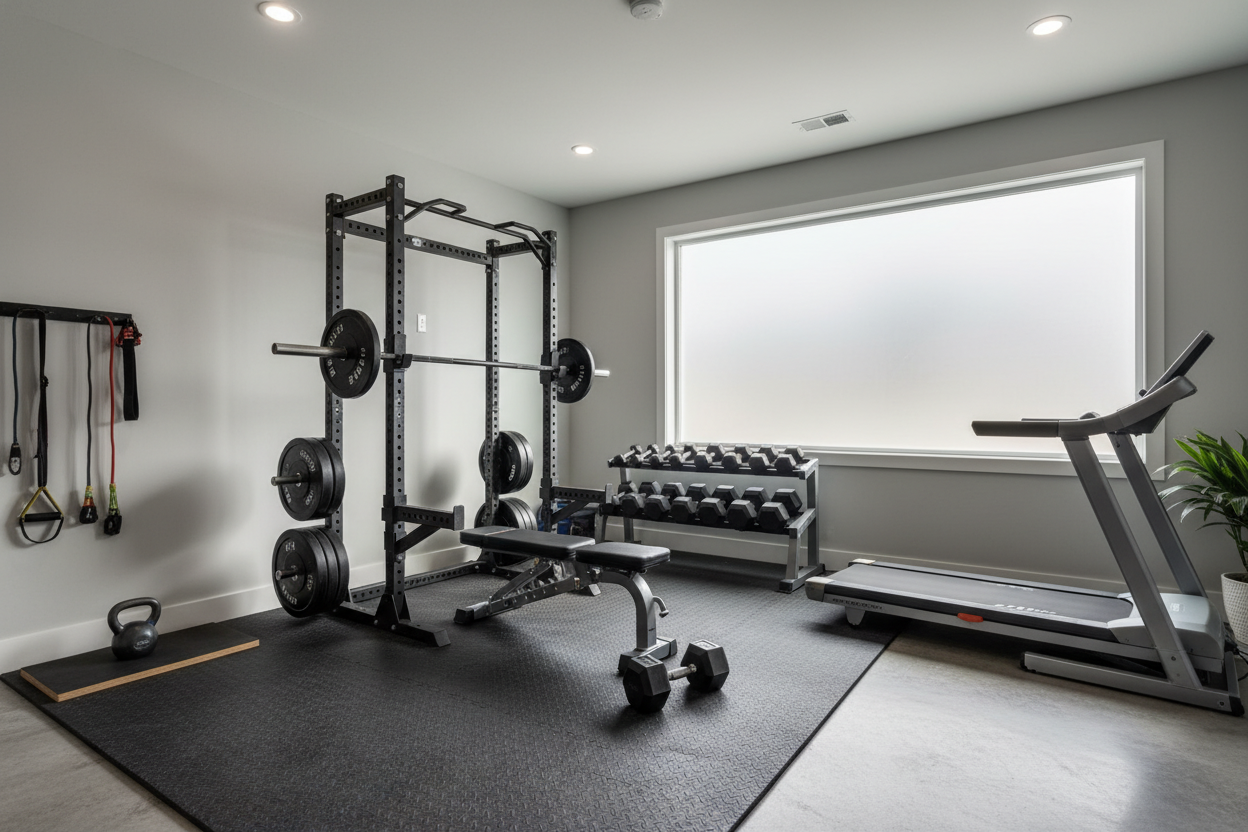
I remember the night clearly. Three protein shakes deep, scrolling through a social media feed at 1 AM, I saw it: a 'limited-edition' cable crossover for a price that seemed too good to be true. I’d been searching for where to buy gym equipments that wouldn't bankrupt me, and this looked like the holy grail. I clicked 'buy,' ignored the lack of a physical address on their site, and waited. Three months later, a tattered box arrived with steel so thin I could have dented it with a heavy sneeze.
- Never buy from a site that doesn't list a physical warehouse address.
- If the shipping weight isn't listed, the steel is likely 14-gauge or thinner (trash).
- Real brands offer structural warranties that last longer than 90 days.
- Amazon is great for accessories, but terrible for heavy-duty racks.
I Trusted a Random Social Media Ad (And Lost $600)
That $600 functional trainer was my tuition in the school of hard knocks. The marketing images showed a guy who looked like a pro bodybuilder crushing heavy reps. When the crate finally landed in my driveway, the 'commercial grade' steel felt like it was made from recycled soda cans. The pulleys were plastic, the cables were fraying out of the box, and the instructions were a single page of blurry diagrams. I tried to contact support, but the email address bounced. The website had vanished into the digital ether.
This is the reality of the modern fitness market. Many sites are just front-end skins for dropshippers who have never touched a barbell in their lives. They buy cheap, unbranded junk from overseas, mark it up 300%, and pray you don't realize it's garbage until the 30-day return window closes. I spent two weekends trying to reinforce that machine with extra bolts and wood blocks before finally dragging it to the scrap yard. It was a dangerous, wobbly mess that would have pinned me if I’d tried to max out. Since then, I’ve become obsessive about verifying every manufacturer before I even think about entering my credit card info.
The 3 Red Flags of Shady Online Gym Equipments Stores
Spotting a fake retailer isn't always easy, but there are patterns. First, look for the 'About Us' page. If it's filled with generic fluff about 'your fitness journey' but doesn't list a real headquarters or a phone number, run. Legitimate sellers of online gym equipments want you to know they have a warehouse in Ohio or a showroom in California. If they’re hiding their location, it’s because they don’t want you sending a 500-lb freight shipment back to their house.
Second, check the reviews for 'suspicious uniformity.' If a site has 500 reviews and every single one is five stars with a one-sentence comment like 'Great product, fast shipping,' they are bought and paid for. Real gym rats complain about the knurling being too sharp or the powder coat having a tiny chip. Third, look at the technical specs. If they don't list the steel gauge or the footprint dimensions, they are hiding something. They know that how to pick a gym machine for upper body that doesnt feel cheap starts with checking for 11-gauge steel, so they simply omit that info to trick beginners.
How to Hunt Down Exercises Machines for Sale Without Getting Fleeced
When you start looking for exercises machines for sale, you have two real paths: the Amazon 'Wild West' or Direct-to-Consumer (DTC) brands. Amazon is fine for a jump rope or a chalk bag, but buying a power rack there is a gamble. You'll often find brands with names that look like a cat walked across a keyboard—names like 'ZXY-FIT' or 'GYMPRO-X.' These are white-labeled products with zero long-term support. If a pulley snaps in two years, good luck finding a replacement part.
The better move is going straight to the source. DTC brands like Rogue, Rep, or Bells of Steel actually design their own gear. They have engineers, not just marketers. A massive Smith machine home gym station is a serious piece of engineering that needs to handle hundreds of pounds of moving iron. Buying this from a verified brand means you get a real manual, a customer service line that actually picks up, and a product that won't collapse during a heavy squat. Yes, you might pay more for shipping, but freight shipping is expensive because the gear is actually heavy—and in the gym world, heavy is a good thing.
My Uncensored Shortlist for Gym Machine Online Shopping
If you're ready to start your gym machine online shopping, I have a few rules. For racks and bars, I only buy from companies that have been around for at least five years. You want a brand that has survived a few product cycles. I'm not just blowing smoke; I built 4 rigs to find the best Smith machine for a garage gym just to see which manufacturers were cutting corners on weld quality. The difference between a $400 rack and a $900 rack is usually the difference between 2x2 14-gauge steel and 3x3 11-gauge steel. One is a toy; the other is a lifetime investment.
When you gym machine buy online, especially specialty gear, look for niche experts. If you're looking for a hip thrust machine glute muscles building ht01, you want a manufacturer that understands biomechanics. You don't want a generic factory in Ningbo guessing at the pivot points. I’ve found that the best gear comes from people who actually lift. Look for videos of the owners using their own equipment. If the CEO of the company can't pull a 405-lb deadlift on their own bar, why should you trust it? Stick to brands that sponsor local meets or have a presence in the lifting community. That’s where the real quality hides.
Why I Refuse to Gym Equipment Buy Online Without This One Guarantee
I have one non-negotiable rule before I gym equipment buy online: the structural warranty must be at least 10 years. If a company won't stand by their welds for a decade, they don't believe in their product. I don't care about the 'limited lifetime' marketing speak—read the fine print. Does it cover the frame? Does it cover the pulleys? If the warranty is only 90 days, you aren't buying a gym machine; you're buying a temporary decoration for your garage.
Domestic customer service is the other half of that coin. I once had a bolt missing from a leg extension machine. I called the company, and a guy in Colorado answered the phone, apologized, and overnighted the part. That’s the level of service you need when you're building a home gym. You are spending thousands of dollars to create a space where you can push your physical limits. Don't let a $50 'deal' on a shady website ruin your training for the next six months. Buy once, cry once, and make sure what you buy is built to outlast you.
Is 14-gauge steel okay for a home rack?
Only if you never plan on lifting more than 200 pounds. For anyone serious about strength, 11-gauge steel is the standard. It’s thicker, more stable, and won't flex when you re-rack a heavy bar.
How much should I expect to pay for shipping?
For heavy machines, expect $150 to $300 for freight. If a site offers 'free shipping' on a 400-lb machine, the shipping cost is already baked into a likely inflated price, or the machine is much lighter (and flimsier) than it looks.
Should I buy used equipment instead?
Used gear is great if it’s a reputable brand. A 10-year-old Rogue rack is still better than a brand-new dropshipped rack from a random social media ad. Just check for rust and cracked welds before handing over the cash.
Share:
You Don't Need $5K: Building the Best Home Gym Under $1000
The Real Reason People List Used Ab Machines for Sale