
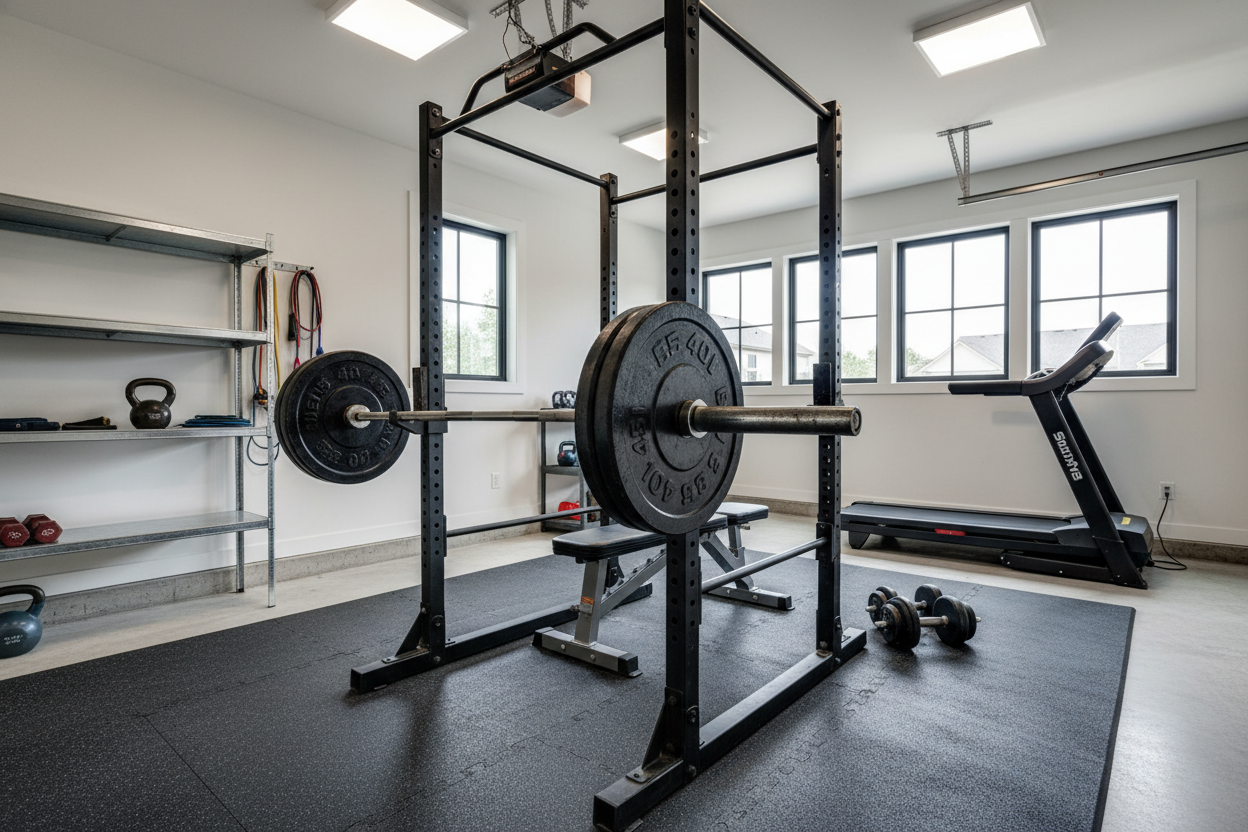
I remember scrolling through Facebook Marketplace at 11 PM, eyes bleary, trying to find a deal that did not involve driving three hours for a rusted pile of scrap iron. The dream of snagging an olympic weight set used for pennies on the dollar is what builds most garage gyms, but it is a total minefield out there. If you are not careful, you end up with plates that are wildly inaccurate or a bar that is permanently bent into a bow.
- Check the tolerances: Bring a barbell to ensure the plates actually fit a 2-inch sleeve.
- The Ring Test: Tap the iron; a dull thud means there is a hidden crack.
- Rust vs. Pitting: Surface rust is fine, but deep pitting is a structural red flag.
- Price Point: Aim for $0.70 to $1.00 per pound for standard cast iron.
The Lure of the Second-Hand Iron Market
The wild west of Craigslist and Marketplace has changed. A few years ago, people were trying to sell rusted CAP plates for $3 a pound like they were made of solid gold. Thankfully, those days are mostly gone. Now, finding a used olympic weight set for sale is actually viable again, provided you know how to filter through the noise.
You are looking for the guy who bought a full setup for a New Year's resolution and now needs his garage space back for a lawnmower. That is where the value lives. But do not get blinded by a low price tag. If the gear has been sitting in a damp shed for three years, you are buying a project, not just a workout tool.
Surface Rust vs. Structural Cancer
When you are looking at second hand olympic weights, you need to distinguish between 'ugly' and 'dangerous.' Surface rust is just an aesthetic hurdle. It looks like orange fuzz or light sandpaper. You can kill that in a weekend with a tub of white vinegar and a stiff wire brush.
Structural cancer is different. If you see deep pitting—actual craters in the metal—or if the iron is flaking off in layers like a croissant, walk away. That plate no longer weighs what the stamp says it does, and it is prone to cracking when dropped. I have seen 'bargain' plates literally crumble after a heavy deadlift session because the core was compromised.
The 'Ring Test' for Hidden Cracks
This is my favorite field test. Pick up a plate by the rim and tap it with a metal wrench or a screwdriver. A solid, high-quality cast iron plate will produce a clear, sustaining 'ping' or ring. It sounds like a bell.
If you tap it and hear a dull, flat 'thud,' that is a massive warning sign. A thud usually indicates a hairline crack somewhere in the casting that you cannot see with the naked eye. Once that plate hits the floor under load, that crack will expand, and you will be left with two very expensive doorstops.
Beware the 'Fresh Coat of Spray Paint' Trick
Be incredibly skeptical of a seller who says they 'restored' the plates. Often, this is just a 'landlord special' where they sprayed black Rust-Oleum directly over loose rust and dirt to flip them quickly. It looks great in the low-res Marketplace photo, but it will start peeling the moment you slide it onto a bar.
Check the center holes and the raised lettering. If the paint is thick and gummy, they are hiding something. It is the easiest way to tell if an olympic weight set with bar is total junk. If they did not take the time to wire-wheel the rust off before painting, they definitely did not take care of the equipment while they were using it.
Why You Should Always Bring Your Own Barbell
I always keep a beater bar in my truck when I go to look at used olympic weight plates. Why? Because cheap, second-hand plates often have terrible casting tolerances. I have seen plates with center holes that were 1.95 inches instead of the standard 2 inches. They literally will not fit on a quality barbell.
There is nothing worse than getting home and realizing your 'steal' of a deal requires a metal file and four hours of manual labor to make the plates usable. You need to verify the fit, especially when buying an olympic weight bar set from a budget brand. If it does not slide on smoothly, leave it on the driveway.
How Much Should You Actually Pay Per Pound?
Stop overpaying for used iron. For standard, no-name cast iron plates, you should be aiming for $0.75 per pound. If they are in pristine condition or a reputable brand like Rogue, York, or Ivanko, $1.00 per pound is fair. Anything over that, and you are getting into 'might as well buy new' territory.
Machined plates—the ones with the flat backs that are accurate to within a few grams—command a premium. But for the average garage gym athlete, standard iron is fine. Just remember to factor in the cost of gas and the time you will spend cleaning them. If the seller wants $1.20 a lb for rusty gear, show them a retail listing and offer less.
When It Makes Sense to Just Buy New
There is a crossover point where the used market becomes a bad deal. If you have to spend $40 on vinegar and wire wheels, $30 on gas, and five hours of your Saturday scrubbing iron, that 'deal' just cost you a lot more than you think. Sometimes, the peace of mind of a warranty and a guaranteed weight accuracy is worth the extra cash.
If the local market is dry or prices are inflated, just grab a fresh set of weight plates from a reputable dealer. You get iron that is actually round, holes that actually fit your bar, and you do not have to worry about someone else's sweat and shed-grime becoming a permanent part of your home gym environment.
My Personal Lesson in Used Iron
I once bought a set of 'vintage' deep dish plates that looked incredible. I didn't bring a scale. When I got them home, one '45' weighed 41.2 lbs and the other weighed 47.8 lbs. My squat felt lopsided for a month before I figured out why. Now, I never buy used without a luggage scale in my pocket. Accuracy matters more than a cool patina.
Used Gear FAQ
Are used bumper plates a good idea?
Generally, no. Bumpers degrade over time, the internal steel rings can come loose, and they can develop a 'taco' warp if stored poorly. Stick to used iron; buy bumpers new.
How do I remove heavy rust?
Soak them in a 50/50 mix of white vinegar and water for 24 hours. Scrub with a wire brush, dry them immediately, and apply a light coat of 3-in-1 oil or spray paint to prevent flash rusting.
Can I fix a bent used barbell?
No. If the bar has a permanent oscillation or a visible bend, it is scrap metal. It is dangerous to lift with a bent bar as it will want to rotate in your hands during the lift.
Share:
Stop Buying Specialty Steel: You Just Need a Multi Purpose Bar
Stop Buying Cement-Filled Junk: The Truth About Cheap Weight Sets