
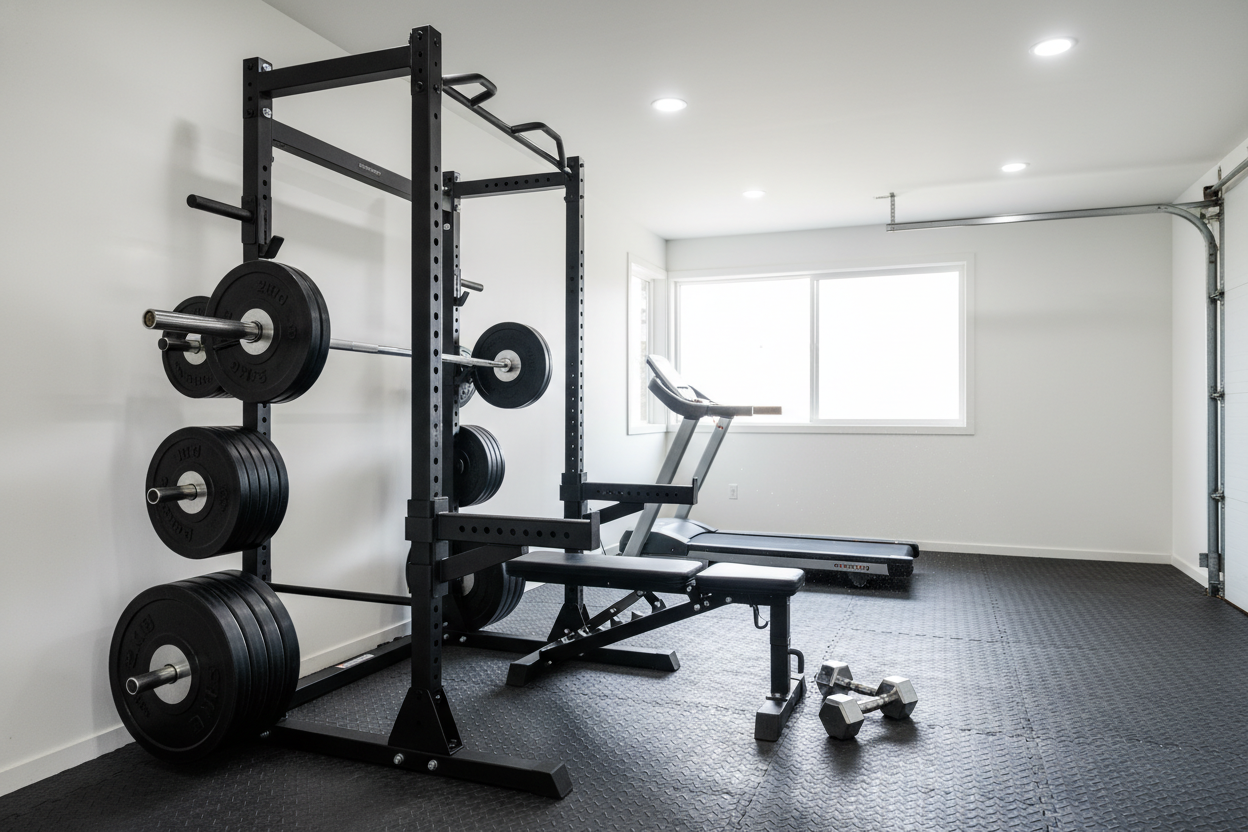
I remember the day I finally quit my local commercial gym. The fees kept climbing, and the wait for the only decent power rack was getting ridiculous. I decided to build my own space, but I almost blew my budget on a olympic weight bar set that would have been trash within six months. When you are buying for yourself, you cannot afford to buy twice.
Most people see a generic 300-lb bundle online and think they are set for life. They are not. If you are serious about getting stronger, you need to look past the shiny finish and check the metallurgy. A bad bar is a safety hazard, and bad plates are just expensive paperweights that rattle every time you move.
Quick Takeaways
- Never buy a bar with a tensile strength below 160,000 PSI if you plan on deadlifting.
- Avoid 'decorative' chrome finishes that flake off into your hands after three months.
- Cast iron plates are louder and have wider weight tolerances than machined plates.
- Ensure the bar has a standard 28mm to 29mm diameter; anything thicker feels like a fat bar and kills your grip.
The Big-Box Starter Bundle Trap
We have all seen them: the 'all-in-one' kits at the local sporting goods store. They usually come with a 45-lb bar and 255 lbs of plates for a price that seems too good to be true. It is. Most of these bundles use a cheap olympic bar and weights set as a loss leader. The bars are often made of low-grade 'mystery steel' that starts to permanently bend (permanent set) once you put 300 lbs on it.
A real barbell set olympic lifters use needs to be rated for at least 700 lbs, even if you are not lifting that much yet. Why? Because dynamic loads—the force of you dropping a bar or catching a clean—put way more stress on the steel than static weight. Cheap bars also use bolt-on sleeves that eventually wiggle and fall off. You want a bar with snap-rings or heavy-duty construction that can survive a decade of abuse.
The Bar Itself: Bushings, Bearings, and Tensile Strength
The bar is the most important part of the package. I look for a minimum of 190,000 PSI tensile strength. This is the sweet spot where the steel is strong enough not to snap but has enough 'whip' or flex to feel alive during a lift. If a manufacturer does not list the PSI, walk away. They are hiding something.
Then there is the spin. If you are doing cleans or snatches, you need sleeves that rotate smoothly so the weight does not torque your wrists. A high-quality 20kg olympic barbell usually uses bronze bushings for a reliable, consistent spin. Bearings spin faster, which is great for Olympic lifting, but for a general-purpose garage gym, bushings are lower maintenance and last longer.
Iron vs. Bumper Plates: Don't Mess This Up
Choosing your plates is where most people get stuck. If you are training in a garage with bare concrete, you need bumpers. Period. If you drop iron on concrete, you will crack the floor, the plates, or both. However, be careful with a budget solid olympic barbell and cheap bumper set. Low-end bumpers are often made of recycled crumb rubber that smells like a tire fire and has a massive 'bounce' that can send the bar flying into your drywall.
If you prefer the old-school clang, go with cast iron. Just know that cheap iron plates can be off by as much as 5-10% in weight. I have seen '45-lb' plates that actually weighed 41 lbs. That makes tracking your progress impossible. If you are going iron, look for machined plates where the back is flat and the weight is accurate to within a few ounces.
You Still Need a Place to Rack It
You can have the best olympic weight bar set in the world, but it is useless if you are cleaning it off the floor for every set of bench presses. Safety is the one area where you cannot cut corners. If you are training alone in a garage, you need a rack or a stand with reliable spotting arms.
I usually recommend a versatile weight bench with barbell rack for those starting out. It gives you a stable base for heavy pressing and usually includes some accessory options like leg extensions. Just make sure the uprights are wide enough to accommodate a full-size 7-foot Olympic bar. There is nothing worse than realizing your bar's sleeves hit the rack before the plates do.
My Personal Lesson in Cheap Steel
Five years ago, I bought a 'budget' 1000-lb rated bar from a random Amazon seller. Three months in, I was doing heavy rack pulls. I dropped about 405 lbs from just above the knees onto the pins. The bar didn't snap, but it developed a permanent 2-degree bend. Every time I tried to bench with it after that, the bar would try to rotate in my hands to find its 'center.' It was dangerous and annoying. I ended up spending the money on a quality bar anyway, meaning that 'cheap' bar actually cost me an extra $200 in the long run.
Olympic Weight Set FAQ
What is the difference between a standard and Olympic bar?
Standard bars have 1-inch ends and are usually rated for very low weight. Olympic bars have 2-inch sleeves, are significantly stronger, and fit the standard plates you see in every serious gym. Do not waste money on 1-inch equipment.
Do I need a center knurl?
If you squat heavy, center knurling helps the bar 'stick' to your back so it doesn't slide. If you mostly do power cleans or high-rep cross-training, skip the center knurl—it will just scrape your chest and neck raw.
How do I stop my plates from rattling?
Rattling usually happens when the hole in the plate is significantly larger than the bar sleeve. Higher-end 'precision' plates have a tighter tolerance (usually around 50.4mm). If you already have loose plates, using heavy-duty spring collars or lock-jaw collars can help squeeze them together and dampen the noise.
Share:
Please Don't Buy That Toy Weight Bench for Teenager Workouts
My Search for the Best Foldable Exercise Bench That Won't Snap