
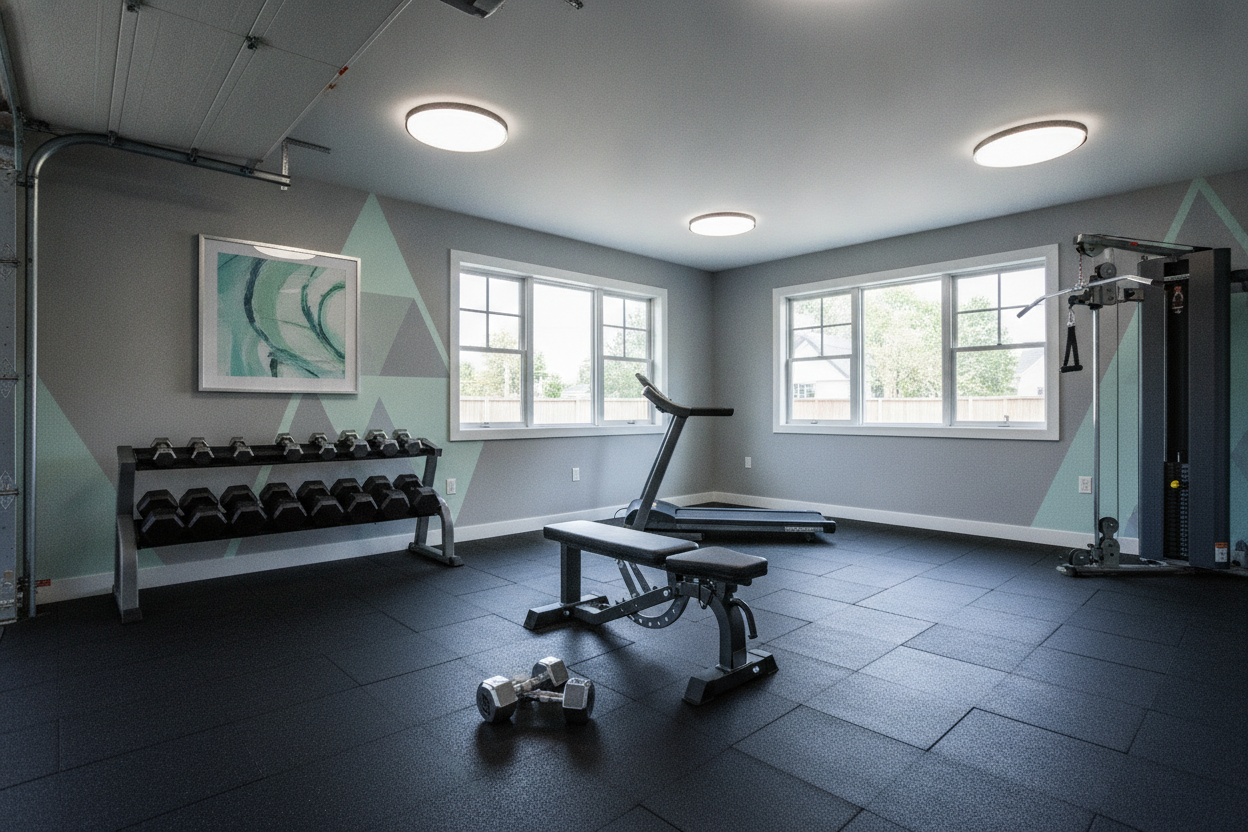
I remember the first time I set up a 'beginner' bench in my basement. It was a flimsy, narrow piece of junk that felt like it was going to fold every time I uncradled the bar. I bought it because it was cheap and I was young, but looking back, I was lucky I didn't end up with a face full of iron.
If you're looking for a weight bench for teenager workouts, you're probably seeing those same $50 plastic-coated sets online. Stop right there. Buying a 'toy' bench is the fastest way to kill a kid's interest in lifting—or worse, get them hurt. You need something that scales with them, not something they'll break before they even hit their first growth spurt.
- Avoid 'junior' sets; they lack the stability for real progress.
- Look for a pad height of 17 inches or less to allow for proper foot drive.
- Steel gauge matters—aim for at least 14-gauge steel for safety.
- An adjustable bench offers more variety for growing athletes.
The 'Starter Set' Trap Every Parent Falls Into
It’s tempting to grab that narrow, wobbly bench at the big-box store. You figure they’re just starting out, so they don’t need the heavy-duty stuff. The problem is that lightweight gear is actually more dangerous. When a bench is too light, it shifts during a set. If your teen is trying to learn proper form, a shifting base is a recipe for a shoulder injury.
A lot of what’s marketed to beginners isn’t even designed for strength training. A workout bench isn't a real bench for weight lifting if it’s made of thin plastic or light aluminum. Real lifting requires a frame that stays planted when you’re grinding out that last rep. If you can pick the bench up with one hand, it’s probably not sturdy enough to support a human plus a barbell.
Why Sizing Matters More Than You Think
Most commercial benches are built for 200-pound men. For a 14-year-old or a smaller adult, those dimensions are a nightmare. If the bench is 20 inches high, their feet won't touch the floor. Without feet on the floor, they can't create 'leg drive,' which is essential for protecting the lower back during a heavy press. It’s hard to build confidence when your foundation is literally dangling in the air.
Pad width is the other silent killer. A 12-inch wide pad is standard, but for someone with narrower shoulders, it can actually impede movement. You want a pad that supports the shoulder blades without digging into the armpits. Look for a bench that sits lower to the ground—around 16.5 to 17.5 inches—so they can actually plant their heels and drive their power from the floor up.
The Overlap Between Teen and Female Lifters
Here’s a pro tip: the same specs that make a great weight bench for women also make it perfect for teenagers. Smaller frames generally benefit from a slightly narrower pad and a lower height-to-floor ratio. If you're building a family gym, finding a high-quality women's workout bench ensures that both your teenager and your spouse have a stable, ergonomically correct platform.
Instead of buying two separate pieces of junk, invest in one solid mid-sized bench. It saves space in the garage and ensures everyone is lifting on a surface that won't tip over when they try to sit down with dumbbells. It’s about buying once and crying once, rather than replacing a bent frame in six months.
3 Specs to Look For So They Don't Outgrow It in 6 Months
Don't look at the 'user weight capacity.' Look at the 'total weight capacity.' A bench rated for 300 lbs sounds like a lot until you realize that’s a 150-lb kid plus 150 lbs of iron. They’ll hit that in a year. You want a frame rated for at least 500-600 lbs to ensure the welds aren't under constant stress every time they drop a weight.
Next, check the pad density. Cheap foam bottoms out immediately, leaving your spine pressing against a hard plywood board. You want high-density recycled foam that feels firm. Finally, get an adjustable model. Flat benches are great, but an Adjustable Weight Bench Owb01 allows for incline and decline work, which is vital for building a well-rounded physique as they progress from 15-pound dumbbells to heavy barbell presses.
Building a Safe, Shared Household Gym
Setting up a shared space means being smart with your footprint. I’ve seen people cram a full power rack into a tiny bedroom, and it becomes a clothes hanger within a month. A versatile bench is the centerpiece. If you browse a solid Weight Bench collection, you'll see that modern designs often include wheels and handles for easy storage.
Teach your teen to respect the equipment from day one. That means wiping down the pad and checking the bolts once a month. A shared gym works best when the gear is reliable enough for a heavy afternoon session but light enough to move out of the way for morning yoga. Stability doesn't have to mean a 200-pound immovable object.
What to Do When They Actually Get Strong
Eventually, that teenager is going to start moving real weight. When they transition from 20-lb dumbbells to 135-lb barbell presses, safety becomes the only thing that matters. If they’re training alone in the garage, a traditional barbell bench press can be risky without a spotter or safety arms.
At that stage, I often recommend looking at a Weight Bench Chest Press Machine Independent Arms Z1 Pro. It provides the same stimulus as a free-weight bench but with a fixed path that prevents the weight from crashing down on them if they hit failure. It’s a smart bridge for a teenager who has outgrown the basics but isn't ready for unsupervised heavy triples.
Personal Experience: The Bolt That Snapped
Years ago, I bought a 'budget' bench for my guest room. I was doing simple seated curls with 35s when I heard a distinct crack. One of the main support bolts had sheared because it was made of cheap, soft grade-2 steel. I didn't get hurt, but it taught me a lesson: never trust your spine to a company that cuts corners on hardware. Spend the extra $50 for the better steel; your medical deductible is way more expensive than a good bench.
FAQ
Is a flat bench or adjustable bench better for a teen?
Go adjustable. It allows for incline presses and seated movements, which are better for shoulder development and offer more variety for a beginner who might get bored with just one movement.
What is the best pad height for a smaller lifter?
Look for 17 inches. It’s the sweet spot that allows shorter lifters to reach the floor while still feeling stable for taller users in the household.
Should I buy a bench with a built-in rack?
Usually, no. Separate benches and racks are more versatile and generally more stable than the 'all-in-one' cheap sets you see at department stores. Plus, you can move the bench out of the way for other exercises.
Share:
A Compact Weight Lifting Bench Doesn't Have to Feel Like a Toy
What Nobody Tells You About Buying an Olympic Weight Bar Set