
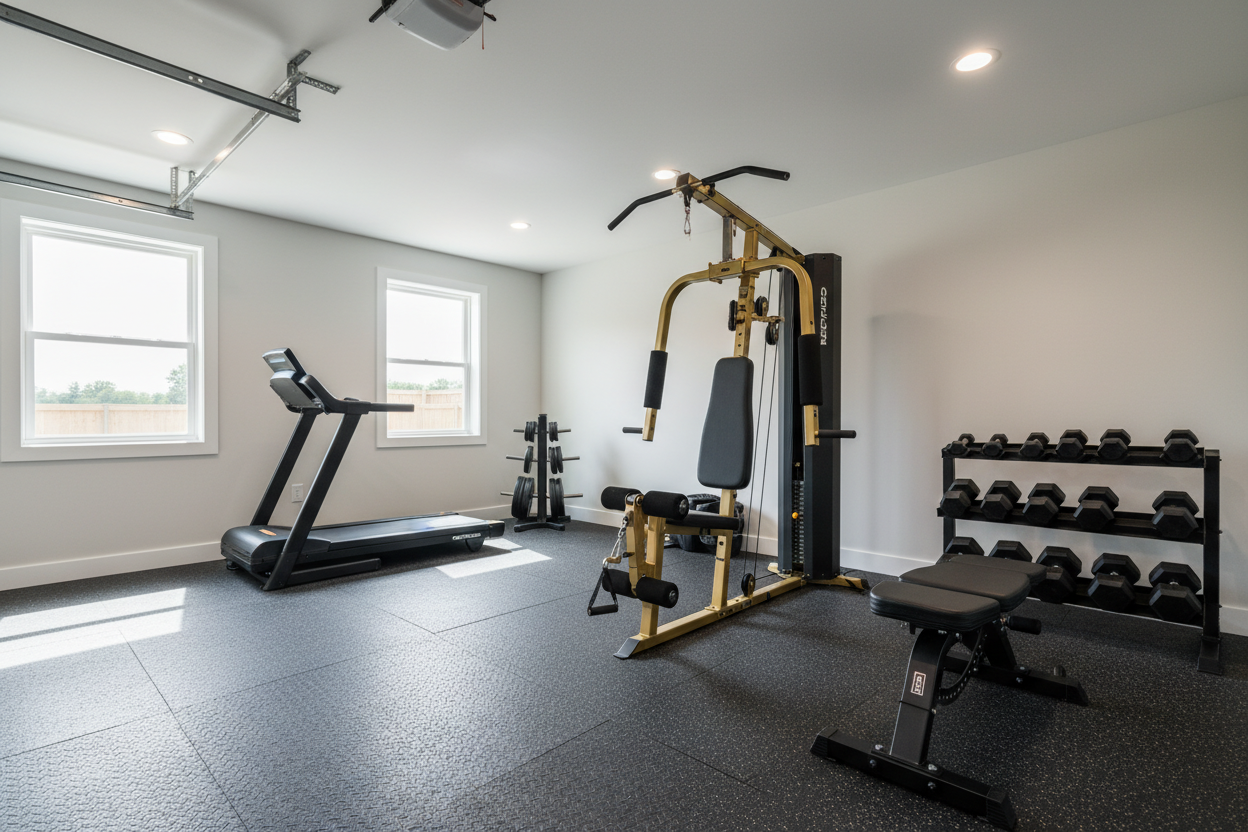
You’re at the store for lightbulbs and laundry detergent when you wander into the sporting goods aisle. There it is: the gold's gym machine. It’s boxed up, looks impressive in the photos, and the price tag is lower than three months of a boutique gym membership. I’ve been that guy, standing there with a cart, wondering if this is the shortcut to a shredded physique without the commute.
But here’s the truth from someone who has broken, bent, and eventually sold dozens of these units. Buying budget gold home gym equipment is often a rite of passage that ends in a 'For Sale' post six months later. Before you haul that 200-pound box into your trunk, let's talk about what you're actually getting.
Quick Takeaways
- The weight stacks are often capped at 150 lbs, which you’ll outgrow faster than you think.
- Plastic pulleys create friction that makes the movement feel 'choppy' rather than smooth.
- Thin-gauge steel (usually 14-gauge or higher) leads to noticeable frame flex under load.
- Assembly can take 4-6 hours and the instructions are notoriously vague.
The Temptation of the Big-Box Sporting Goods Aisle
The appeal is obvious. You want to train, you have a corner in the garage, and the box says 'Total Body Workout.' When you're browsing at home gym equipment ideas, these all-in-one units look like the ultimate space-saver. It’s a psychological win to walk out of a retail store with an entire gym in a single box.
The problem is that these machines are built for the 'average consumer,' not the dedicated lifter. The companies know most of these units will serve as expensive clothes hangers within ninety days. They prioritize a low price point over structural integrity. It feels like a bargain until you realize you're paying for a product designed to be replaced.
What Happens When You Actually Load Heavy Weight
Let's look at the mechanical reality of a typical gold's gym workout station. Most of these systems use 1-inch square tubing. In the world of real strength gear, we look for 2x3 or 3x3 inch 11-gauge steel. The thinner metal on retail units vibrates. It groans. It doesn't inspire confidence when you're trying to push for a PR.
Then there's the cable system. High-end machines use aircraft-grade cables and aluminum pulleys with sealed bearings. The budget machines use plastic pulleys that degrade every time the cable rubs against them. This creates 'drag.' A 100-lb lat pulldown on a retail machine feels vastly different than 100 lbs on a commercial unit. You aren't fighting the weight; you're fighting the machine's own friction.
The Wobbly Reality of Budget Multi-Stations
Structural integrity is everything. If you’ve ever used a gold's gym at home equipment setup, you know the 'sway.' It’s that unsettling feeling when the entire tower tilts slightly as you reach the top of a chest press. It happens because these units are held together by small bolts and thin plates rather than heavy-duty welds and oversized hardware.
I remember my first 'budget' tower. I thought I was being smart by saving $400. Every time I did a pull-up, the whole rig chirped like a distressed bird. I eventually realized that finding the best at home gym equipment means looking for mass. If the machine weighs less than you do, it’s probably going to move when you do.
The Inevitable Upgrade Path (Why You Will Sell It)
If you stay consistent, you will outgrow a gold's home gym system within a year. Most of these stacks top out at 150 lbs. Because of the pulley ratios (often 2:1), you’re actually only lifting 75 lbs of resistance. For a grown adult, you’ll be maxing out the leg extension and chest press on day one. There is no room for progressive overload.
This is why you see so many of these on secondary markets. People realize they need more weight and more stability. Instead of wasting money on a 'starter' machine, you’re better off building a permanent home gym from the jump. It’s cheaper to buy the right gear once than to buy the wrong gear and then the right gear later.
What to Buy When You Want Gear That Lasts Decades
If you’re serious about training at home, skip the retail aisle. You want equipment that doesn't care if you drop it or load it to the moon. Look for racks and stations that use 11-gauge steel and have a footprint that won't shift. If you want the safety of a guided path without the flimsiness of a box-store unit, a heavy-duty Smith machine station is the way to go.
Real gear uses linear bearings and solid steel guide rods. It doesn't rattle, it doesn't sway, and it has a weight capacity that exceeds your goals, not just your current strength. My biggest mistake was thinking I could 'make do' with cheap steel. Once I switched to a real rack, my confidence—and my numbers—shot up because I wasn't worried about the equipment collapsing under me.
FAQ
Can I add more weight to the stack?
Almost never. The frames and cables aren't rated for more than the factory stack. Attempting to 'pin' extra plates on is a fast way to snap a cable or bend the guide rods.
Is it hard to assemble?
Yes. Expect hundreds of bolts and a very frustrating afternoon. If you value your time, the 'savings' on the price tag disappear quickly during the six-hour build.
Are the weights accurate?
Not really. Between the pulley friction and the mechanical advantage of the cable routing, the number on the plate rarely matches the actual tension you feel in your muscles.
Share:
The Hidden Flaws in Every Leg Press Multi Gym (And How to Avoid Them)
Why I Stopped Buying Top of the-Line Fitness Equipment for My Garage