
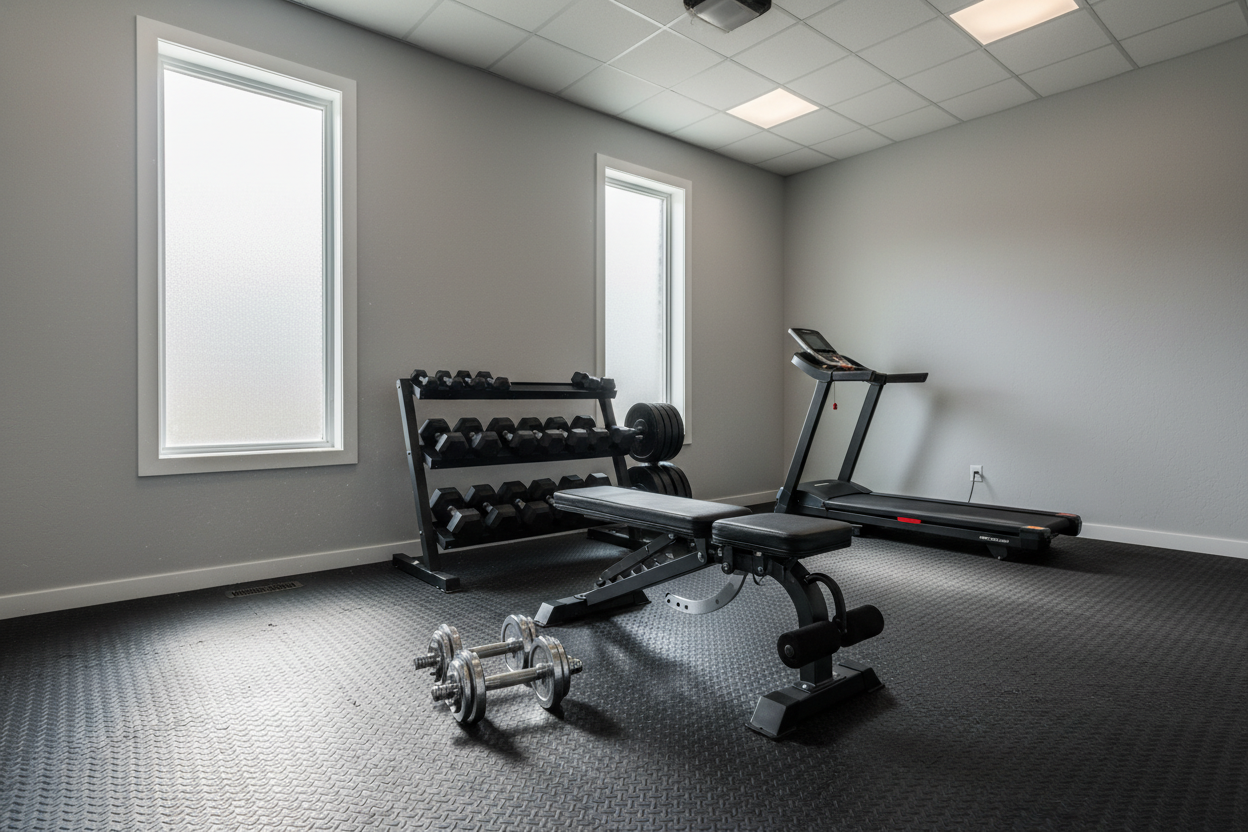
I have spent way too many late nights scrolling through search results, squinting at pixelated photos of benches that look identical but have names like 'ZXC-FIT' and 'GYM-PRO-MAX.' It is a nightmare. You are just trying to find the best weight bench on amazon so you can stop doing floor presses on a cold concrete floor, but instead, you are met with a sea of sponsored junk and suspiciously glowing reviews.
I have personally assembled, loaded, and occasionally broken more benches than I care to admit. Most of what you see on the front page is 'white-labeled' garbage—thin steel, squishy foam, and weight ratings that feel like they were pulled out of a hat. If you want a bench that actually supports a heavy set of dumbbells without folding like a lawn chair, you have to look past the marketing fluff.
Quick Takeaways
- Steel Gauge Matters: Look for 11 or 12-gauge steel; 14-gauge is the absolute minimum for safety.
- Pad Density: If you can pinch the foam and feel the wood underneath, the bench is trash.
- Width: Aim for a 12-inch pad to properly support your scapula during heavy presses.
- Check the Gap: On adjustable benches, a massive gap between the seat and back pad will kill your positioning.
The Amazon Algorithm is Lying to You
Amazon is not a fitness company; it is a logistics company. The search results for the best workout bench on amazon are driven by who pays the most for ads and who has the best 'review-getting' strategy. Often, a 'best seller' is just a $50 piece of scrap metal that 500 people bought because it was cheap and they only use it for light curls.
When you are looking for serious gear, browsing a dedicated Weight Bench collection from an actual equipment manufacturer is usually a safer bet. These companies have a reputation to protect. The alphabet-soup brands on Amazon can disappear and relaunch under a new name the moment their hinges start snapping and the lawsuits pile up. Don't trust a brand that didn't exist three months ago with your spine.
My Criteria for the Best Workout Bench on Amazon
If I am putting 300 pounds over my face, I have non-negotiable specs. First is the steel. Most cheap Amazon benches use 2-inch by 2-inch tubing with walls as thin as a soda can. You want 2x3 or 3x3-inch steel. It adds mass and stops the bench from 'walking' across the floor when you're trying to set your feet.
Next is the pad width. A lot of budget benches are narrow—maybe 10 inches wide. That is a recipe for shoulder impingement. You need a 12-inch pad to give your shoulders a stable platform to drive into. Finally, check the tripod foot design. A single post at the front allows you to tuck your feet back for a proper powerlifting arch; a wide T-bar at the front just gets in the way.
The Hidden Danger of Cheap White-Labeled Steel
The biggest lie on Amazon is the '1,000-lb weight capacity' on a bench that weighs 30 pounds. It is physically impossible. Those ratings are often static—meaning they gently placed sandbags on it until it buckled. In the real world, you are dropping into the seat with dumbbells. That is dynamic load, and it is much more taxing on the frame.
I have seen the hinge points on sub-$100 benches shear off because they used low-grade bolts and thin plywood backings. If the backrest is held on by four tiny wood screws, it is not a piece of gym equipment; it is a liability. You want a frame where the steel supports the pad, not just a piece of particle board doing the heavy lifting.
Why Pad Density Matters More Than You Think
Cheap foam is the silent killer of a good bench press. If the pad is too squishy, your shoulders will sink in, and you'll lose all stability. It feels like trying to bench press while lying on a marshmallow. You want high-density, 'reconstituted' foam that offers a firm surface. This allows for better leg drive and ensures your power is going into the bar, not being absorbed by the upholstery.
The Adjustable Hinge Wobble Test
Before you buy, look at the customer photos—not the professional renders. Look at the adjustment ladder. If the steel teeth look thin or the pop-pin has a lot of 'play' in the hole, that bench is going to wobble. A shaky bench is a mental anchor; you can't focus on the lift if you're worried about the seat shifting two inches to the left mid-rep.
When to Trust an Amazon Brand (And When to Run)
There are reputable brands that use Amazon as a storefront. You can usually spot them because they have a real website, a customer service number, and a history in the industry. I have done deep dives into this before, such as My Take on the Body Flex Body Power Adjustable Multi-Purpose Weight Bench, where I look at whether these mass-market options actually survive a real workout.
Run away if the product description is written in broken English or if the photos show people who have clearly been Photoshopped onto the bench. If the scale of the person looks 'off' compared to the bench, it’s because the bench is actually tiny and they are trying to hide it.
The Smarter Way to Upgrade Your Pressing Station
Stop buying a new $90 bench every year because the last one started creaking. It is a waste of money and a safety hazard. If you are serious about training, you buy your last bench first. You want something that feels like it belongs in a commercial powerhouse gym but fits in your garage.
If you want to skip the Amazon lottery entirely, the Adjustable Weight Bench Owb01 is a prime example of what a real bench should be. It has the weight, the steel gauge, and the stability that those 'alphabet-soup' brands simply cannot match. It’s an investment in your safety and your gains, rather than just another piece of junk that will end up on the curb in six months.
Personal Experience: The $70 Lesson
Early in my home gym days, I bought a 'top-rated' Amazon bench for $70. It arrived in a box that looked like it had been through a war. The first time I tried to do incline presses with 60-pound dumbbells, the backrest shifted an inch to the right. I finished the set, but my heart wasn't in it. I realized then that saving $100 wasn't worth a trip to the ER. I sold it for $20 on Marketplace and bought a real 11-gauge steel bench. I still have that bench today, ten years later.
FAQ
Is a flat bench better than an adjustable one?
Flat benches are inherently more stable and cheaper because they have no moving parts. If you only care about powerlifting, a flat bench is king. If you want versatility for incline or seated work, get a high-quality adjustable bench, but expect to pay more for stability.
What is a 'Zero Gap' bench?
On most adjustable benches, there is a 2-3 inch gap between the seat and back pad when flat. A 'Zero Gap' bench uses a sliding mechanism to close that hole, which is much more comfortable for your lower back during flat presses.
How much should I spend on a good bench?
For a solid, home-use flat bench, expect to spend $150-$200. For a high-quality adjustable bench that won't wobble, you are looking at the $300-$500 range. Anything less usually involves compromises in steel thickness or pad quality.
Share:
Why I Refuse to Buy a Cheap Barbell for Outdoors
Which Adjustable Dumbbell Best Replaces a Full Rack of Iron?