
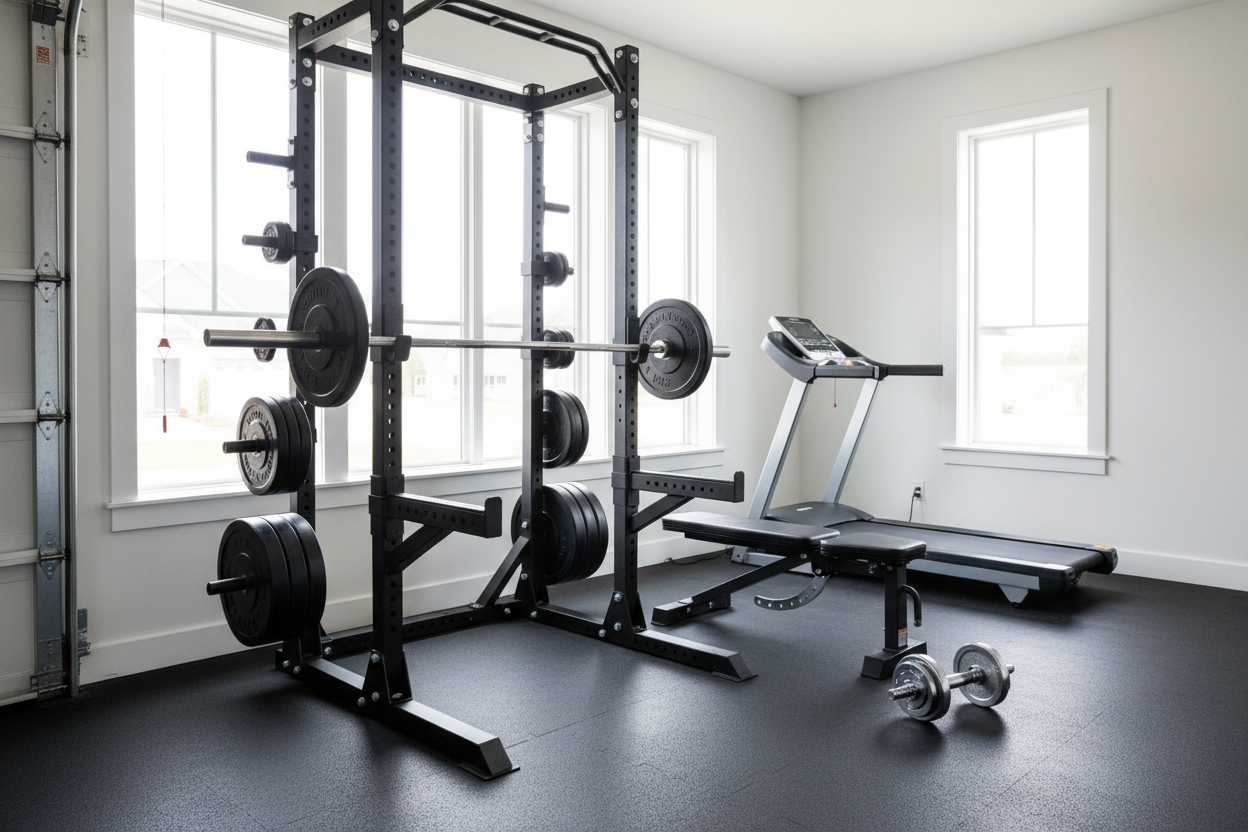
I remember the first time I dragged my garage gym gear out onto the driveway. The sun was hitting just right, the music was loud, and for twenty minutes, it was pure bliss. Then the humidity rolled in. Three weeks later, my 'budget' bar looked like it had been pulled from the bottom of a shipwreck.
Buying a barbell for outdoors isn't just about finding something that looks rugged; it's about chemistry. If you're tired of the local commercial gym raising prices or just want to train under the sky, you have to understand that iron is constantly trying to return to the earth. Without the right protection, your backyard setup will turn into a pile of orange dust faster than you can finish a cycle of Smolov.
- Cerakote and Stainless Steel are the only real options for high-humidity areas.
- Avoid decorative chrome or 'bright zinc' like the plague if the bar stays outside.
- Condensation under a tarp is often more damaging than direct rain.
- Maintenance is non-negotiable—oil your sleeves every two weeks.
The Brutal Reality of Lifting in the Dirt and Rain
Morning dew is the silent killer of home gyms. You think because you have a roof or a porch that your gear is safe, but moisture in the air settles into the knurling and stays there. A cheap outdoor barbell made of bare steel will start pitting within 48 hours in a humid climate.
Most people moving their training outside end up sticking to a barbell only routine because it's the most space-efficient way to get strong. But that means your bar is doing 100% of the work. If the knurling is clogged with rust, your grip fails before your legs do. You need a weatherproof barbell that maintains its texture even when the air feels like a swamp.
Cerakote, Stainless, or Zinc? Decoding Weatherproof Barbells
When you look at standard Olympic barbell options, you'll see a lot of black zinc. In a climate-controlled basement, black zinc is fine. Outdoors? It’s a joke. It wears off in the high-contact areas—where your hands and the rack touch the bar—leaving the raw steel exposed to the elements.
If you want the best outdoor barbell, you go Stainless Steel or Cerakote. Stainless is the gold standard because it isn't a coating; the metal itself is resistant to oxidation. Cerakote is a ceramic-based finish used on firearms. It's incredibly tough and handles UV rays without chipping, making it a prime candidate for a waterproof barbell. Just know that Cerakote can slightly dull the 'bite' of the knurling compared to raw stainless.
Why Tarps and Trash Bags Won't Save Your Indoor Bar
I’ve seen guys wrap their bars in heavy-duty tarps thinking they’re geniuses. Here’s what actually happens: the tarp traps ground moisture and creates a literal greenhouse for rust. The temperature fluctuations cause condensation to form directly on the steel, and because there’s no airflow, it just sits there and eats the finish.
A barbell outdoor needs to breathe. If you must cover it, use a specialized breathable bag or, better yet, bring the bar inside while leaving the rack and plates out. If it stays outside, it better have a 190,000 PSI tensile strength and a finish that can actually handle the sweat and storm cycles.
How to Build the Ultimate Outdoor Barbell Set
Building an outdoor barbell set requires thinking about more than just the bar. You need plates that won't rot. Cast iron plates will peel and rust; stick to virgin rubber bumpers with stainless steel inserts. Brass inserts will corrode and seize onto your bar sleeves if you aren't careful.
When choosing your stick, use a classic 20kg Olympic barbell as your spec baseline. You want those 50mm sleeves and a 28mm to 28.5mm shaft. Don't settle for those 'threaded' 1-inch bars you see at big-box retailers. They are made of inferior steel that snaps under stress, and their 'chrome' plating is basically just shiny paint that flakes off into your eyes during bench press.
The 3-Minute Maintenance Routine for Backyard Lifters
Even the most expensive outdoor barbells need love. Every two weeks, take a nylon brush (never steel, it'll ruin the finish) and scrub out the skin cells and chalk from the knurling. Apply a light coat of 3-in-1 oil or WD-40 Specialist Corrosion Inhibitor.
Wipe it down until it's not greasy to the touch. This creates a hydrophobic barrier that forces water to bead off rather than soak in. Check the sleeves—if the spin starts sounding crunchy, it’s time to pop the snap rings and regrease the bushings. It takes three minutes and saves you three hundred dollars.
Is a stainless steel bar worth the extra $100?
Yes. If you live within 50 miles of the coast or in a high-humidity state, stainless steel is the only material that won't eventually fail you. It’s a 'buy once, cry once' investment.
Can I leave my barbell in the rain?
You can, but I wouldn't. Even a Cerakote bar has exposed steel at the sleeve ends and snap rings. If it gets soaked, dry it off immediately and re-oil it to prevent internal rusting in the bushings.
What's the best way to store a bar outside?
Vertical storage is usually better for drainage, but horizontal on a plastic-lined rack is fine. The key is keeping it off the bare ground and ensuring it has enough airflow to dry out after a storm.
Share:
How Far Will a Marcy Weight Bench and Weights Actually Take You?
The Brutal Truth About the Best Weight Bench on Amazon