
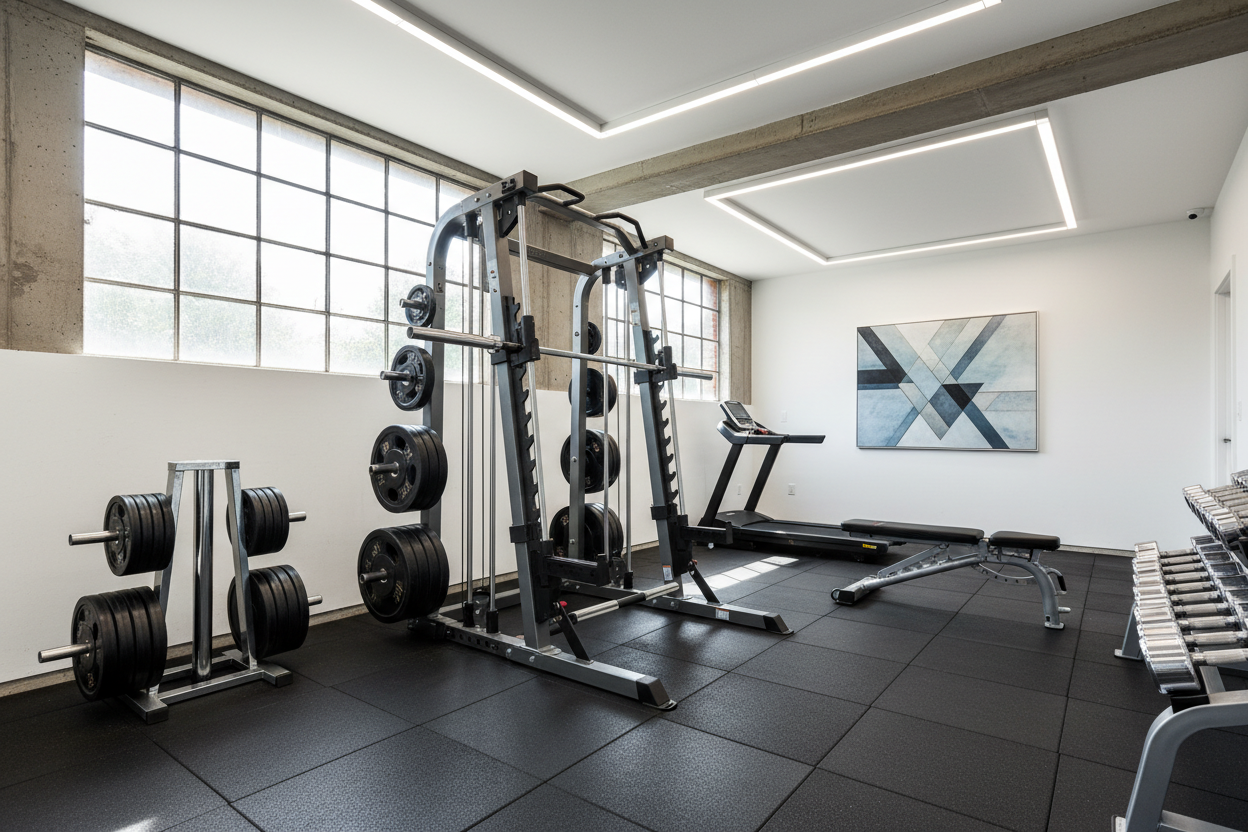
I used to be a total free-weight snob. If it didn't involve a vibrating barbell and a chalk-dusted platform, I didn't want anything to do with it. But after a decade of heavy lifting, my lower back started sending me invoices I couldn't pay. That is when I finally stepped onto the v-squat machine gathering dust in the corner of my gym.
The first thing you notice is the arc. Unlike a standard leg press that just shoves weight in a straight line, this machine moves on a pivot. It feels less like a clinical exercise and more like a natural movement pattern that actually respects how your hips and knees want to move. If you are tired of feeling like your spine is being compressed into a pancake, this is the tool you have been looking for.
- The natural arc reduces shear force on the knees compared to linear machines.
- Foot placement allows you to shift focus from quads to glutes instantly.
- It provides a massive stability boost, letting you train to absolute failure safely.
- The shoulder pads take the load off your spine, making it ideal for lifters with back issues.
The Leg Machine Everyone Stares At But Nobody Uses
Walk into any commercial gym and you will see it: a massive steel frame with heavy shoulder pads and an oversized footplate. It looks like a linebacker’s training tool. Most people walk past it because they do not understand the mechanics. They see the pads and think it is just a weird hack squat.
But the v-squat is the middle ground between a barbell squat and a leg press. It gives you the upright torso of a squat with the safety of a machine. Because the machine supports your weight, you do not have to waste energy stabilizing your core. You can put 100% of your effort into moving the weight with your legs, which is the whole point of hypertrophy training.
V-Squat vs. Hack Squat: What is the Actual Difference?
People use these terms interchangeably, but they are mechanically different animals. A hack squat typically moves on a 45-degree angle in a perfectly straight line. This puts a lot of constant tension on the knees. While effective, it can be brutal on your joints if your mobility is even slightly off.
The v-squat, however, moves in a curved path. This arc mimics the natural path of a human squat more closely. Unlike traditional hack squat machine setups, the v-squat allows for a bit more hip travel. This means less shear force on the spine and a more comfortable ride for your patellar tendons. If your knees scream during hack squats, the v-squat is your best friend.
What Does the V-Squat Work? (It is All in the Feet)
This is where the magic happens. The v-squat is a chameleon. Depending on where you plant your sneakers, you can turn this into a quad-killer or a glute-builder. It is a compound movement hitting the quads, glutes, hamstrings, and even the adductors.
The key takeaway is that adjusting your stance alters muscle recruitment. Because the footplate is usually massive, you have about two square feet of real estate to play with. You are not locked into one position like you are with some smaller machines.
How to Maximize the V-Squat for Quads
If you want to build those teardrop muscles above your knee, keep your feet low on the platform. A narrower v stance squat with your heels toward the bottom of the plate forces your knees to travel further forward. This creates maximum knee flexion, which is the primary driver for quad growth. Just make sure your heels stay glued to the plate; if they lift, you have gone too low.
The Secret to a Glute-Focused V-Squat
To turn this into a v squat for glutes, move your feet toward the top of the platform and widen your stance. This setup increases the angle of hip flexion. By pushing through your heels from this high position, you force the posterior chain to do the heavy lifting. It is one of the few ways to load the glutes heavily without the technical demand of a low-bar barbell squat.
How to Use the V-Squat Machine Without Looking Foolish
Step one: get under the pads and find your stance. Most machines have a safety handle near your right hand. Once you stand up to take the weight, pull that handle to disengage the locks. Keep your chest pressed firmly against the back pad (if facing out) or the front pad (if doing a reverse v-squat).
The 'reverse' version—where you face the machine—is actually my favorite for glute isolation. It allows you to hinge your hips back even further. Just remember to keep your spine neutral. Do not look up at the ceiling or down at your feet; pick a spot a few feet in front of you and stare it down until the set is over.
V-Squat vs. Barbell Squat: Should You Make the Switch?
I am not saying you should throw your barbell in the trash. But if your goal is pure muscle size, the v-squat has a massive advantage: stability. When you are doing a barbell squat, your set often ends because your lower back is tired or your balance is wavering. Your legs might have two more reps in them, but your nervous system says 'no more.'
By using the v-squat or other fixed-path barbell machines, you remove the balance equation. You can push your quads to the point of a literal burn without worrying about falling over. For high-volume accessory work, the machine wins every single time. Save the barbell for your heavy strength work and use the v-squat to actually build the muscle.
Personal Experience: The 'Crawl of Shame'
I learned the hard way that you should always test the safety catches before loading four plates on each side. I once went too deep on a set of 'facing-in' v-squats and couldn't quite reach the lockout. I had to awkwardly shimmy out from under the shoulder pads while the weight sat on the bottom pins. It was a bruise to my ego, but it proved the machine’s safety. If that had been a barbell, I would have been pinned. Now, I always do a dry run to set the safety height before I start my working sets.
V-Squat FAQ
Is the v-squat better than the leg press?
It is different. The v-squat involves more hip movement and core engagement because you are in a standing position. It feels more 'athletic' than the leg press but provides similar safety benefits.
Can I do this if I have a lower back injury?
Generally, yes, because the weight is supported by your shoulders and the machine's pivot point, which reduces the 'crushing' force on your lumbar spine. However, always start light to test your tolerance.
Why is it called a 'V' squat?
It refers to the shape of the machine's frame and the slightly angled path the weight takes. It also mimics the 'V' shape your body makes at the bottom of the movement when your hips are hinged back.
Share:
I Sold Half My Gear: The Most Important Gym Equipment That Survived
Why Buying Cheap Exercise Machines Actually Costs You More