
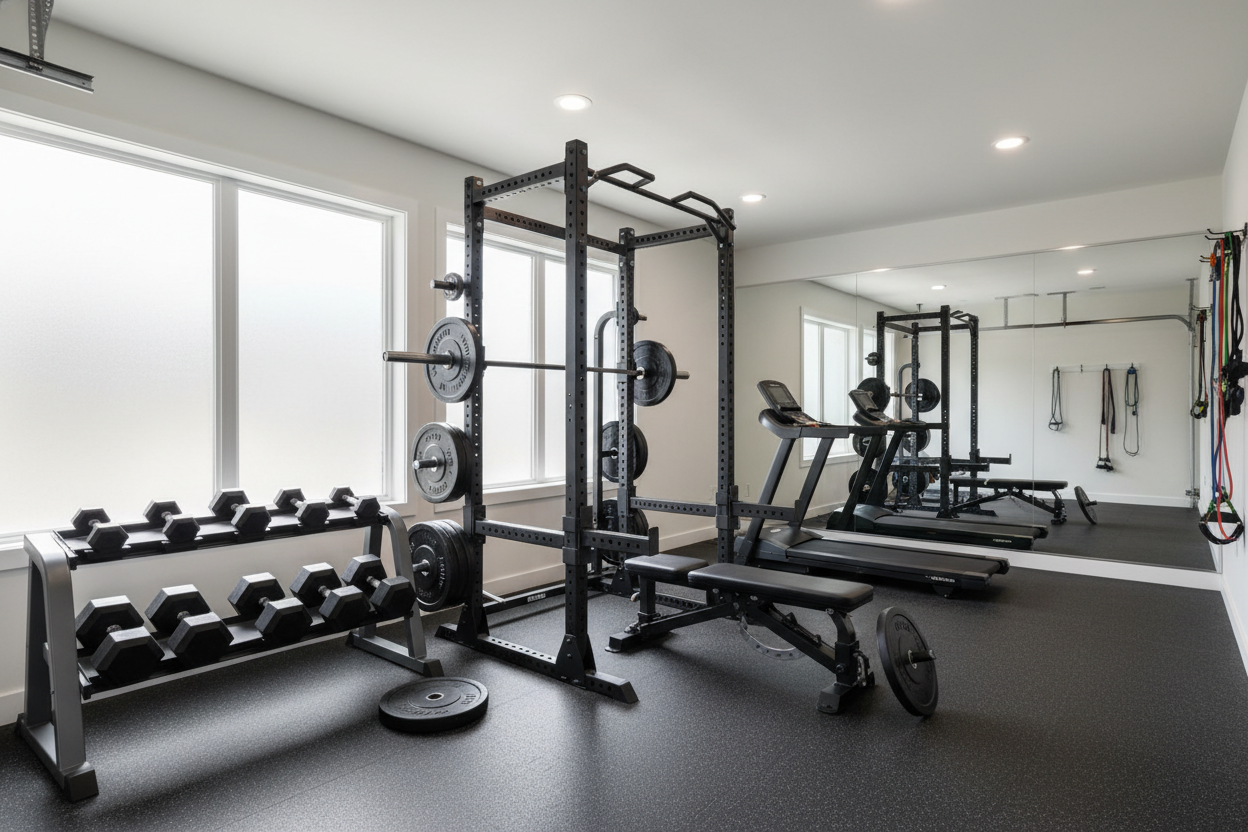
I remember the first time I tried to build a home gym on a $500 budget. I spent hours scrolling through generic listings at midnight, looking for a lift weight set that didn't cost more than my first car. I ended up with a bar that felt like a wet noodle and plates that smelled like a tire fire.
The reality is that the market is flooded with garbage right now. If you aren't careful, you'll end up with equipment that isn't just frustrating to use—it's actually dangerous. Here is how to spot the trash before it arrives at your door.
Quick Takeaways
- Avoid 'static load' ratings; they are meaningless for actual lifting.
- Never buy a 1-inch standard bar if you plan on lifting over 100 lbs.
- Look for 190,000 PSI tensile strength in your barbell.
- Shipping is expensive; often, 'free shipping' just means the quality of the steel was lowered to offset the cost.
The Dropshipper Trap: Why Most Online Bundles Are Hot Garbage
Most of those flashy bundles you see on the front page of Amazon are just rebranded junk from the same three factories. These sellers don't know a deadlift from a donut. They buy in bulk, slap a generic name on the box, and hope you don't notice the hollow steel and brittle cast iron.
You'll often wonder if a complete weight lifting set with weights is actually cheaper. On paper, it looks like a steal. But once you factor in the cost of replacing a bent bar in three months, the 'savings' vanish. These bundles usually include a 'mystery bar' that has no business being loaded with more than two plates per side. If the listing doesn't specify the steel grade, run.
3 Red Flags to Spot When You Buy Lifting Weights
When you start to buy lifting weights online, the marketing photos all look the same. You have to dig into the spec sheet to find the truth. If the specs are missing, that is your first red flag.
The 'Static Load' Marketing Lie
Manufacturers love to brag about a 500-lb or 700-lb 'static load' capacity. This is a total scam. A static load just means the bar won't snap if you leave it sitting perfectly still on a rack. The second you drop a 225-lb clean, the dynamic force is significantly higher. I have seen '700-lb rated' bars bend permanently after a single dropped deadlift at half that weight. Look for tensile strength, not static capacity.
The Dreaded 1-Inch Standard Sleeve
If you see a lift weight set with 1-inch diameter sleeves, close the tab. These are relics of the 80s. You cannot find high-quality bumper plates for them, they have zero whip, and the sleeves don't usually have bearings or bushings. If you are serious about getting strong, you need 2-inch Olympic sleeves. Anything else is a toy that you will outgrow in three weeks.
Exactly Where to Buy Lifting Weights (Without Getting Scammed)
Stop buying from 'FitnessPro123' or random marketplace accounts. If you want gear that lasts, go direct-to-consumer. Brands that actually design their own equipment have a reputation to protect. They provide actual specs like knurl depth, sleeve rotation style, and PSI ratings.
Knowing where to buy lifting weights is about finding companies that actually test their gear. Look for brands that show real people using the equipment in a garage, not just photoshopped models in a white studio. If they don't have a physical warehouse and a real customer service line, they aren't worth your money.
Pairing Your Iron With a Bench That Won't Collapse
Don't put a high-quality bar on a $50 bench you found at a big-box store. I have seen cheap benches fold like lawn chairs during a heavy set of presses, and it is a fast way to end up in the ER. You need a solid weight bench built with at least 11-gauge or 14-gauge steel.
If you are working in a tight space, an adjustable weight bench is the best investment you can make. It allows for incline and flat work without taking up the footprint of two separate pieces of gear. Just make sure the 'pad gap' isn't so wide that your lower back sinks into it during a heavy set.
Are Cheap Lifting Weights Ever Actually Worth It?
I am a fan of saving money where it makes sense. If you are buying 5-lb plates for lateral raises, buy the cheap lifting weights. Cast iron is cast iron for the small stuff. But your primary barbell and your heavy plates are where you invest. A cheap bar will rust and bend; a quality bar will be something you pass down to your kids.
Personal Experience: The 'Noodle' Incident
Early in my training, I bought a 'cheap lifting weights' bundle from a local liquidator. The first time I loaded 315 lbs for a deadlift, the bar didn't just flex—it stayed bent. It looked like a literal noodle. I had to finish my workout with a bar that rolled unevenly in my hands. I learned the hard way: buy once, cry once.
FAQ
Is cast iron better than bumper plates?
Cast iron is cheaper and takes up less space on the bar. Bumper plates are essential if you are doing Olympic lifts or dropping weights from overhead. For most garage lifters, a mix of both is the smart play.
How do I stop my weight set from rusting?
If you live in a humid area, avoid chrome or 'decorative' finishes. Look for Cerakote or Zinc coatings. If you already have rust, a little 3-in-One oil and a wire brush will fix it right up.
Does the knurling matter for beginners?
Yes. If the knurling is too passive (smooth), the bar will slip out of your hands once you get sweaty. You don't need 'cheese grater' knurling, but you need enough texture to maintain a solid grip without chalk.
Share:
No Space for a Sled? My Favorite Leg Press Alternative for Home Gyms
The Unspoken Problem With Full Body Workout Equipment for Home