
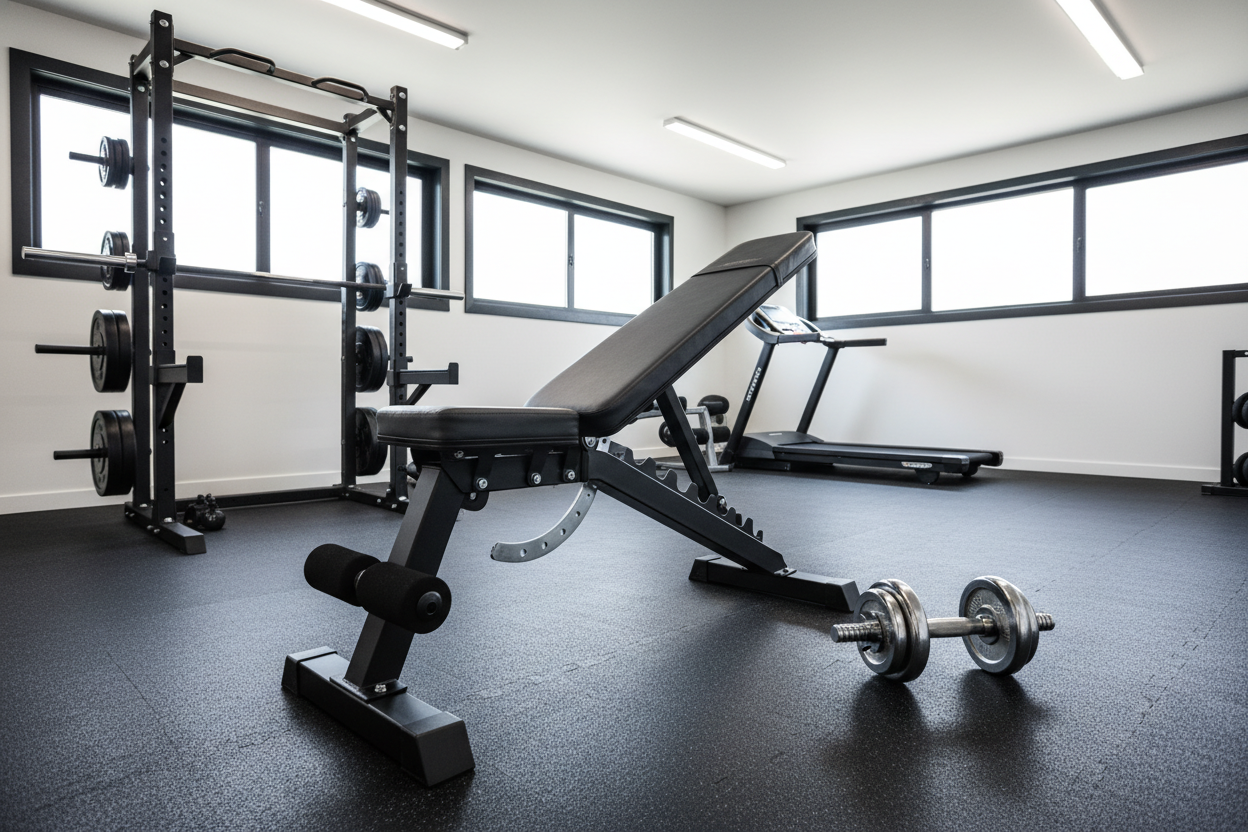
I remember my first 'pro' bench from a big-box store. It looked great on the box, but the first time I unracked 225, the whole frame groaned like a sinking ship. If you've ever felt that terrifying side-to-side sway mid-press, you know exactly why a heavy duty weight bench is the most underrated piece of safety gear in your gym.
Quick Takeaways
- Static weight ratings are often marketing fluff—look for steel gauge instead.
- High-density foam is mandatory to prevent your shoulders from bottoming out.
- A 3-post (tripod) design offers the best foot positioning for leg drive.
- 11-gauge steel is the gold standard for anyone lifting serious iron.
The Dangerous Lie of 'Static Weight Capacity'
Budget manufacturers love to brag about 500 or 800-pound weight capacities. Here's the secret: that's usually a static rating. They gently place a stack of lead on the bench in a factory and call it a day. But lifting isn't static. When you're wrestling 100-pound dumbbells into position, you're creating dynamic force that's much higher than the weight on the bar.
Cheap benches use thin 14-gauge steel that flexes under pressure. You want a frame built from 11-gauge steel. It doesn't just hold the weight; it absorbs the energy of your movement without vibrating. If the frame feels light enough to pick up with one finger, it’s probably going to fail you when you’re chasing a PR.
Why a Cheap Pad is Ruining Your Pressing Power
A lot of people think a padded exercise bench is just about comfort. It’s not. It’s about stability. Cheap pads use soft, open-cell foam that feels 'cushy' at first but compresses completely the moment you start your set. When your shoulder blades sink through the foam and hit the plywood backing, your base becomes unstable, and your rotator cuffs have to work overtime to compensate.
A high-quality padded weight bench uses high-density, closed-cell foam. It’s firm—sometimes surprisingly so—but that firmness gives your scapula something to bite into. This 'grip' allows you to create a rock-solid platform, which directly translates to more power off the chest. If your pad feels like a pool noodle, you're leaving pounds on the table.
Leg Design: The Difference Between Rock Solid and Terrifying
The footprint of your bench determines whether you're focused on the lift or focused on not tipping over. Most cheap dumbbell benches use a standard four-post design with narrow feet. On a perfectly flat floor, they’re okay. But most garage floors have a slope for drainage. This is where a bench with adjustable legs becomes a lifesaver, allowing you to level the frame so it doesn't wobble on uneven concrete.
I personally prefer a tripod (3-post) design for heavy pressing. It gives you a wide, stable base at the head of the bench but keeps the front clear so you can tuck your feet back for proper leg drive. There’s nothing worse than trying to set your feet and hitting a metal bar right where your heels need to be.
Why Dumbbells Are the Ultimate Stress Test
Barbells are predictable because the weight is centered. Dumbbells are chaos. When you're doing heavy incline work, you’re putting massive torsional stress on the hinge and the adjustment spine. A budget padded workout bench will often rattle or shift at the 'teeth' of the adjustment mechanism when you’re loaded up.
You need a gym bench adjustable enough to handle various angles without the back pad feeling like it’s going to slide out of the notch. Look for a massive pull-pin or a deep ladder-style adjustment. If the adjustment arm looks thin, it’s the weak point in the entire system. You want hardware that looks like it belongs on a tractor, not a lawn chair.
How to Spot a Frame That Won't Fail You
Before you hit buy, check the specs for 2x3 or 3x3 inch steel tubing. Look at the bolt sizes—anything less than 1/2-inch hardware is a red flag. A heavy duty weight bench should also have a vinyl cover with a bit of texture. Slick vinyl is a nightmare when you're sweating; you'll slide right off the back during a heavy set of flies.
My Hard-Earned Lesson
I once bought a 'heavy duty' bench from an Amazon brand with 4,000 five-star reviews. On paper, it was perfect. In reality, the gap between the seat and the back pad was nearly three inches wide. Every time I did a flat press, my lower back would sink into that 'canyon.' It was distracting, painful, and eventually, the vinyl started cracking after only four months of use. I ended up spending more money replacing it than I would have if I’d just bought a commercial-grade bench from the start. Buy once, cry once.
FAQ
Does an adjustable height weight bench really matter?
It’s a huge deal if you’re shorter or taller than average. Most standard benches are 17 inches high. If you have short legs, you won’t be able to get your feet flat for leg drive. If you're tall, you'll feel cramped. Adjustable legs solve that instantly.
How wide should the pad be?
Aim for 11 to 12 inches. Anything narrower than 11 inches won't support your shoulders properly, leading to instability. Anything wider than 12.5 inches can actually get in the way of your arms during the bottom of a bench press or dumbbell fly.
Is a 3-post design less stable than 4 posts?
Actually, no. A 3-post design (one foot in front, two in back) is often more stable on uneven floors because three points of contact will always touch the ground. It also stays out of the way of your feet, which is a massive win for powerlifting-style setups.
Share:
I Snapped a Cheap Frame: Why You Need a Heavy Duty Incline Weight Bench
I Refuse to Ruin My Decor With Living Room Exercise Equipment