
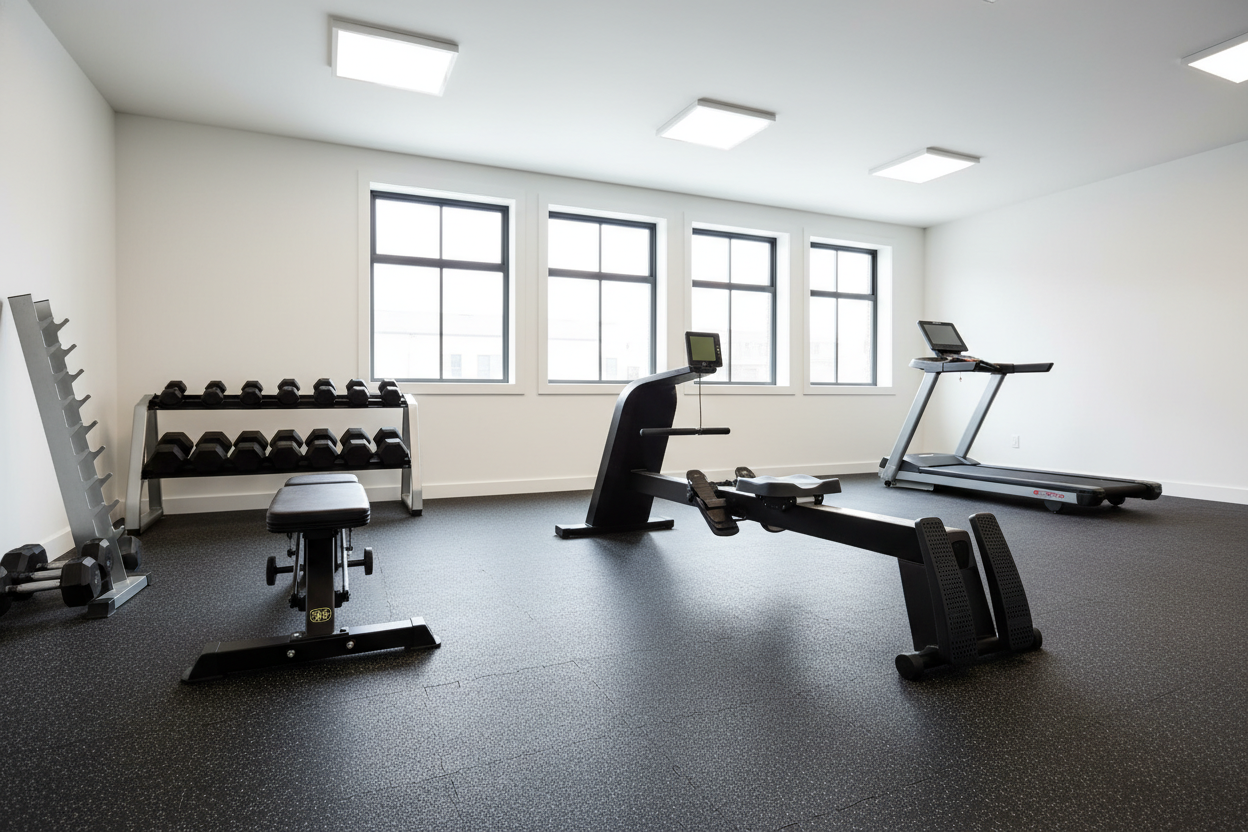
I remember buying my first under-desk pedaler thinking I’d get a quad pump while answering emails. Instead, I spent forty minutes kicking a plastic box across my hardwood floor like a frustrated toddler. Most people looking for a sitting exercise machine are sold a dream of effortless fitness that usually ends up as a $150 dust collector tucked under the couch.
Quick Takeaways
- Weight is everything; if the machine weighs less than 20 lbs, it will slide.
- Magnetic resistance is the only way to go if you want a silent, smooth stroke.
- Check your desk height—most people forget their knees need upward clearance.
- Don't expect a seated machine to replace a heavy squat day.
Why Most Infomercial 'Sit Down' Gadgets Are Garbage
Most 'as seen on TV' gadgets are built with the structural integrity of a plastic takeout container. They use cheap felt pads for 'resistance' that smell like burning hair after ten minutes of moderate use. I've written before about typical seated exercise machine flaws, but the biggest issue is usually the lack of stabilizing weight. If the base doesn't have some heft, the physics just don't work.
Cheap sit down exercise equipment often ignores biomechanics entirely. When you're in a seated position, your hips are already in a flexed state. If the pedal path is too circular and tight, you're putting unnecessary shearing force on your knees. It’s not just about moving; it’s about moving in a way that doesn’t require an ice pack ten minutes later. Most sitting exercise equipment you find at big-box retailers is designed for a 15-minute demo, not a 2-hour work shift.
The Curse of the Sliding Couch Exercise Machine
Physics is a jerk. If you weigh 180 lbs and your sitting down exercise machine weighs 12 lbs, guess what happens when you actually apply torque? The machine moves, not your legs. Unless you're jamming your couch exercise machine against a wall or bolting it to a heavy floor mat, it’s going to migrate across the room the moment you turn up the tension.
I’ve tested dozens of these, and the lightweight sitting down exercise machines are the worst offenders. You end up spending more energy pulling the machine back toward your chair with your heels than you do actually pedaling. If you want to use an exercise machine while sitting, it needs a rubberized base and enough internal weight to act as an anchor. Anything else is just a glorified footrest.
What Actually Matters When Buying a Sitting Exercise Machine
If you're serious about getting a seated exercise machine that lasts, look at the resistance mechanism first. Friction-based pads are loud, jerky, and wear out in months. Magnetic resistance is the gold standard. It’s silent, which is crucial if you’re on Zoom calls, and it provides a consistent feel throughout the entire rotation. A real sit down exercise machine should feel like a miniaturized version of the gear in a commercial gym.
Compare these flimsy floor pedalers to real stationary exercise bikes and you’ll see the difference in the flywheel. A heavier flywheel creates momentum, which leads to a smoother stride. You also need to look at the 'Q-factor'—the distance between the pedals. If the pedals are too wide or too narrow, you’re going to wreck your hips. Look for a seated exercise equipment setup that mimics your natural walking gait width.
Real Talk: When Does a Chair Exercise Machine Make Sense?
A chair exercise machine isn't a replacement for a barbell, but it has its place. If you're stuck in a WFH loop for 8 hours, it’s a great tool for keeping your blood glucose levels from spiking after lunch. It’s also a vital piece of kit for active recovery. On my off days from the squat rack, I’ll sometimes use sitting down exercise equipment just to keep the joints lubricated without adding systemic fatigue.
For home office workers, I usually suggest a sturdy foldable exercise bike if you have the floor space. It offers a much more stable platform than a standalone floor unit. However, if you are strictly limited to a desk environment, ensure your sitting down exercise machines have a low-profile design so you aren't constantly banging your kneecaps on the underside of your desk.
The Only Sitting Down Exercise Machines I Actually Recommend
If you want to move past basic cardio and actually build some tissue, you have to look at heavy-duty seated exercise equipment. Most 'cardio' pedalers won't give you enough resistance to stimulate muscle growth. You're better off looking at machines that allow for loaded movement. For example, a dedicated seated dip machine provides real mechanical tension that a plastic floor pedaler can't touch.
When I'm building out a space for someone who needs to stay seated—whether due to injury or lifestyle—I look for frames made of 11-gauge or 14-gauge steel. You want something that doesn't flex when you lean into it. A high-quality sitting down exercise machine should feel like it's part of the floor. It should have a weight capacity of at least 250 lbs, even if you aren't putting your full body weight on it, just to ensure the bearings are high-quality.
Personal Experience: My $50 Mistake
I once bought a cheap 'sit down' pedaler from a clearance bin. By the third day, the internal belt started slipping, making a rhythmic 'thunk' that drove my wife crazy two rooms away. I eventually took it apart and found the 'flywheel' was literally a piece of weighted plastic. I learned my lesson: if the machine is light enough to pick up with two fingers, it’s not going to survive a real workout. Now, I only trust gear that requires a bit of effort to move around the gym.
FAQ
Can I lose weight with a sitting exercise machine?
Only if you're in a calorie deficit. It helps burn extra calories—roughly 100-150 an hour—but it's not a magic bullet for fat loss. Think of it as a tool for movement, not a replacement for a solid diet.
Are these machines loud enough to ruin a phone call?
Cheap friction-based machines squeak like a haunted house. High-end magnetic versions are virtually silent. If you're working in an office, spend the extra money on magnetic resistance.
Will it fit under my standard 29-inch desk?
Maybe. It’s not the machine height you have to worry about; it’s your knee travel. Most people need at least 10 inches of clearance between their knees and the desk at the top of the pedal stroke. Measure before you buy.
Share:
Why I Stopped Putting Clips on Smith Machine Bars
Sick of Loading Plates? The Truth About the Hydraulic Leg Press