
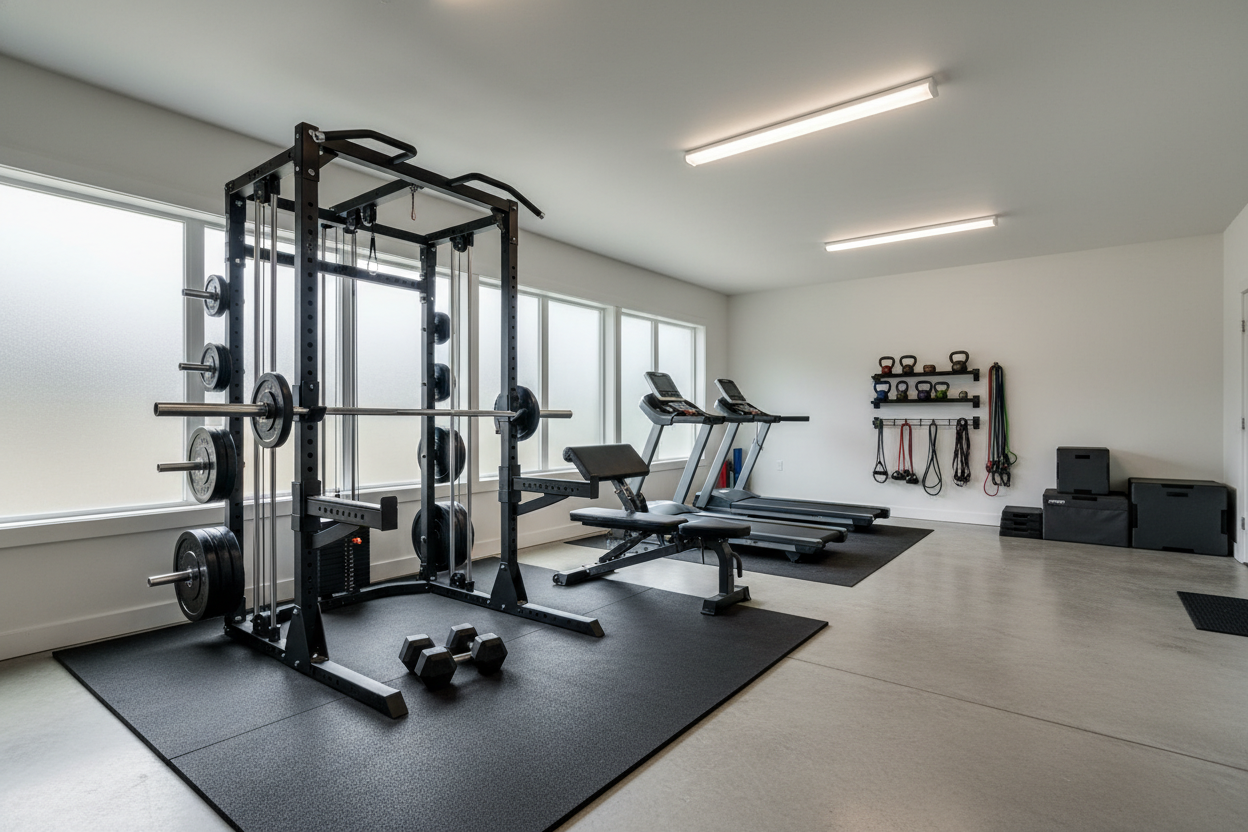
I remember scrolling through Facebook Marketplace at 2 AM, looking at an ad titled 'Metal gym thingy for sale.' The photo was blurry, but I recognized the uprights and the linear bearings. It was a $3,000 commercial Smith machine listed for $200 because the seller didn't know the names of weight lifting machines. If you want to build a serious home gym or just stop looking like a lost tourist at the local Powerhouse, you need to speak the language.
Quick Takeaways
- Precision matters: Searching for the right name saves you hundreds on used gear.
- Path of motion: Machines either move in a fixed arc or a straight line.
- Plate-loaded vs. Selectorized: One uses your existing plates, the other uses a built-in pin stack.
- The bench is your anchor: Without a solid base, most upper-body machines are useless.
Why You Need to Know What This Stuff Is Actually Called
Most people follow a workout app these days. If your program calls for a 'Seated Cable Row' and you end up at a 'Lat Pulldown,' you're training your lats vertically instead of hitting your mid-back horizontally. You're essentially following a recipe but swapping salt for sugar. It doesn't work.
Beyond the training, there's the 'Marketplace Sniping' factor. Knowing the specific weight training machines names allows you to set alerts for high-end gear. If you search for 'leg machine,' you'll get 500 results for cheap thigh masters. If you search for 'Linear Leg Press,' you find the heavy-duty sleds that actually build wheels.
The Big Three: Weight Training Machines Names You'll See Everywhere
The Smith Machine is the one everyone loves to hate. It’s a barbell on a fixed vertical track. While purists say it's 'cheating,' I say it's great for high-volume shrugs or calf raises where you don't want to worry about balance. Just make sure the bearings are smooth; if it chatters, it’s a paperweight.
Then you have the Functional Trainer. This is a big footprint unit with two independent cable stacks. It’s the Swiss Army knife of the gym. If I could only have one machine besides a rack, this is it. Finally, the Leg Press. Look for the 45-degree angle versions. They take up a massive 4x8 foot footprint, but they allow you to load up hundreds of pounds without the spinal compression of a squat.
Upper Body Units (And How to Spot Them)
You’ll see Pec Decks (butterfly arms) and Lat Pulldowns (the long bar you pull to your chest) in every commercial gym. But if you’re buying for a home setup, I always steer people toward plate-loaded units. Selectorized machines—the ones with the pin and the weight stack—are convenient but they’re a nightmare to move and repair.
I’ve found that an independent arms chest press machine is a superior choice for home use. These allow for a converging range of motion, meaning the handles move closer together at the top of the squeeze. It feels more like a dumbbell press and less like a rigid, robotic movement that beats up your shoulders.
Are the High-Tech Versions Worth the Headache?
We’re seeing a massive surge in digital cable machines—think Tonal or other wall-mounted units. They use magnets and motors to create resistance instead of iron plates. They’re sleek, they fit in a hallway, and they track your data like a hawk. But there's a trade-off.
When you buy a smart weight lifting machine, you’re often locked into a monthly subscription just to keep the 'smart' features working. If the company goes bust or your Wi-Fi drops, you’re left with a very expensive mirror. Iron doesn't need a software update. I’ve never had a 45-lb plate refuse to work because of a firmware glitch.
The Foundation: Racks, Rigs, and Benches
People often confuse a Power Rack with a Smith Machine. A rack is just a cage with adjustable safety bars; you provide the barbell and the movement. A Smith machine is the bar on tracks. If you want to get strong, get the rack. It’s more versatile and forces you to stabilize the weight yourself.
Regardless of what machine you pick, it’s useless without a sturdy adjustable weight bench. I’ve seen guys try to do chest presses on a $50 bench that wobbles under a 200-lb load. That’s a trip to the ER waiting to happen. You need something rated for at least 600 lbs (user plus weights) to feel secure. There are different weight bench styles ranging from flat to full commercial utility benches, so pick one that matches the footprint of your rack.
My Honest Take from the Garage
I once bought a 'Total Body System' from a big-box store because it looked like it did everything. It had 15 different pulleys and a leg extension attachment. In reality, the cables were so thin they felt like they’d snap, and the 'row' station was at a weird angle that tweaked my lower back. I sold it for half what I paid and bought a simple power rack and a barbell. Sometimes, more 'names' on the machine just means more things that can break.
FAQ
Is a Smith machine better than a power rack?
No. A power rack allows for natural movement. A Smith machine is a specialized tool for isolation or safety when training alone, but it shouldn't be your primary builder.
What is a 'selectorized' machine?
It’s any machine where you 'select' the weight by sticking a pin into a stack of plates. It's fast for circuit training but usually much more expensive than plate-loaded gear.
Can I do leg extensions on a cable machine?
You can with an ankle strap attachment, but it’s awkward. If you love leg extensions, buy a dedicated bench attachment or a standalone unit.
Share:
Why You Feel So Weak When Using Weight Machines
Logging Lifts? The Real Upper Body Workout Machines Names Explained