
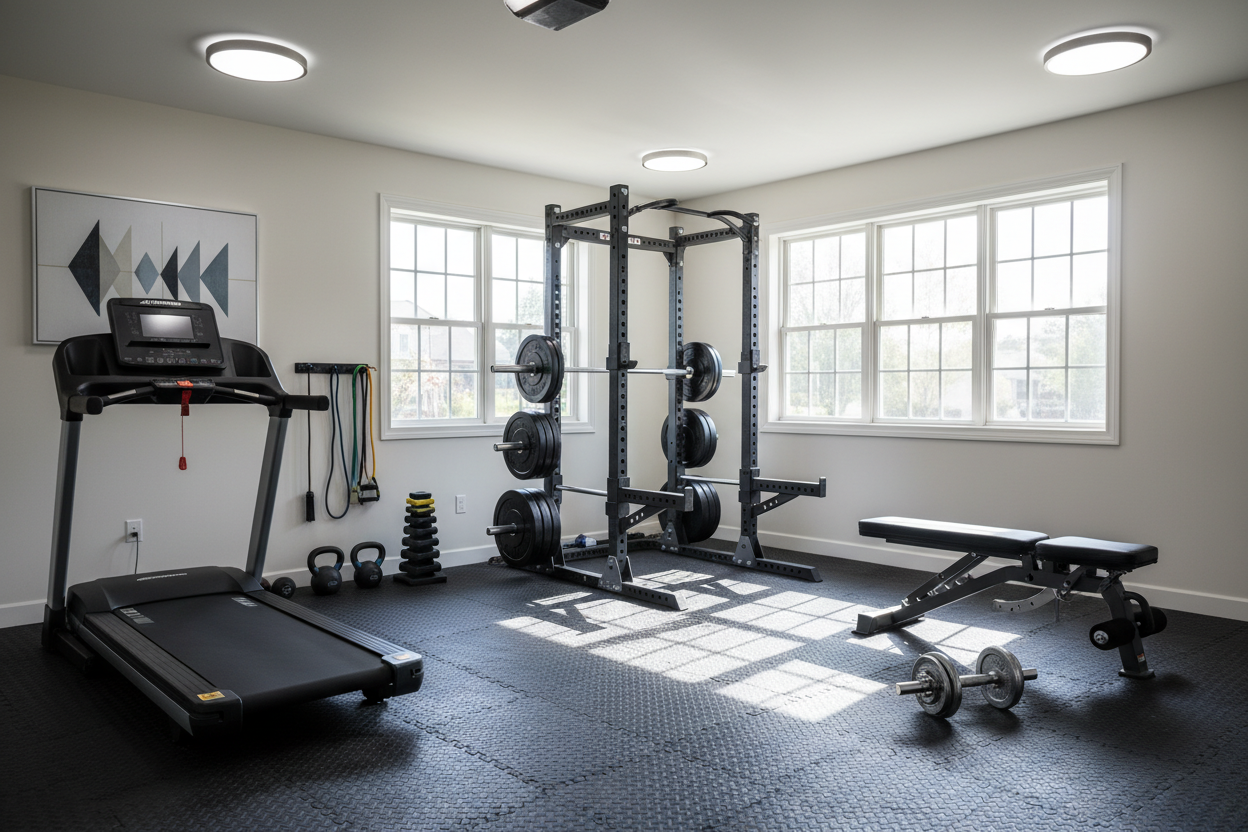
I remember the first time I bought a 'bargain' power rack from an anonymous seller. It looked great in the photos, but when I finally got it bolted together, the uprights felt like they were made of soda cans. One heavy set of squats later, I realized that the logo on the side actually does mean something—usually the difference between a lifetime investment and a dangerous pile of scrap metal. Searching for different brands of fitness equipment can feel like looking at a hall of mirrors. You see the same black powder-coated steel everywhere, but the price tags swing by hundreds of dollars.
Quick Takeaways
- Most budget brands are 'white-labeling' the same factory designs with different stickers.
- Spend your money on items with moving parts; save money on static iron and plates.
- 11-gauge steel is the gold standard for safety and stability in home gyms.
- Avoid 'Instagram brands' that prioritize aesthetics over steel thickness and weld quality.
The Dirty Secret About Equipment Manufacturing
I've seen it a hundred times. You're scrolling through a marketplace and you see a power rack that looks identical to one from a big-name brand, but it’s $300 cheaper. Here is the reality: most brands of gym equipment aren't actually manufacturers. They are marketing companies that pick designs from a catalog at a massive factory in China, slap their logo on it, and ship it to your door. This is called white-labeling.
The problem is that these companies often cut corners on the specs you can't see in a thumbnail. They might use thinner 14-gauge steel instead of 11-gauge, or use plastic bushings where they should have used ball bearings. I Asked A Fitness Equipment Designer Why Cheap Gym Machines Suck, and the answer was simple: real engineering costs money. The top fitness equipment brands actually employ designers to stress-test their gear before it ever hits a container ship.
When You Should Pay for the Name Plate
You don't need to buy the most expensive version of everything. If you are building a Home Gym, you have to prioritize. I don't care if my 45-lb plate has a fancy logo as long as it actually weighs 45 lbs (within a reasonable tolerance). However, when I’m laying on a bench with 315 lbs over my face, I want to know the brand actually engineered the weld and the locking mechanism. These are high-liability items.
The best gym equipments company is usually the one that focuses on structural integrity over flashy paint. For racks, benches, and bars, the brand name represents a history of quality control. If a weight lifting equipment brands list includes names that have been in commercial gyms for 20 years, there is a reason they are still around. They didn't just pop up to catch a trend.
Moving Parts and Heavy Iron
Complexity is where cheap exercise machine brands fail. A cable machine with plastic pulleys will feel like dragging a sled through sand after six months. When you look at something like a Weight Bench Chest Press Machine Independent Arms Z1 Pro, the brand is charging for the R&D that makes those arms move smoothly and independently. High-quality gym machines brands invest in precision bearings and thicker cables that won't snap under tension.
The 'Instagram Brand' Trap
We’ve all seen them: the popular exercise equipment brands that seem to have a massive marketing budget but very little history. They use high-contrast photography and 'limited edition' colorways to distract you from the fact that their equipment is flimsy. These workout machine brands often have zero customer support once the sale is made. If a bolt shears off or a cable frays, you're left with a very expensive clothes hanger.
True professional fitness equipment brands don't need to rely on hype. They rely on spec sheets. If a company won't tell you the gauge of the steel or the weight capacity of their pulleys, keep walking. High quality gym equipment is heavy, overbuilt, and usually comes with a warranty that lasts longer than a few months.
Commercial Heavyweights vs. Garage Gym Legends
There is a divide between gym machine companies that sell to big-box gyms and those that sell to lifters like us. Commercial gym equipment brands like Hammer Strength are built for 24/7 abuse by hundreds of people. For a garage lifter, that’s often overkill and overpriced. However, the top brands of gym equipment for home use have successfully adapted that commercial tech.
For example, you can now get a Smith Machine Home Gym Station that fits in a spare bedroom but still feels like the tank you’d find at a local health club. These top fitness equipment companies have figured out how to provide highest quality gym equipment without the 'commercial' markup, focusing on direct-to-consumer shipping and modular designs.
My 4-Step Checklist for Vetting a New Equipment Company
Before you hand over your credit card to any of the top gym equipment manufacturers, run through this list. I’ve made the mistake of buying based on price alone, and I still have the scarred floor mats to prove it.
- Check the Steel Gauge: If it's 14-gauge, it's for light use. 11-gauge is what you want for serious lifting.
- Verify the Shipping Weight: Compare the weight of their rack to a known gold-standard brand. If it's 50 lbs lighter, they're using thinner steel.
- Read the Warranty Fine Print: A 'lifetime' warranty that only covers the frame but not the 'wear items' like cables is a red flag.
- Test Customer Service: Send them a technical question about hole spacing or bolt size. If they don't answer in 48 hours, they won't be there when your equipment breaks.
FAQ
Who makes the best gym equipment?
There isn't one 'best' for everyone. If you want overbuilt tanks, look at brands that prioritize 11-gauge steel and 3x3 uprights. If you want value, look for brands that have been in the game for at least 5 years and have a solid reputation in the lifting community.
Is high quality gym equipment worth the extra cost?
Yes, especially for items that support your body weight or heavy iron. Cheap benches can collapse, and cheap bars can permanently bend. You're paying for safety and the 'feel' of the movement, which keeps you coming back to train.
What is the most important spec to look for in gym equipment brands?
Steel gauge and hardware size. A rack with 1-inch hardware and 11-gauge steel will always outperform a rack with 1/2-inch hardware and 14-gauge steel, regardless of what the logo says.
Share:
Why the Best Exercises Machine for Home Is Actually Two Things
Which Types of Squat Machines Actually Deserve Your Garage Space?