
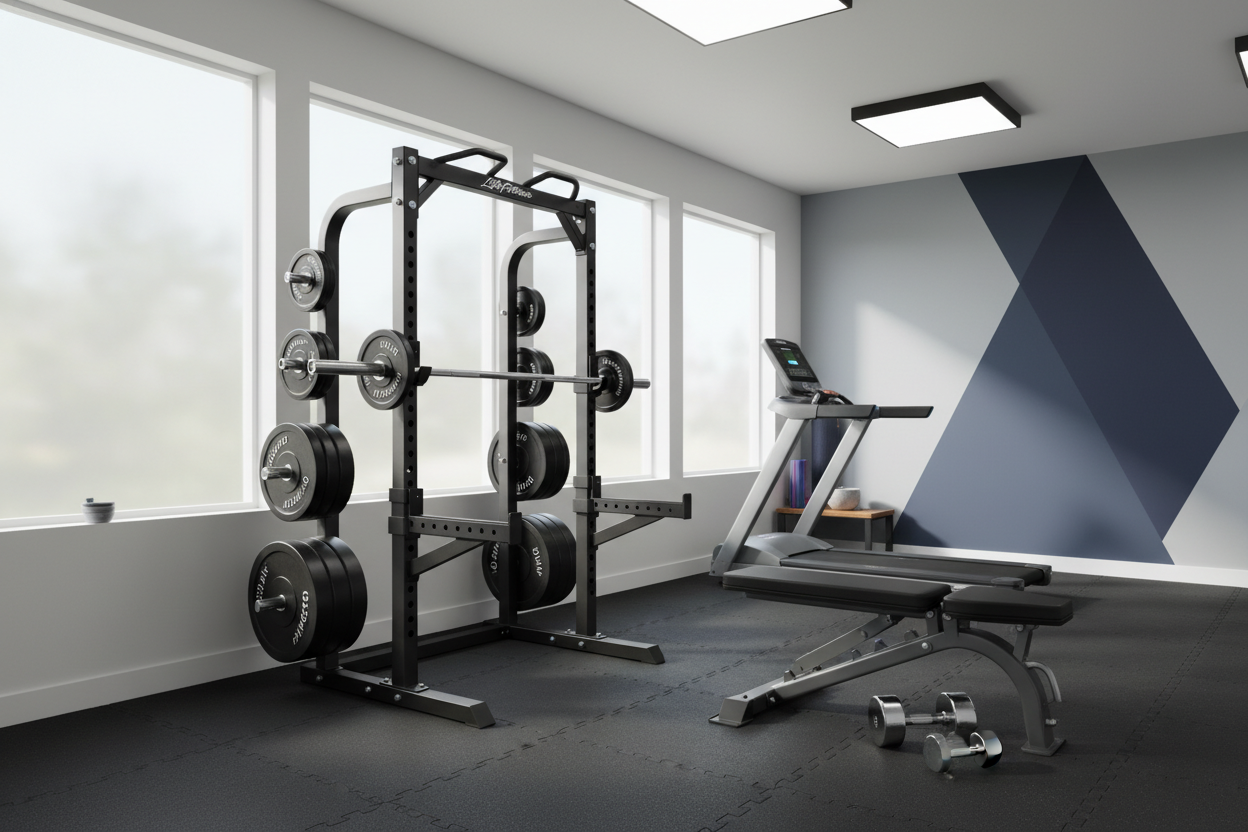
I have spent more time in the back of a rented U-Haul moving 600-pound leg presses than I care to admit. You are scrolling Facebook Marketplace at 11 PM and see a 'commercial grade' treadmill for $400. The photo is blurry, but you recognize that iconic life fitness logo on the side. Before you hook up the trailer and drive two hours, you need to know if you are buying a legacy tank or a computerized headache.
Quick Takeaways
- The logo style is your fastest way to date a machine without finding the serial number.
- Older, blockier logos usually signal mechanical simplicity and easier DIY repairs.
- Modern, sleek branding often comes with integrated touchscreens that are expensive to replace.
- Authentic decals are die-cut; if it looks like a cheap sticker, it probably is.
Why I Always Inspect the Decals Before Buying Used Gear
Commercial gym equipment is built to survive 18 hours of daily abuse from people who do not own it. When that gear hits the secondary market, it is usually because a club is upgrading its fleet. Knowing the visual history of the brand is your ultimate cheat code. It tells you exactly which 'generation' of engineering you are dealing with before you even touch the steel.
I have seen guys buy what they thought was a 'lightly used' treadmill, only to realize the branding dated it back to 2004. The life fitness logo has changed just enough over the decades to serve as a timestamp. If you can read the decals, you can negotiate better. You are not just buying a machine; you are buying a specific era of durability.
The Evolution of the Life Fitness Logo (And What It Tells You)
Life Fitness has been the king of the mountain for a long time. Their branding has evolved from bold, industrial aesthetics to the high-tech, minimalist look you see in Equinox today. Identifying these eras helps you avoid the 'tech trap'—buying a machine where the electronics will fail long before the frame does.
The 'Golden Era' of Indestructible Steel
If you see the bold, blocky red and black logo on a silver frame, you have found the sweet spot. This era, roughly the late 90s through the mid-2000s, produced the Pro2 series and the classic 95T treadmills. These machines were overbuilt. They used heavy-gauge steel and simple pulleys that any handy person can fix with a wrench and some silicone spray.
I prefer these for home gyms. They do not require a constant internet connection to function. You get a heavy weight stack, smooth cables, and a frame that will outlive your house. The branding is loud, but the build quality is louder.
The Modern Era of Connected Tech
The newer life fitness logo is sleeker, often monochromatic or featuring a more refined font. This indicates the machine likely belongs to the Elevation or Integrity series. While these look beautiful in a modern garage, they are heavily computerized. We are talking about tablets built into the consoles.
If that screen dies, you are looking at a $1,000 repair bill. For a commercial club, that is a tax write-off. For you, it is a very expensive clothes rack. If you see the modern branding, check the console software version immediately.
Spotting Counterfeits and 'Frankengear'
The used market is shady. I have seen 'no-name' Chinese imports with a Life Fitness decal slapped on the shroud to double the price. Look at the edges of the logo. Authentic branding is usually heat-pressed or high-quality die-cut vinyl. If it looks like a sticker from a craft store, walk away.
When comparing brands of fitness equipment, you have to realize that the badge is only as good as the frame underneath. 'Frankengear' is when a seller takes a Life Fitness frame and replaces the high-quality pulleys with cheap plastic ones. Always check if the hardware matches the prestige of the logo.
Does the Badge Actually Change the Workout?
A logo does not make a machine move smoother, but the engineering standards of that era do. Older Life Fitness gear often used different cam profiles for their strength pieces. This changes the resistance curve throughout the lift. Newer models might feel 'smoother' because of better belt tech, but the raw feel of an older cable machine is hard to beat.
Specs vary wildly across generations. I actually weighed every Life Fitness Smith machine bar across three different gym locations once and found a 5-pound variance depending on the year of the logo. Do not assume 'Standard Life Fitness' exists; every era has its own quirks.
My 3-Step Checklist for Evaluating Used Commercial Machines
Before you hand over the cash, do these three things regardless of how pretty the logo looks. First, run your hand along the cables. If you feel any 'nicks' or fraying, that is a $50 replacement and a safety hazard. Second, check the guide rods for scoring. Deep scratches mean the machine was never lubricated, and the bushings are shot.
Third, test the weight stack at the highest and lowest settings. It should feel identical. If it catches or hitches, the frame might be tweaked. A genuine life fitness logo is a mark of quality, but it cannot fix ten years of neglect in a humid basement.
Used Gear FAQ
Is older Life Fitness equipment better than new?
For home use, often yes. Older models are more mechanical and easier to maintain without proprietary software or expensive touchscreen replacements.
How can I tell if a Life Fitness machine is fake?
Check the serial number plate, usually located near the power cord or the base of the frame. If there is no metal plate with a stamped ID, it is likely a knockoff.
Do they still sell parts for machines with the old logo?
Yes. One of the best things about the brand is the massive secondary parts market. You can still find cables and pads for 20-year-old machines easily.
Share:
Your Knees Will Love a Resistance Squat Machine (But Your Ego Won't)
Every Type of Squat Machine at the Gym, Ranked by Quad Growth