
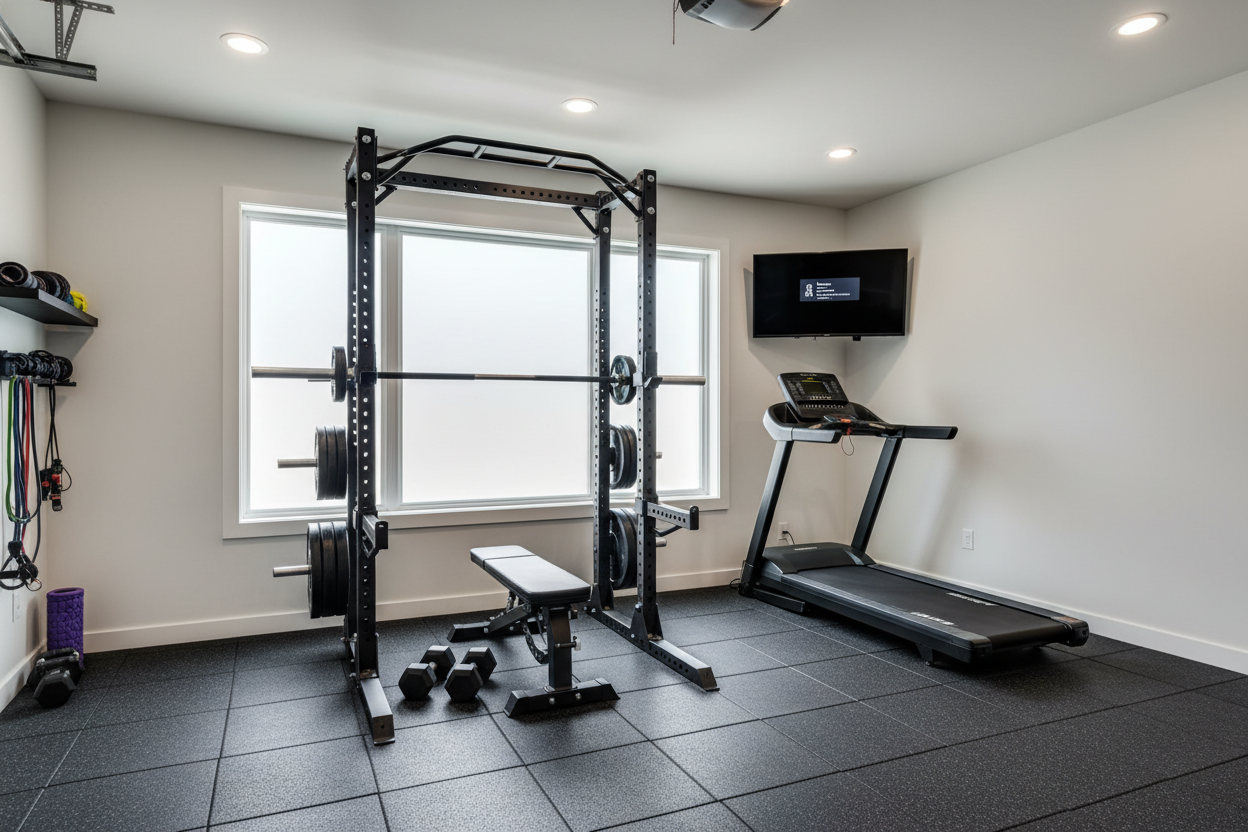
I spent two grand on what I thought was a dream setup. Instead, I got a pile of scrap metal that rattled every time I racked a bar. Buying gymnasium and exercise equipment shouldn't feel like a gamble, but most fitness stores online treat it like one. I fell for the flashy ads and the 'professional' photos, only to realize that the barbell I ordered was about as straight as a pool noodle.
Quick Takeaways
- Shipping weight is the only spec that doesn't lie.
- 11-gauge steel is the standard; anything higher (like 14-gauge) is for clothes hangers, not squats.
- Avoid 'all-in-one' machines from brands you've never heard of.
- If the price seems too good to be true, you're buying hollow tubes.
Why I Stopped Trusting Random Fitness Gear Websites
I remember the night clearly. I was scrolling through various fitness gear websites at 2 AM, convinced that I had found a loophole in the market. I saw an ad for a full power rack, a bench, and a set of plates for a price that made my local used gear shop look like a rip-off. The photos showed a guy who looked like a pro bodybuilder smashing out reps. I hit checkout, thinking I had won the online gym equipment shopping game.
Three weeks later, a battered box arrived. As I started bolting the uprights together, I realized the 'steel' was so thin I could practically dent it with my thumb. The powder coating was already flaking off, exposing raw, rusted metal underneath. This wasn't a piece of equipment; it was a liability. It wobbled with just 135 lbs on the bar. That was the moment I realized that most exercise machines online are designed for the photo shoot, not the actual workout. I ended up selling that junk for scrap and starting over, but the lesson cost me a lot more than just money.
The 'Commercial' Illusion Used to Sell Home Gym Equipment Online
Retailers love the word 'Commercial.' They slap it on every piece of home gym equipment online to justify a price hike or to mask a lack of quality. Here is the reality: if a rack claims to be commercial grade but weighs 100 lbs and uses 2x2 inch uprights, it is lying to you. Real commercial gear is overbuilt, heavy, and usually uses 3x3 inch 11-gauge steel. It is meant to be abused by hundreds of people a day, not just sit in your garage.
When you are looking for gym equipment for home online, you have to look past the adjectives. Don't look for 'heavy-duty' or 'pro-style.' Look for the actual steel dimensions and the weight capacity. Most home fitness equipment online is built to a price point, not a performance standard. If you want a setup that actually lasts, you should be looking at legitimate home gym setups from brands that actually list their hardware sizes and steel thickness. A real commercial-grade rack will often weigh 300 lbs or more just for the frame. If the shipping manifest says 85 lbs, you are buying a toy.
3 Non-Negotiable Rules for Buying Exercise Machines Online
I have a simple vetting process now. First, I check the steel gauge. If it's not 11-gauge or at least 12-gauge, I move on. Second, I look at the hardware. If the bolts are smaller than 5/8 inches, the rack is going to sway like a palm tree in a hurricane. Third, I check the hole spacing. If it doesn't have Westside spacing (1-inch gaps) in the bench zone, it's outdated tech. These specs are the only way to filter through the noise when browsing home exercise equipment online.
Look at the Shipping Weight, Not the Marketing Specs
The shipping weight is the ultimate lie detector. When you buy equipment fitness gear, the manufacturer can claim a 1,000-lb weight capacity all day long because there is no 'Weight Capacity Police' checking their math. However, they cannot lie to the shipping carrier about how much the box weighs. If you are buying a functional trainer and the total weight is only 200 lbs, that machine is going to be made of thin-walled tubing and plastic pulleys. A quality machine needs mass to stay stable. If it's light enough for one person to carry the whole box easily, it's not going to survive a heavy session.
Beware the 'Do-It-All' Contraptions
I see these 'monster' machines all over online gym products catalogs. They promise a leg press, a lat pulldown, a Smith machine, and a power rack all in one 4x4 foot space. It sounds efficient, but it is usually a maintenance nightmare. The cables are often poor quality, and the transitions between exercises are clunky. If you really need that kind of versatility, invest in a legitimate Smith machine home gym station from a brand that specializes in them. At least then you know the pulleys won't snap the first time you try to go heavy on a row.
Start Simple Before Expanding Your Setup
My biggest mistake was trying to buy everything at once from the cheapest source possible. I wanted the full gymnasium look on a basement budget. Now, I tell everyone to buy the best version of the basics first. You don't need twenty different machines to get strong. You need a solid rack, a good bar, and some plates. Building a garage gym is a marathon, not a sprint. You are better off with a high-quality barbell and a few plates than a room full of wobbly machines that you're afraid to use.
Take your time and do the research. Don't let a flashy website or a 'limited time' countdown timer pressure you into a bad purchase. Most of the best home gym fitness equipment is incredibly simple. It’s just heavy steel and good engineering. If a brand spends more on their Instagram ads than they do on their spec sheets, keep your credit card in your wallet. Buy once, cry once. It's much cheaper than buying junk twice.
FAQ
What is the best steel gauge for a power rack?
11-gauge steel is the gold standard for home and commercial use. It’s roughly 1/8 inch thick and provides the structural integrity needed for heavy lifting. Avoid 14-gauge if you plan on squatting more than 200 lbs regularly.
How can I tell if a fitness website is a scam?
Look for a physical address and a phone number. Check if they have a presence on social media where real people are tagging them in photos. If the prices are 50% lower than everywhere else and they only accept weird payment methods, run away.
Is 'Commercial Grade' actually better?
Usually, yes, but only if it’s actually commercial grade. True commercial equipment is built to withstand 12+ hours of daily use. For a home gym, 'Light Commercial' is often the sweet spot—it offers the durability of a pro gym without the massive footprint and price tag.
Share:
I Stopped Trying to Build a Commercial Dumbbell Set Gym at Home
Why I Regret Not Buying a Complete Dumbbell Set Day One