
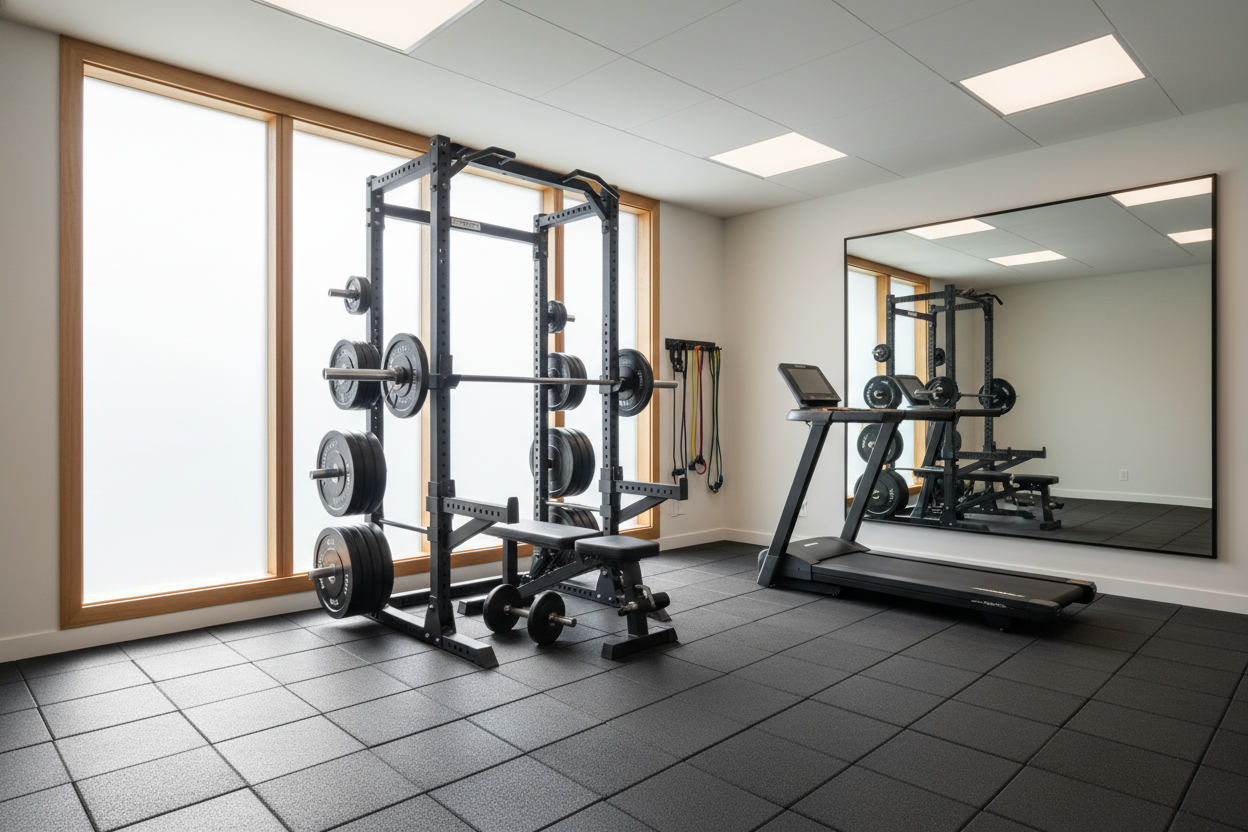
I spent three hours last night comparing the gauge of steel on two different power racks while my coffee went cold. We have all been there—scrolling through endless specs, reading reviews that sound like they were written by robots, and wondering if that 'heavy-duty' bench is actually going to wobble the second you unrack 225. I realized I was tired of the guessing game, so I decided to hit the road and visit some gym equipment shops to see if the brick-and-mortar experience still holds weight.
Quick Takeaways
- Testing knurling and pulley drag in person prevents 'buyer’s remorse' on big-ticket items.
- Shipping costs on iron plates and racks often wipe out any perceived online savings.
- Local showrooms allow you to negotiate bundles and snag floor models for a steal.
- Small accessories (bands, collars) are still best bought online, but heavy iron belongs in the shop.
The Lost Art of Testing Gear in Person
The biggest flaw with the online model is that you cannot feel the equipment. You can read 'aggressive knurling' in a product description, but you won't know if it’s going to cheese-grater your hands or feel like wet soap until you actually grip the bar. When you shop for fitness equipment in person, you get to do the 'shake test' on a rack to see if those 5/8-inch bolts are actually doing their job.
I’ve bought 'commercial grade' pulleys online that felt like they were filled with sand. In a showroom, you can pull the handle and feel the literal friction. If the cable doesn't glide like butter, you walk away. You can't do that with a digital cart. When you buy gym products locally, the specs become real. A 3x3-inch upright isn't just a number; it’s a massive chunk of steel you can physically lean on.
Brick-and-Mortar vs. E-Commerce (The Real Price Difference)
The internet loves to brag about low prices, but those prices usually hide a monster in the closet: freight shipping. A power rack might be listed for $600 online, but once you add $250 for residential delivery with a liftgate, you’re looking at a $850 bill. Local gym equipment shops often have those shipping costs baked into a lower total, or they offer free local pickup.
Shipping Heavy Iron Changes the Math
Let’s talk about iron. If you are buying 400 lbs of Olympic plates, the shipping alone can cost as much as a high-end barbell. I’ve seen 'budget' plates that ended up costing $2.50 per pound after shipping, while the local shop had premium urethane-coated plates for $2.00 per pound sitting on the floor. When you shop fitness equipment locally, you are your own delivery driver, which keeps that cash in your pocket for more gear.
What to Look for When You Walk Into a Showroom
Don't just look at the paint job. When you enter a showroom, look at the welds. Are they clean and 'stacked like dimes,' or do they look like a bird had an accident on the steel? Check the hole spacing on the racks. If it isn't Westside spacing in the bench zone, you might struggle to find the right safety height. If you are looking at a smith machine home gym station, run the bar up and down the entire track. Any catch or vibration at the top is a sign of poor alignment that will only get worse under load.
Measure the footprint yourself. Showrooms are huge and make equipment look small. Bring a tape measure to ensure that six-post rack actually fits in your 10x12-foot spare room without trapping you in the corner.
Negotiating With Local Retailers (Yes, You Can)
Online retailers have rigid pricing. Local shops have managers who want to move inventory. If you are looking to replicate Fitness 19 equipment on a garage gym budget, your best bet is the bundle. Tell the salesperson you want the rack, the bench, and the plates, and ask for a 'package price.' Most of the time, they will knock 10-15% off the total just to close the sale.
Also, keep an eye out for floor models. These units are already assembled (saving you three hours of labor) and often come with a massive discount because they have a few scratches from people like me testing the knurling.
The Final Verdict: When to Buy Local vs. Online
For the small stuff—mini-bands, chalk, fractional plates, or specialized cable attachments—stick to the web. The variety is better and shipping is negligible. But for the foundation of your home gym, nothing beats the local shop. You get to see the true color of the powder coat, test the seat pad density, and drive home with your gear the same day.
Personal Experience: The 'Budget' Barbell Blunder
I once ordered a 20kg bar online because it was $100 cheaper than the one at my local shop. It arrived in a cardboard tube that looked like it had been through a war zone. The bar had a slight permanent bend right out of the box. Returning a 7-foot piece of steel is a nightmare. I ended up keeping it for landmine work, but I learned my lesson. Now, I buy my primary bars in person so I can spin the sleeves myself before handing over my credit card.
FAQ
Do local shops offer better warranties?
Usually, yes. If a weld snaps on a rack you bought locally, you can often talk to the owner directly rather than waiting 48 hours for a support ticket response from a faceless website.
Can I fit a power rack in my SUV?
Most racks come flat-packed in boxes around 7 to 9 feet long. If you can fold your front passenger seat down, you can usually haul a rack home yourself and save that $200 shipping fee.
Are local prices always higher?
The sticker price might look higher, but once you factor in the 'iron tax' (shipping weight), the local shop is almost always competitive or cheaper for heavy items.
Share:
I Ditched My Membership to Build a Real Gym at Home
Your Spare Room Isn't a Garage: Indoor Gym Equipment for Home