
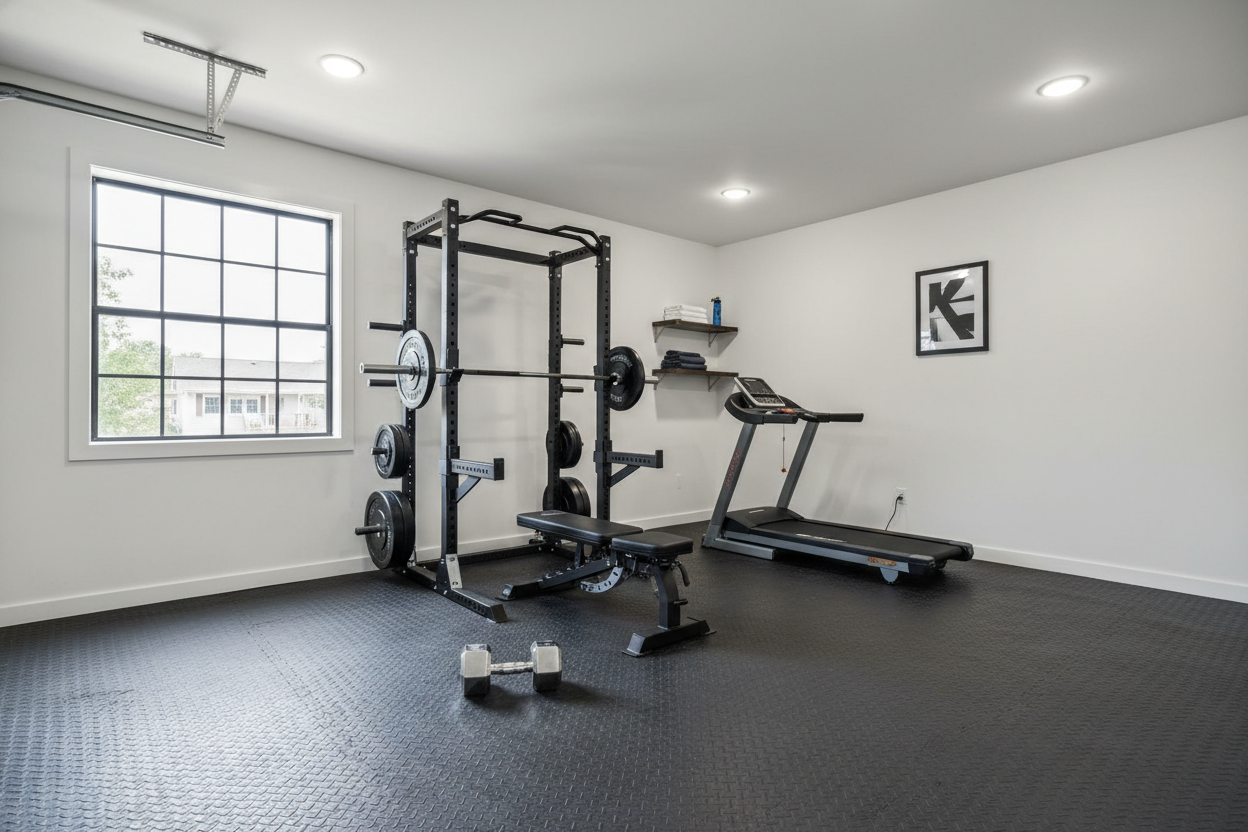
I remember the first time I set up my garage gym. I had a decent barbell, about 300 pounds of iron plates, and a rack that I’d bolted into the concrete myself. I was staring at the remaining space, checking my bank account, and asking myself: do i need a bench for home gym sessions right now, or can I just keep pressing off the floor? I spent three months avoiding the purchase, and while I got strong, I also realized exactly where the limits are when you don't have a dedicated place to lie down.
Quick Takeaways
- Floor presses are a great bridge, but they limit your range of motion and pec development.
- Powerlifters and bodybuilders shouldn't skip a bench; functional fitness enthusiasts can wait.
- An adjustable bench is almost always better than a flat bench for home use due to versatility.
- Safety is non-negotiable—never buy a bench with a weight capacity lower than your body weight plus your max lift.
The Floor Press Reality Check
If you are just starting out, you might think you can hack your way to a massive chest by doing floor presses. I did this for a full twelve-week block. The floor press is a legit movement—it’s a staple for powerlifters looking to improve their lockout. Because your elbows hit the concrete before the bar reaches your chest, it forces your triceps to do the heavy lifting. It’s a great way to build raw pressing power without the shoulder strain that sometimes comes with deep-range benching.
However, the floor press has a massive ceiling. You’re missing the bottom third of the movement, which is where the pectorals are most engaged. If your goal is hypertrophy (building muscle size), you are leaving gains on the table every single session. Also, getting into position for a heavy floor press without a rack is a nightmare that usually involves a dangerous 'belly toss' or awkward rolling. Unless you’re strictly training for overhead strength or sport-specific tricep power, the floor is a temporary fix, not a permanent solution.
Is a Workout Bench Worth It for Your Specific Goals?
Deciding if a workout bench is worth it depends entirely on what you’re trying to achieve. If your garage is a temple for CrossFit-style metcons, kettlebell flows, and Olympic lifting, a bench might just end up being an expensive place to set your water bottle. I’ve seen guys spend $400 on a competition-grade flat bench only to use it once a month because they’d rather be doing thrusters or snatches. In that case, save your money and buy a better row machine or a set of rings.
On the flip side, if you want to fill out a t-shirt or compete in powerlifting, the ROI on a bench is huge. It’s the only way to get the mechanical tension required for serious chest growth. It also opens up a world of accessory work: seated curls, dumbbell rows, box squats, and Bulgarian split squats. When you start looking at prices, you’ll see a massive range. You might wonder do you really need a $500 bench for working out at home or if a budget option from a big-box store will suffice. My advice? Don't go for the cheapest thing on the market. A bench that wobbles while you have 225 pounds over your face isn't just annoying; it’s a trip to the hospital waiting to happen. Buy once, cry once.
Should I Buy a Bench Press Station or Just Keep It Simple?
This is the classic debate: do you buy a standalone bench or a full pressing station with integrated uprights? If you already own a power rack or a squat stand, buying a standalone utility bench is the smartest move. It gives you the flexibility to move the bench out of the way for squats or pull-ups. A standalone bench is also easier to store if you're working in a tight one-car garage where every square inch is prime real estate.
However, if you don't have a rack and don't plan on getting one, a multi function bench press set is a viable alternative. These stations are specifically designed to hold the barbell for you, providing a safer way to unrack and rerack heavy weight. The downside is that they are usually 'married' to the spot. You can't easily move them to do other exercises, and they often have a larger footprint than a simple pad. For most home lifters, a high-quality adjustable bench paired with a solid squat rack is the gold standard for versatility.
When to Upgrade to an Adjustable Setup
If you're going to buy a bench, I almost always recommend an adjustable one over a flat one. While flat benches are incredibly stable and usually cheaper, they limit you to one angle. An incline press is essential for targeting the clavicular head of the pectorals (the upper chest). Without that incline angle, your chest development will eventually look bottom-heavy. A solid adjustable weight bench OWB01 handles heavy incline work without that terrifying 'side-to-side' wobble that cheap benches have.
Look for a bench with a ladder-style adjustment rather than a cheap pull-pin. Ladder adjustments are faster to change between sets and generally more secure under heavy loads. Also, pay attention to the gap between the seat and the back pad. A massive gap will swallow your lower back when you're trying to set your arch for a heavy press. A high-quality adjustable bench should feel like a rock, whether it's at a 0-degree flat or a 45-degree incline.
The Final Verdict: Mandatory or Skippable?
So, should I buy a bench press? If you are serious about strength, yes. It is a foundational piece of equipment that you will use in 80% of your upper body workouts. If you're on a budget, start with a floor press for a month or two, but make a bench your very next purchase. Look for a minimum weight capacity of 600 pounds—this sounds like a lot, but remember that includes your body weight plus the bar. A 300-pound capacity bench is actually quite flimsy if you weigh 200 pounds and are pressing 135.
For those who have the budget and the space, a dedicated weight bench chest press machine is the ultimate luxury upgrade. It allows you to isolate the pecs without worrying about a spotter or balancing a heavy barbell. But for 90% of us, a heavy-duty adjustable bench is the sweet spot. It’s the workhorse of the home gym. It’s where you’ll grind out your heaviest sets and where you’ll sit to catch your breath between rounds. Don't overthink it—just buy a sturdy one and start pressing.
Personal Experience: My 'Budget' Mistake
I once bought a $90 bench from an online marketplace because it looked 'fine' in the photos. The first time I tried to do a set of 225-lb presses, the frame flexed so much I thought the legs were going to splay out. I ended up selling it for $20 and buying a commercial-grade flat bench. I lost $70 in the process and nearly lost my teeth. If a piece of equipment is responsible for holding you and a heavy bar off the ground, don't buy the 'budget' version. Buy the 'sturdy' version.
FAQ
Can I use a folding chair or a coffee table instead of a bench?
No. Absolutely not. Household furniture is not designed to handle dynamic loads or the concentrated weight of a human plus a barbell. It will collapse, and you will get hurt. If you can't afford a bench, stick to floor presses or push-ups until you can.
Is a flat bench or an adjustable bench better for a small garage?
An adjustable bench is better for small spaces because it performs the job of two or three different pieces of equipment. You can do flat presses, incline presses, and seated overhead presses all on the same footprint.
How much weight should a home gym bench hold?
Look for a total capacity of at least 600 lbs. This ensures the steel is thick enough (usually 11 or 12 gauge) to handle the vibrations and shifts of a heavy workout without developing structural fatigue over time.
Share:
Can a Foldable Weight Bench Under Bed Survive Heavy Lifts?
Stop Paying Premium Prices for Custom Home Gym Equipment