
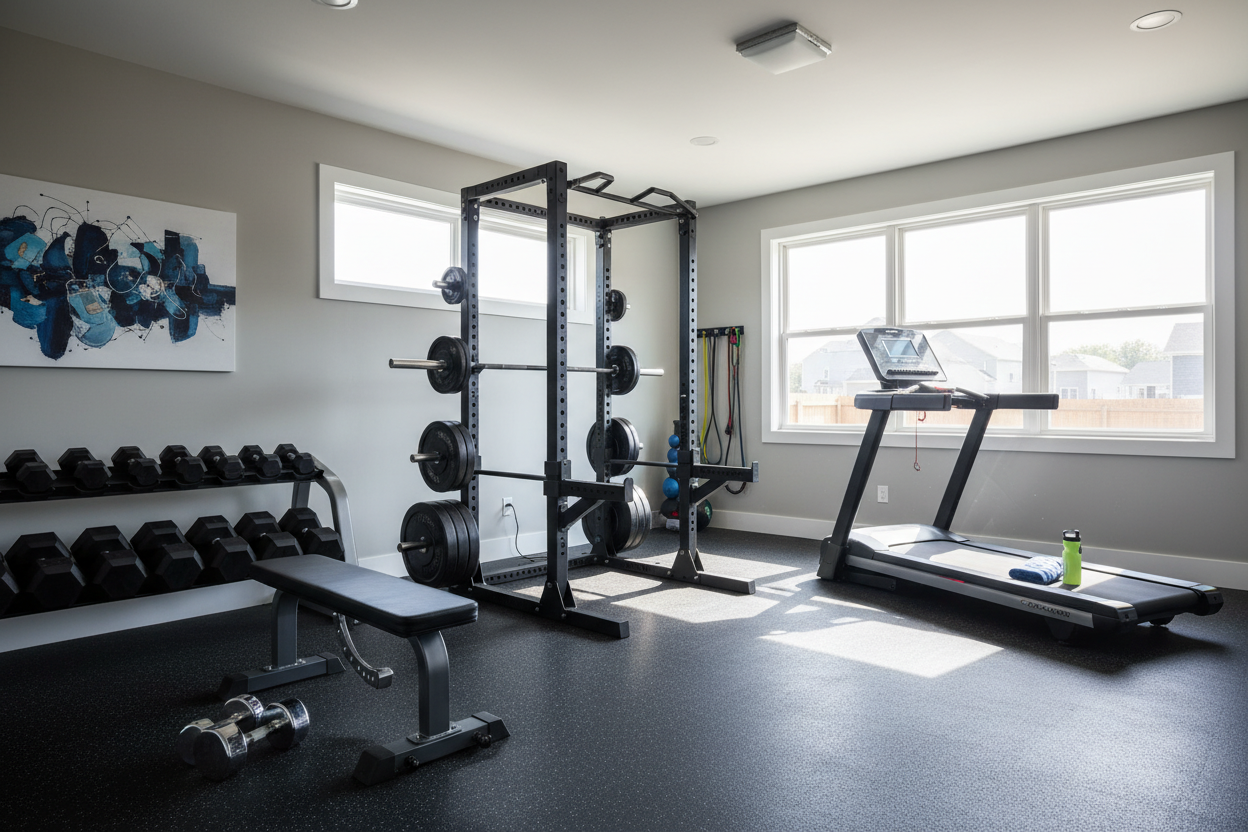
You are scrolling through fitness machines stores at 11 PM, trying to find a power rack that won't bankrupt you. The photos look incredible—sleek black powder coat, massive-looking uprights, and a price tag that seems like a total steal. I have been there, and I have also been the guy swearing at a pile of thin-walled tubing that arrived in a box the size of a pizza delivery.
Quick Takeaways
- Photos lie; 3D renders are not reality.
- Heavier is almost always better in the gym equipment world.
- Static weight capacity is a marketing gimmick designed to hide thin steel.
- Always check the return shipping policy before you click 'buy'.
The Glossy Photo Trap You Keep Falling For
Online retailers are masters of forced perspective. They will use a 5-foot-tall model or tiny 10-lb bumper plates to make a flimsy rack look like a commercial-grade beast. If you do not see a person of average height standing next to the machine, you have no reference for scale. Most of what you see in budget shops are 3D renders, not actual photos of the product in a real gym.
These renders hide the ugly truth: messy welds, plastic pulleys, and bolts that look like they belong on a IKEA bookshelf. I have seen machines that look like they could survive a tank blast on screen, only to realize the uprights are barely two inches wide once they are in my driveway. If the store does not show close-ups of the hardware, they are hiding something.
Why Shipping Weight is the Ultimate Lie Detector
The spec sheet might lie about 'commercial grade' quality, but the shipping carrier does not. Steel has a fixed weight. If you are looking at a Smith machine home gym station and the total shipping weight is only 150 pounds, you are buying a vibrating mess. A real, stable Smith machine should be a nightmare for the delivery driver.
I always look for the 'Product Weight' or 'Shipping Weight' before I even look at the price. If a multi-station gym claims to have a 500-lb capacity but weighs less than I do, the physics just do not work. Heavy iron stays put; light tin cans slide across your floor when you are mid-set. Do not let 'free shipping' lure you into buying a lightweight paperweight.
Decoding the Spec Sheet Like a Metal Worker
Retailers love the phrase '1,000-lb Static Capacity.' It sounds impressive until you realize 'static' means the weight is just sitting there, not being dropped or moved. It is a meaningless number if the frame is made of 14-gauge steel. For anything you are standing under, you want 11-gauge steel. It is thicker, heavier, and won't turn into a pretzel if you miss a bail.
I once tested the cheapest fitness equipment online and watched a 'heavy duty' bench buckle under a load it was supposedly rated for. The issue wasn't the design; it was the thin walls of the steel and the tiny grade-5 bolts that sheared under pressure. If a store doesn't list the steel gauge, assume it is the thinnest stuff they could find.
Moving Parts vs. Static Iron: Where Online Shops Cut Corners
Buying a stack of iron plates or a basic squat stand is usually safe. It is hard to mess up a solid hunk of metal. However, the moment you add cables, pulleys, or resistance systems, the risk of buying junk skyrockets. Cheap shops use plastic bushings instead of ball bearings, which makes every rep feel crunchy and inconsistent.
Take a foldable upright exercise bike as an example. The frame needs to be sturdy, but the internal magnetic flywheel and the belt drive are where the quality actually lives. If those internal components are plastic garbage, the bike will start squeaking within a month. When shopping online, zoom in on the pivot points and cable housing. If it looks like plastic, it will perform like plastic.
My 3-Step Filter for Buying Gear Sight Unseen
Before you hand over your credit card, do three things. First, check the warranty—if it is only 90 days, the manufacturer does not expect it to last a year. Second, find the return policy. Many shops offer returns but require you to pay shipping, which can cost more than the machine itself. Third, look for 'user photos' on social media or forums, not the curated ones on the store's site.
Deciding between Local Gym Equipment Shops vs. Online: Who Actually Wins? usually comes down to your tolerance for risk. If you want to touch the steel first, go local. If you want the best price, go online, but go in with your eyes open. Building a reliable home gym is about buying gear that lasts a decade, not gear that ends up in a landfill by next summer.
FAQ
Is 14-gauge steel okay for a home gym?
For light accessories or a dip station, it is fine. For a squat rack or anything holding 300+ pounds over your head? Absolutely not. Stick to 11 or 12-gauge for the big stuff.
Why do some machines have such high weight capacities if they are cheap?
Marketing departments use 'static' weight, which is the weight the frame can hold without collapsing while perfectly still. It does not account for the force of you dropping a barbell or shifting your weight during a lift.
What is the biggest red flag on a fitness website?
Missing specs. If they don't list the steel gauge, the footprint dimensions, or the total weight of the machine, they are hoping you just buy based on the pretty picture.
Share:
I Tested 5 Pieces of Affordable Cardio Equipment (Only 1 Survived)
Is the TAG Smith Machine Bar Weight Actually 45 Pounds?