
I’ve been there. It’s midnight, you’re scrolling through fitness ads, and you see it: a shiny, all-in-one arm weight set promising to turn your toothpicks into tree trunks for under a hundred bucks. It looks like a steal. You get the EZ-curl bar, the spin-lock collars, and a handful of plates. But before you hit 'Buy Now,' let me tell you what actually happens when that box arrives on your doorstep.
- Plastic-coated, sand-filled plates are too bulky for a full range of motion.
- The thin, hollow bars usually have a weight capacity lower than your actual potential.
- Spin-lock collars are a nightmare for fast-paced supersets.
- You will outgrow the total weight in these kits faster than you think.
The Trap of the 'Bicep Blaster' Kit
Fitness marketing is a masterclass in selling shortcuts. These kits are designed to look like a professional setup in a 1-inch thumbnail, but they are built for the casual hobbyist who might use them twice a year. They prey on the 'beach body' obsession by packaging low-grade materials into a hyper-specific kit.
The reality is that your biceps and triceps don't need a special, dedicated bar to grow. They need progressive overload. When you buy a kit that tops out at 40 or 50 pounds, you’re hitting a ceiling within weeks. You end up with a pile of plastic plates that take up too much room and don't provide enough resistance for real growth.
What I Found Inside a Cheap Arm Setup
I’ve handled enough of these sets to know the 'chrome' finish is usually just a thin coating that starts flaking off the moment you slide a plate on. Those flakes are sharp, too—I’ve had more than one metal splinter from a budget bar. The collars never stay tight, meaning you spend half your rest period tightening a plastic nut so the weights don't wobble during your curls.
It reminds me of when I dissected a budget weight machine set and found hollow tubing where there should have been solid steel. These arm kits are the same. They use 1-inch standard holes instead of the 2-inch Olympic standard, which means you can't even use these plates on a real barbell later. You're buying into a dead-end ecosystem.
How to Actually Build Arms at Home (Without the Clutter)
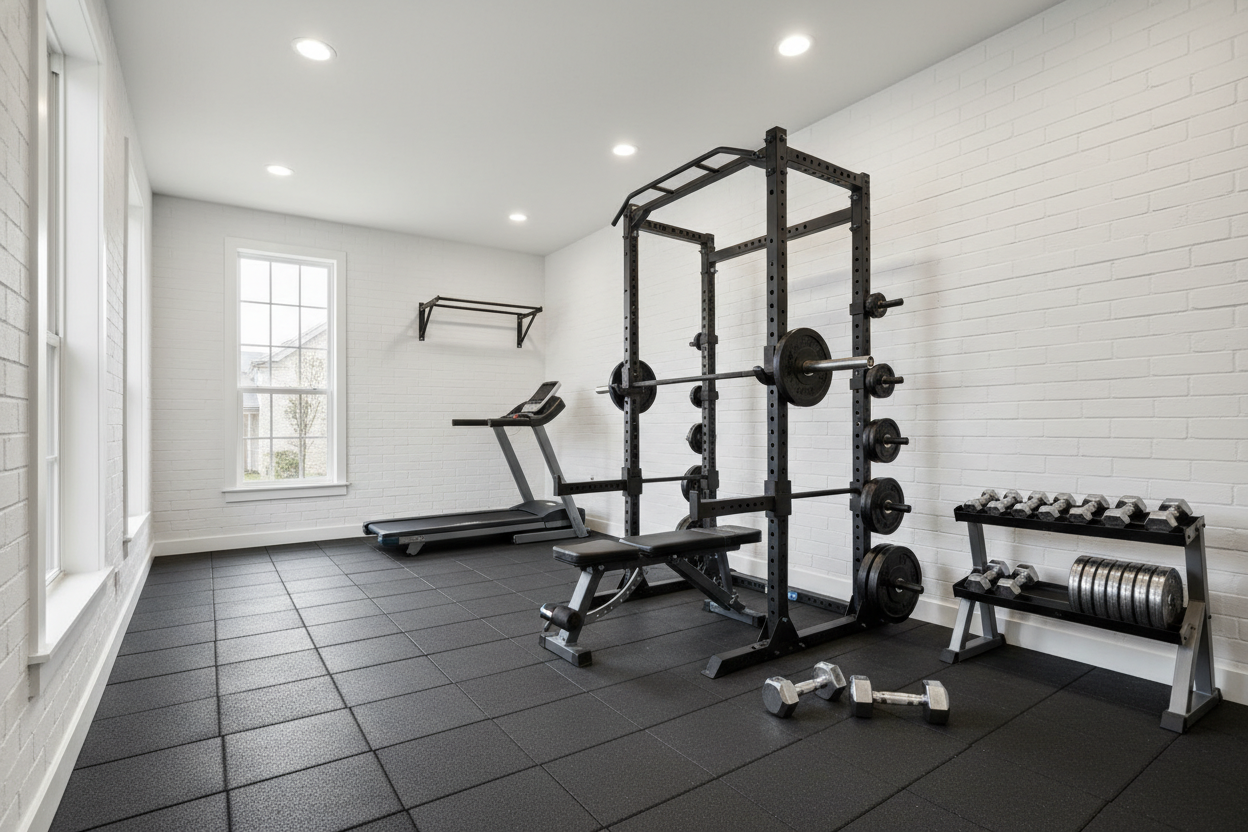
If you want real results, stop looking for a 'kit' and start looking for versatility. A pair of loadable Olympic dumbbell handles or a single solid EZ-curl bar is a much better play. Pair that with a sturdy weight bench and you have a legitimate arm station that doesn't feel like a toy.
For real isolation, you need angles. I always recommend a heavy-duty adjustable weight bench because it unlocks incline curls and overhead tricep extensions. These movements put the muscle under a stretch that standing curls just can't match. You don't need a dedicated preacher curl station taking up 10 square feet of your garage when you can just sit backwards on a quality bench and get the same effect.
The Verdict: Versatility Always Wins
Every square inch in a home gym is premium real estate. If you are building an apartment weight set, the last thing you want is a specialized bar that only serves one purpose and uses proprietary plates. Invest in gear that handles heavy loads and integrates with the rest of your equipment.
Skip the 'bicep blaster' bundles. Buy a solid pair of dumbbells and a bench that won't wobble when you're pushing for that last rep. Your floor space—and your arms—will thank you.
Personal Experience: My $80 Mistake
Early in my lifting days, I bought one of those vinyl-coated sets from a local department store. Within two months, the 'cement' inside the plates started cracking and rattling. I tried to do a heavy set of rows with the bar, and I could literally see it bowing in the middle. I ended up giving it away for free on Craigslist because I couldn't justify the space it took up. I replaced it with a pair of adjustable dumbbells that I still use ten years later.
FAQ
Do I need an EZ-curl bar for big arms?
It helps with wrist comfort, but it isn't mandatory. Straight bars work fine, though some people find the angled grip of an EZ bar allows them to go heavier without joint pain.
Are sand-filled weights okay for beginners?
They are cheap, but they are massive. A 10lb sand plate is twice as thick as a metal one, which limits how many you can fit on the bar and makes the weights feel clunky during movement.
How much weight do I actually need for arms?
Most people will find that 50lbs per hand is plenty for isolation work, but you want equipment that can handle more so you can use it for rows, presses, and lunges too.
Share:
Your Cluttered Gym Setup Design Is Ruining Your Workouts
The Hidden Cost of Buying a Smart Weight Lifting Machine