
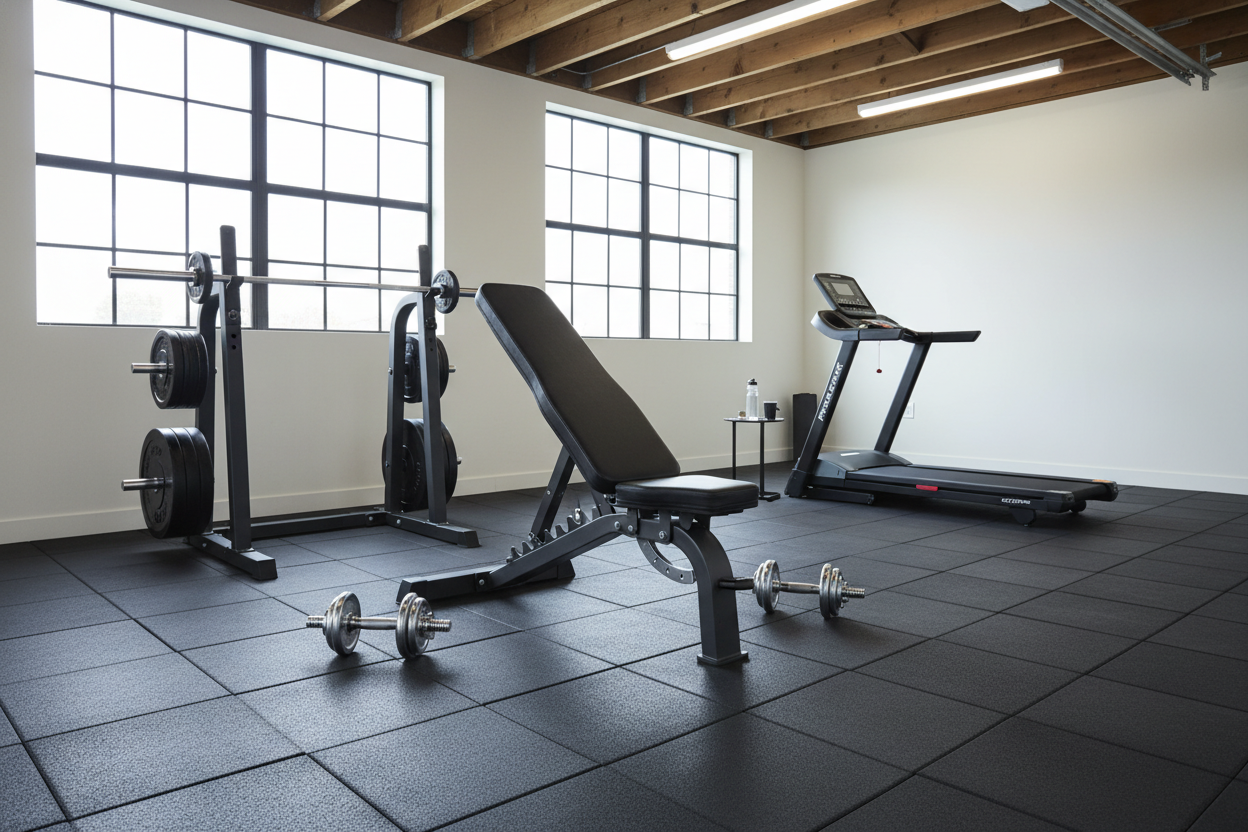
We’ve all been there. You’re walking through a big-box sporting goods store, looking for a pair of socks or maybe some chalk, and you see it: a stack of boxes for the fitness gear pro utility weight bench review. It’s sitting right there. No two-week lead time, no freight shipping costs, and a price tag that doesn’t make your spouse stage an intervention. I’ve spent a decade in my garage with everything from $1,000 competition benches to milk crates, so I bought one to see if it actually belongs in a serious gym.
Quick Takeaways
- Weight Capacity: 600 lbs (combined user and weights).
- Steel: 14-gauge frame, which is standard for budget gear.
- Adjustability: Flat, incline, and a legitimate decline setting.
- Best For: Lifters working with under 300 lbs on the bar.
Why I Decided to Test This Specific Big-Box Bench
The fitness gear pro series utility bench is everywhere. It is the default choice for the guy who just bought his first Olympic set and realizes he can't bench press on the floor forever. Most people buy it because they want to start training today, not three weeks from now when a FedEx driver finally drops a 70-pound box in their driveway. I wanted to see if the convenience of a local pickup was worth the trade-off in build quality.
When you look at the fitness gear pro olympic bench review data online, it’s often mixed. Some people swear it’s all you need, while others claim it’s a pile of scrap metal. I’m somewhere in the middle. At first glance, the 600-pound capacity sounds impressive for a retail bench, but as any experienced lifter knows, static weight capacity and 'I’m-about-to-re-rack-225' stability are two very different things. I put this bench through three weeks of heavy dumbbell work to see where the welds would start to scream.
The Reality of the Assembly Process
Let’s talk about the fitness gear utility weight bench assembly. If you use the tiny wrenches included in the box, you’re going to have a bad time. They are basically made of compressed tin and will strip your bolts before you get them tight. I grabbed my own 14mm and 17mm socket set, and it made the process infinitely smoother. It took me about 45 minutes from opening the box to my first set of curls.
The fitness gear utility weight bench review wouldn't be honest without mentioning the hardware. The bolts are decent, but the tolerances on the frame are a little loose. If you don't tighten things in a cross-pattern, you’ll end up with a wobble before you even sit down. A pro tip for the fitness gear utility weight bench assembly: leave everything finger-tight until the entire frame is connected, then go back and crank them down while the bench is sitting on a flat surface. This helps prevent that annoying 'one leg is shorter than the others' feeling.
Under the Bar: Does It Actually Feel Stable?
This is the part of the fitness gear pro utility bench review that actually matters. When I’m holding 90-pound dumbbells over my face, I don’t care about the paint job; I care about side-to-side sway. On flat bench, it feels surprisingly solid. The tripod-ish leg design gives you enough room for proper foot drive without your heels hitting the frame. However, once you start getting into heavy incline work, you’ll notice a bit of a shimmy.
Compared to the Day 1 Fitness adjustable bench, the Fitness Gear model feels a bit more substantial in the frame, but the seat hinge has more play. When you’re shifting your weight to get into position, the back pad has about a half-inch of lateral movement. It’s not enough to make you fail a lift, but if you’re used to a commercial-grade tank, it will feel a little 'budget.' If you’re a 200-pound guy benching 315, you are pushing the limits of what I’d feel comfortable with on this unit.
Testing the Adjustability and Angles
The fitness gear pro adjustable bench uses a pop-pin system for the back pad and a ladder-style adjustment for the seat. The seat adjustment is great—it keeps you from sliding off when you’re doing incline presses. As a fitness gear decline bench, it actually performs better than most in this price bracket. It includes a foot lockdown bar that tucks away when you don’t need it. It’s not the most comfortable thing for your shins, but it keeps you locked in during decline flys or sit-ups.
The biggest gripe I have with the fitness gear adjustable utility bench is the pad gap. When it’s in the flat position, there is a noticeable space between the seat and the backrest that can hit right at the base of your spine. If you’re sensitive to that, you might prefer the adjustable weight bench OWB01, which has a much tighter pivot point. For most accessory work, though, the Fitness Gear pad is thick enough that you don't bottom out on the plywood base.
The Final Verdict: Who Should Actually Buy This?
After three weeks of abuse, my fitness gear utility bench review is this: it’s a solid 'B' for the average home lifter. If your goals are general fitness, hypertrophy, or you’re just starting your strength journey, this bench is a massive upgrade over the flimsy $80 options you find on Amazon. It’s accessible, affordable, and it won't collapse under a standard workload. It’s essentially a body gear weight bench that has been rebranded and refined over the years.
However, if you’re planning on hitting 400-pound bench presses or you weigh 250+ pounds yourself, you’re going to want something beefier. The 14-gauge steel just isn't meant for elite-level powerlifting. If that sounds like you, I’d suggest skipping the big-box aisle and looking at a dedicated weight bench collection to find something with 11-gauge steel and a 1,000-pound rating. For everyone else? It’s a reliable workhorse that you can go pick up before the gym closes tonight.
FAQ
Is the Fitness Gear Pro bench good for tall lifters?
It’s decent. At 6’1, I didn’t feel like my head was hanging off the end during flat presses. If you are 6’4 or taller, you might find the back pad a little short for your liking.
Does it fold for storage?
No. This is a fixed-frame utility bench. You can pull a few pins to remove the leg developer, but the main frame stays put. It’s not meant to be tucked under a bed.
What is the actual footprint?
It takes up about 53 inches in length and 24 inches in width. It’s compact enough for a spare bedroom but heavy enough that it won't slide around on rubber flooring.
Share:
I Cut My Home Exercise Equipment List Down to Just 4 Items
Is a USA Pro Weight Set Tough Enough for a Real Garage Gym?