
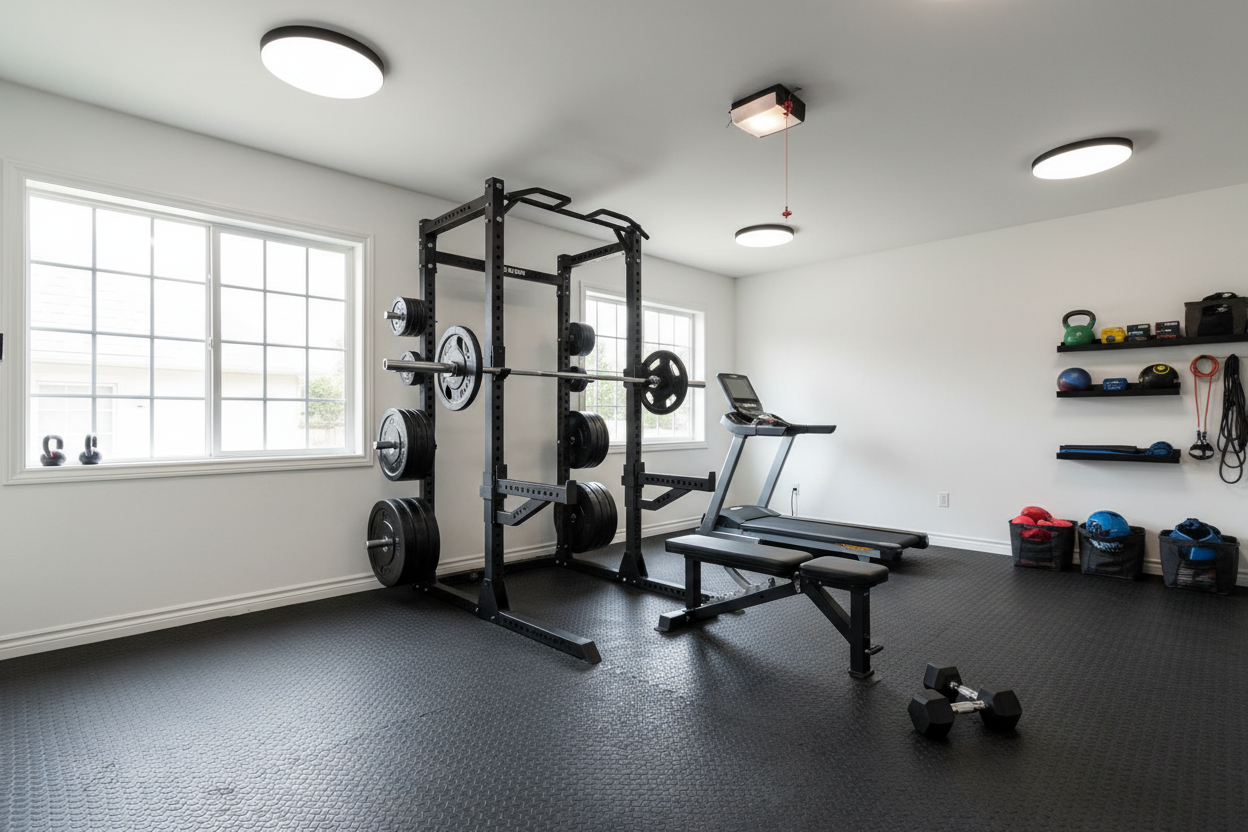
I remember the first time I felt like a total sucker in this industry. I had just dropped six bills on a 'pro-grade' power rack from a flashy new brands for gym equipment I found on Instagram. Two weeks later, I walked into a budget sporting goods store and saw the exact same rack—same holes, same J-cups, same textured black powder coat—for half the price. Only the logo was different.
It is a wake-up call every home gym owner eventually faces. Most fitness equipment companies are not actually manufacturing anything. They are shopping from a catalog, picking a color, and asking a factory in China to slap a sticker on the uprights. If you want gear that survives a decade of heavy triples, you have to know who is actually melting the steel and who is just running a marketing agency.
Quick Takeaways
- White-labeling is the industry standard; most mid-tier brands buy from the same three or four overseas factories.
- Fabricators (the real makers) usually work with domestic steel and offer custom colors or configurations.
- Importers offer better value on 'dumb' gear like plates and benches, but quality control varies wildly.
- Always check the shipping weight and steel gauge—marketing fluff cannot hide thin, 14-gauge tubing.
The Dirty Secret of White-Label Fitness Gear
The fitness industry is built on a massive lie called white-labeling. When you browse for a new workout equipment brand, you will notice that five different companies sell a squat stand that looks identical. That is because it is. They all come from the same massive factories that produce thousands of units a month. These weight equipment companies just pick 'Option A' from a PDF catalog and pay for custom boxes.
This is why you see so many 'pre-order' sales. These companies do not have the gear in a warehouse; they are waiting for a shipping container to cross the Pacific. The problem is not necessarily the quality—some of these factories are top-tier—but the lack of accountability. If a weld fails, the brand cannot fix it. They just send you a whole new part and hope the next one was welded by someone having a better day.
Fabricators vs. Importers: Knowing Who You Are Buying From
A true fabricator is a different beast. These are the weight lifting equipment companies that own the lasers, the CNC machines, and the welding robots. When you buy from a fabricator, you are usually getting 11-gauge steel, 3x3-inch uprights, and oversized hardware. They charge more because domestic labor and high-grade steel are expensive, but that rack will outlive you.
I spent years finding the best weight equipment by trial and error, and the biggest lesson was checking the origin of the steel. Importers rely on high-volume catalog orders to keep costs down. They are great for saving money, but they rarely innovate. They wait for the big fabricators to design something cool, then they copy it six months later with thinner steel and cheaper powder coating.
When It Actually Makes Sense to Buy From an Importer
Look, I am not a snob. You do not need a $1,000 American-made bench to do dumbbell presses in your garage. For basic structural pieces, an exercise equipment brand that imports gear is often the smarter financial move. Cast iron plates are a prime example. A 45-lb plate made in a boutique foundry feels exactly like a 45-lb plate from a mass importer, but it costs three times as much.
If you are looking for a solid weight bench, you can find incredible value from import-heavy brands. As long as the steel is at least 12-gauge and the pad does not feel like a pool noodle, you are usually safe. The key is knowing where the 'danger zone' starts—which is usually anywhere with a bolt or a hinge.
The 'Moving Parts' Rule for Workout Machine Companies
This is where things get dicey. I am ruthless when evaluating workout machine companies that sell gear with pulleys, bearings, and lever arms. A cheap squat stand is just two poles; it is hard to screw up. But a functional trainer or a chest press machine independent arms setup requires precision engineering. If the bearings are cheap, the movement will feel gritty. If the pulleys are plastic, they will flat-spot within a year.
Weight training equipment brands that cut corners on moving parts are dangerous. I have seen cables snap under 200 lbs of tension because the 'brand' did not bother to spec high-tensile steel aircraft cable. When you are buying machines, look for 'commercial grade' specs: aluminum pulleys, 2,000-lb rated cables, and pillow block bearings. If the brand does not list those specs, they are hiding something.
My 3-Step Checklist for Vetting Any New Fitness Brand
Before you hand over your credit card to a new fitness equipment companies you found on a Facebook ad, do your homework. First, look at the weld photos. Zoom in. Are they clean 'stacks of dimes,' or do they look like burnt popcorn? Burnt popcorn means the factory was rushing, and that joint is a weak point.
Second, check the specs on an adjustable weight bench or rack for the hardware size. If they are using 1/2-inch bolts where their competitors use 1-inch hardware, they are saving pennies at the expense of your safety. Finally, read the warranty. A brand that trusts its manufacturing will offer a lifetime warranty on the frame. If they only give you 90 days, they know that gear is built for a short life.
Personal Experience: The Day the Cable Snapped
I once bought a budget lat pulldown from a generic brand because the price was too good to pass up. It looked great in the photos. But the first time I loaded it to 150 lbs, the 'high-quality' pulley housing literally bent. The cable jumped the track and frayed instantly. I realized then that the company had no idea how to build a machine; they just bought a design that looked pretty. I ended up spending more on replacement parts than I did on the machine itself. Now, I never buy anything with a cable unless I can see a spec sheet for the bearings.
Frequently Asked Questions
Is 11-gauge steel really necessary?
For a home gym, 11-gauge is overkill but amazing for peace of mind. 14-gauge is too thin for a rack. 12-gauge is the sweet spot for most people who are not squatting 600 lbs.
Why are some brands so much cheaper than others?
Shipping and marketing. Some brands buy in such massive bulk that their shipping cost per unit is tiny. Others spend zero on R&D and just copy existing designs.
How can I tell if a brand is a real manufacturer?
Check their 'About' page for photos of a factory floor. If all their photos are lifestyle shots of models in a clean gym, they are likely an importer. Real fabricators love showing off their welding robots.
Share:
Why Good Weight Benches Actually Cost More Than Your Barbell
How to Pick a Multi Purpose Exercise Bench That Doesn't Suck