
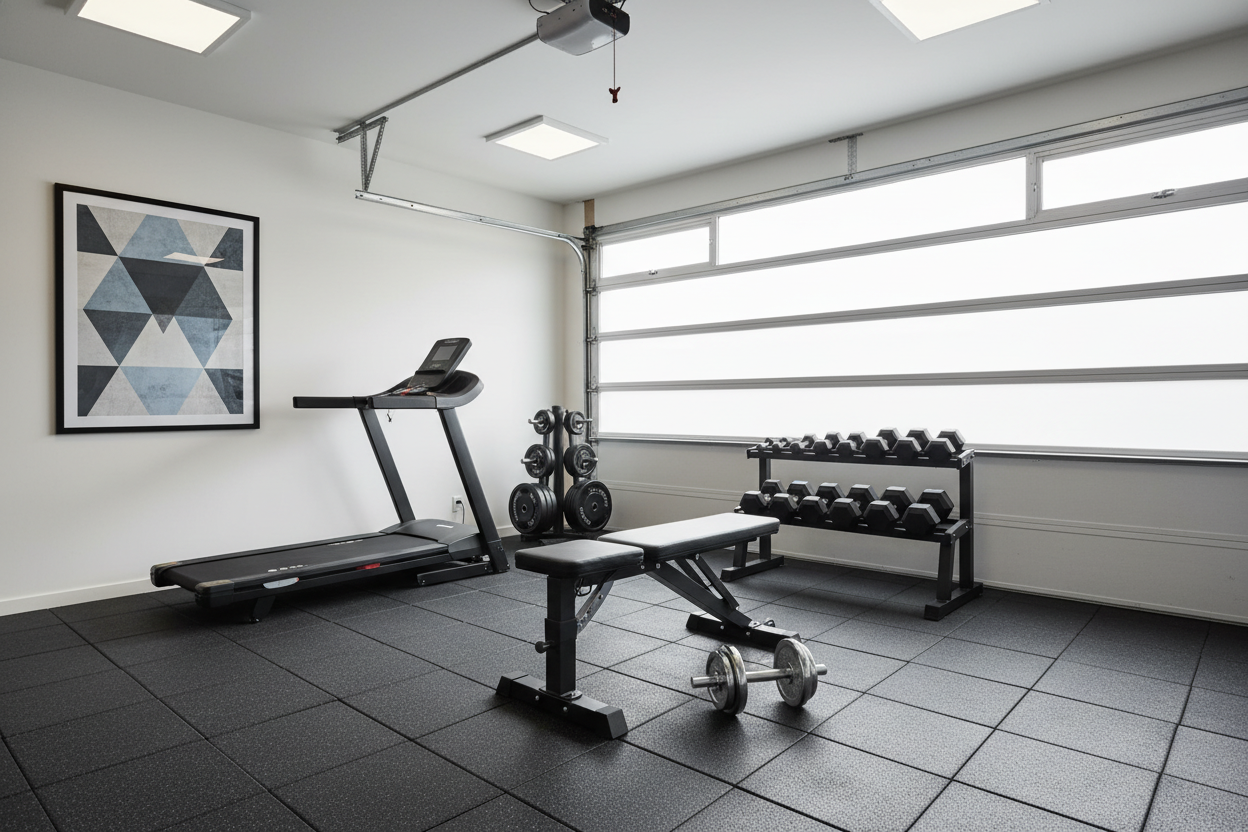
I remember the first time I tried to save fifty bucks on a bench. I was halfway through a set of 225, and the thing started creaking like a haunted house. It is a terrifying feeling when your gear starts talking back to you while you are pinned under a bar. Finding a weight bench best buy is not about hunting for the lowest price tag; it is about finding the point where safety and price finally shake hands.
- Steel gauge: 11-gauge is the gold standard; 14-gauge is the absolute minimum.
- Pad density: If you can pinch the foam and feel the wood base, it is trash.
- Footprint: Wide bases or tripod designs prevent the 'death wobble' during heavy presses.
- Gap width: Anything over 2 inches will eat your lower back for breakfast during flat benching.
The Danger of the 'Budget-Friendly' Illusion
We have all seen those ads on social media. A sleek, black bench for $80 that looks like it belongs in a pro gym. Do not fall for it. Overseas manufacturers have mastered the art of hiding hollow, thin-walled steel under a thick coat of shiny powder coat. It looks great in a thumbnail, but it feels like a lawn chair once you actually start moving real weight. They use just enough metal to pass a static load test but not enough to handle the dynamic stress of a human being dropping a heavy set of dumbbells.
The problem is that many people rely on the best weight bench on Amazon lists, which are often flooded with fake reviews or people who only lift 15-pound dumbbells once a month. If you plan on actually training, you need a frame that handles your body weight plus your max lift without groaning. Cheap benches use thin 1.5-inch tubing or low-grade bolts that can shear under lateral stress. If the box it comes in feels light enough to carry with one hand, send it back.
The Pad Test: Where Most Cheap Benches Fail Instantly
I have sat on benches that felt like a park bench and others that felt like a soggy marshmallow. Neither is good. If the foam is too soft, your shoulder blades will sink right through to the plywood base. This kills your stability. You cannot press heavy if your foundation is shifting like quicksand. I have seen guys wonder why their bench press plateaued, only to realize their 'value' bench was absorbing half their force through the foam.
A high-quality pad should be firm—almost surprisingly so when you first touch it. It needs to be 'grippy' too. If you are sliding toward the floor during an incline press because the vinyl is cheap, you are going to lose your positioning and potentially wreck a rotator cuff. Also, watch out for the 'hinge gap.' On cheap adjustable benches, that gap is often massive, leaving your lumbar spine totally unsupported right when you need it most. A good bench keeps that gap minimal or uses a sliding mechanism to close it.
Steel Gauge and Footprint (The Boring Stuff That Keeps You Alive)
Let's talk about the math. Most commercial gyms use 11-gauge steel, which is about 1/8th of an inch thick. In the home gym world, 14-gauge is common for budget gear, but it is noticeably flimsier. I always tell people to look for 11-gauge if they want something that lasts a decade. It is one of the specs that actually matter when you are trying to build a serious setup. You want to see 2x3 or 3x3 inch steel tubing. Anything smaller belongs in a toy store, not a garage gym.
Then there is the footprint. A bench with a narrow 'T' at the head and a narrow base at the feet is a tipping hazard. I once saw a guy nearly flip over sideways while doing seated overhead presses because the bench base was too short and narrow. You want a tripod design at the front (so your feet have room to drive into the floor) and a wide rear stabilizer that extends past the width of the pad. If the bench weighs less than 50 or 60 pounds, it is probably too light to be truly stable under a 200-pound lifter. Mass equals stability.
My Top Picks for Real Value That Won't Break the Bank
You do not need to spend $800 to get a commercial-grade feel. There is a sweet spot between 'unbranded junk' and 'overpriced luxury' where you get thick steel and dense padding without paying for a fancy brand name. I look for benches that use bolt-together construction with heavy-duty hardware rather than thin welds that might have been rushed on a factory line.
The Adjustable Frame Worth the Upgrade
If you only have room for one piece of gear, it has to be adjustable. But most cheap adjustables have a seat that wobbles like a loose tooth. I have tested the Adjustable Weight Bench Owb01 and it is one of the few that actually locks in tight. It uses a ladder-style adjustment that is fast to change between sets but does not have that annoying side-to-side play when you are trying to focus on your form. It is the perfect example of spending a little more to get a lot more safety.
When to Spend Extra (And When to Keep Your Cash)
You should spend extra on two things: a zero-gap mechanism (if you hate that hole in the middle) and high-quality wheels. You will be moving this thing around your garage constantly; don't get stuck with tiny plastic wheels that scratch your floor or require you to deadlift the whole bench just to move it. You can save money by skipping 'fancy' features like built-in leg developers, resistance band pegs, or preacher curl attachments—they are usually flimsy gimmicks that just get in the way of a clean press.
Before you pull the trigger, browse a reliable weight bench collection and compare the actual shipping weights. A heavier bench is almost always a better bench. If it is built with real steel, it is going to have some heft to it. Don't let a low price tag trick you into buying a piece of equipment that you'll be afraid to use in six months.
FAQ
How much weight capacity do I really need?
Aim for a minimum of 600 lbs to 800 lbs. That sounds like a lot, but it includes your body weight. If you weigh 220 lbs and are pressing 225 lbs, a 400-lb limit bench is already past its rated capacity. You want a safety buffer so the frame doesn't flex.
Why does my bench wobble even on flat ground?
Usually, this is due to poor tolerances in the bolt holes or a 'shipping warp.' Try loosening all the bolts, sitting on the bench to level it out, and then tightening them back up while there is weight on the frame. If it still wobbles, the steel is likely warped.
Is a 12-inch pad width better than 10-inch?
Generally, yes. A 12-inch pad provides better support for your shoulder blades, which helps prevent injury. Powerlifters usually prefer the 12-inch standard, while smaller lifters might find a 10-inch pad easier for reaching the floor.
Share:
How to Pick an Amazon Weight Bench Set That Won't Wobble
How to Buy a Weights With Bench Combo You Won't Outgrow in 3 Months