
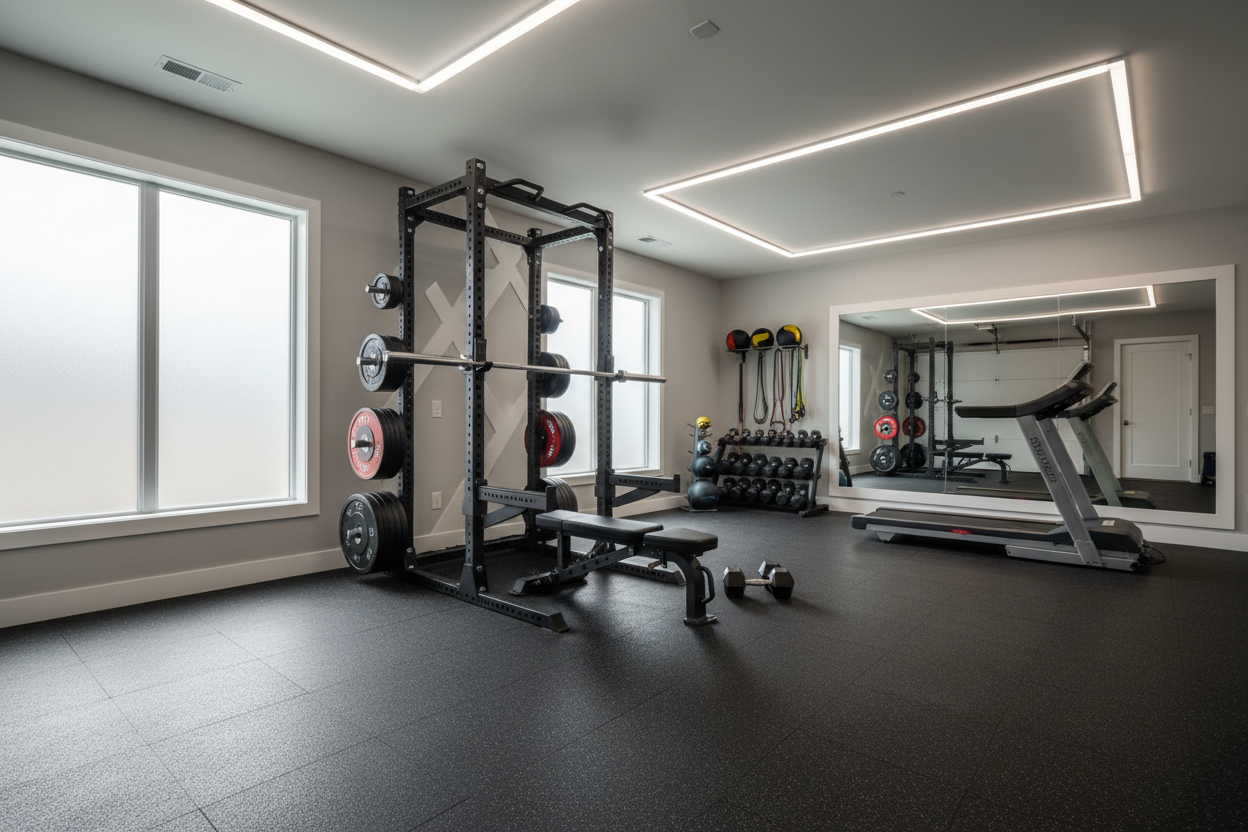
I remember when my local commercial gym hiked their rates to $100 a month just to add a 'towel service' I didn't want. I went home and bought the first cheap rack I saw on Amazon. Big mistake. Three weeks later, the uprights were bowing under a 315-lb squat. That’s when I realized finding the top home gym equipment isn't about reading five-star reviews from people who just unboxed their gear—it’s about finding stuff that survives a decade of abuse.
Quick Takeaways
- Always prioritize 11-gauge steel for power racks; 14-gauge is too flimsy for heavy lifting.
- High-density foam is better than thick, soft padding for bench stability.
- Aluminum pulleys beat plastic every time for cable smoothness.
- Horse stall mats are the only flooring that actually protects your foundation.
Stop Trusting Sponsored Reviews (Why I Destroyed My Own Gear)
Most fitness reviews are written by people who have never even hit a PR in their garage. They look at the paint job and the shipping speed, then call it a day. I took a different approach. I spent the last year dropping loaded barbells on safety arms, leaving cast iron plates in the rain to check for rust, and loading cable towers past their listed capacity.
I wanted to know what is the best home gym equipment for people who actually train, not just people who want a pretty background for their social media. If a piece of gear can't handle a 400-pound drop or a humid summer in a garage without pitting, it doesn't belong in your house. My testing methodology was simple: use it harder than any sane person would to see where the welds fail first.
The Rack Torture Test: Surviving the 500-Pound Drop
The rack is the heart of your gym. If it fails, you're looking at a hospital bill or a hole in your floor. I tested several racks by dropping a 500-pound loaded bar onto the spotter arms from a height of two feet. The cheap 2x2-inch racks with 14-gauge steel buckled instantly. You want 3x3-inch uprights with 11-gauge steel and 1-inch or 5/8-inch hardware.
When you are building out a complete home gym, don't skimp here. Look for Westside hole spacing in the bench zone so you can actually set your safeties at the right height. A solid rack is the best at home equipment because it provides the safety net you need when training alone at 6:00 AM.
Benching on a Budget: What Home Gym Equipment Is Best for Heavy Pressing?
I’ve seen too many 'budget' benches that use cheap plywood backing. When you're mid-press with heavy iron, the last thing you want to hear is a crack. I tested the top-rated adjustable benches by loading them with 800 pounds of static weight. The winners had zero frame flex and high-density foam that didn't bottom out.
For those chasing the best home gym bodybuilding goals, stability is everything. If the bench wobbles when you're setting up for a heavy incline press, your power transfer is shot. What home gym equipment is best for your chest? A bench with a tripod base design. It gives your feet plenty of room to drive into the floor without tripping over the front stabilizer.
Pulleys That Don't Feel Like Dragging Sand
Cheap cable machines use plastic pulleys with low-grade bearings. After a month, they start squeaking and feeling jerky. I tested several towers by running high-rep sets every day for ninety days. The ones that survived used aluminum sheaves and 2:1 ratios that kept the movement fluid even at the bottom of the stack.
Which home gym equipment is best for isolation? If you have the space, a Smith machine home gym station often offers a more stable guided path for movements like hack squats or behind-the-back shrugs. It beats a standalone cheap pulley tower that tips over if you pull the cable at a slight angle. Look for aircraft-grade cables—they don't fray as easily when the coating starts to wear.
The Real Top 10 Home Gym Equipment Pieces That Survived
After a year of abuse, only a handful of items earned a permanent spot in my garage. This list isn't based on brand hype; it's based on what didn't snap, rust, or wobble under pressure. Here is my top 10 home gym equipment list for the serious lifter:
- 11-Gauge Power Rack (3x3 uprights)
- Stainless Steel Multipurpose Barbell
- Urethane-Coated Dumbbells
- Competition-Spec Flat Bench
- 3/4-inch Horse Stall Mats
- Adjustable Bench with zero-gap hardware
- Cast Iron Deep Dish Plates
- Aluminum Pulley Cable Tower
- Loadable Lat Pulldown Attachment
- Magnetic Pin Collars
These home gym recommendations aren't just for show. However, if you're just starting out, don't feel like you need the whole list at once. Often, three essential pieces of fitness equipment—a rack, a bar, and some plates—are all you need to get stronger than 99% of the population.
The Final Verdict: Which Home Gym Equipment Is Best for You?
Building a lifting sanctuary is an investment in yourself. You can either spend $400 now and another $800 in two years when the cheap stuff breaks, or you can buy once and cry once. The best gear is the stuff you never have to think about while you're under the bar. Focus on the steel gauge, the weld quality, and the weight ratings. Your future self—and your floorboards—will thank you for choosing quality over a low price tag.
FAQ
Is 11-gauge steel really necessary?
If you plan on squatting or benching over 300 pounds, yes. 14-gauge steel is fine for light attachments, but it lacks the structural integrity for heavy loads and long-term durability.
How do I stop my equipment from rusting in a garage?
Look for stainless steel or cerakote finishes on bars. For racks, a good powder coat is essential. Wipe your gear down with a light coat of 3-in-1 oil once a month to keep the oxidation away.
What is the most underrated piece of home gym gear?
Horse stall mats. People spend thousands on racks and then put them on thin foam tiles. 3/4-inch rubber mats from a farm supply store are cheaper and indestructible.
Share:
The Bare Minimum Equipment for a Home Gym (That Doesn't Suck)
How to Build an Apartment Weight Set Without Ruining Your Floors