
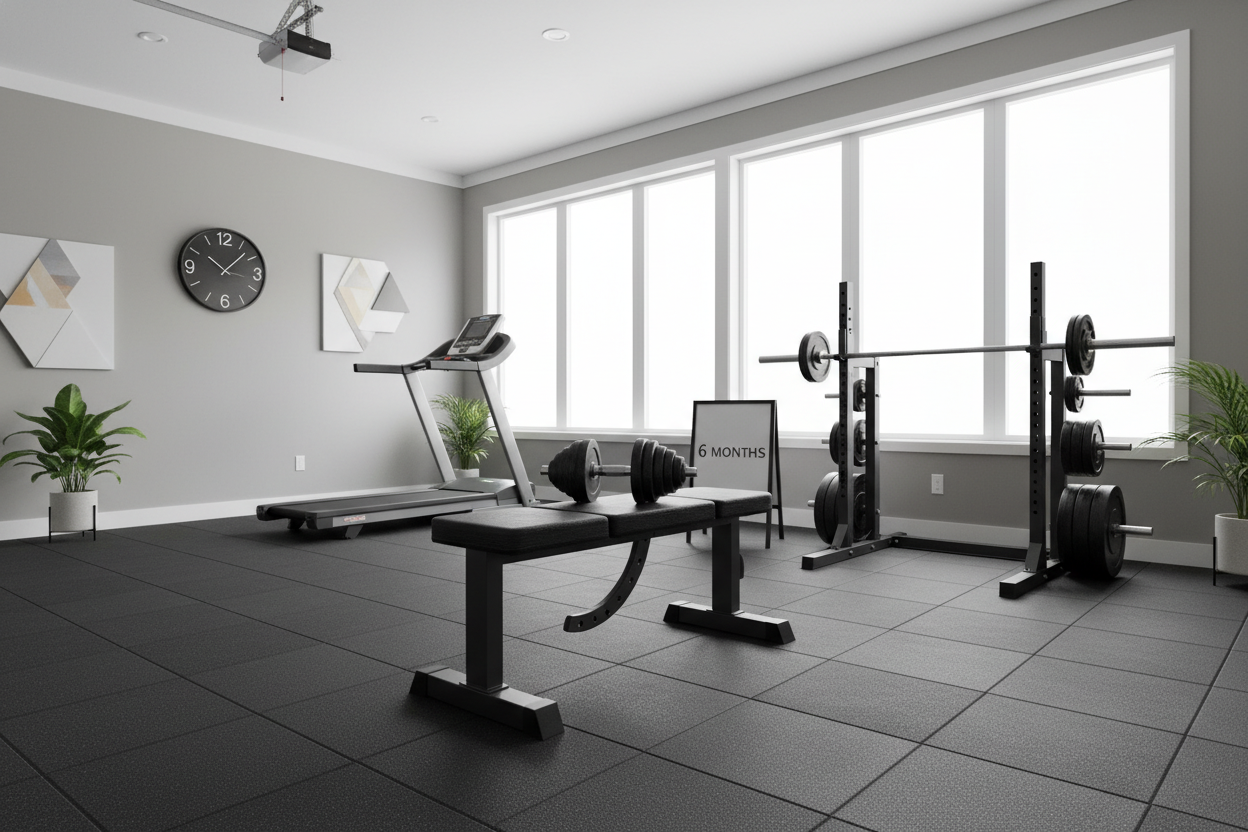
I finally hit the limit. My garage gym was so packed with plates and racks that I couldn't even finish a set of flyes without hitting a wall. My solution? Move the accessory work to the back patio. I grabbed a waterproof weights bench, set it next to the grill, and waited for the elements to do their worst.
Quick Takeaways
- Standard indoor benches use MDF wood cores that rot and swell within weeks of moisture exposure.
- UV rays are actually more dangerous than rain; they crack vinyl and turn pads into sandpaper.
- Closed-cell foam is the secret sauce—it doesn't absorb water like a kitchen sponge.
- Maintenance isn't optional; you'll need silicone spray for the hinges regardless of the 'waterproof' tag.
Why Your Regular Bench Will Die Outside
Most guys think a tarp is enough to protect their gear. It isn't. Standard benches are built with a 'good enough' mindset for climate-controlled spare rooms. They use open-cell foam and cheap MDF (medium-density fiberboard) backboards. Once humidity hits that MDF, it expands, loses its structural integrity, and eventually snaps under load.
Then there's the steel. Cheap tubular frames are usually only painted on the outside. Rain gets into the adjustment holes, sits in the bottom of the frame, and eats the metal from the inside out. It is exactly why that 150 adjustable bench with weights is a terrible idea for an outdoor setup. You'll be sitting on a pile of rust and rotten wood by the end of the first season.
What Actually Makes a Waterproof Workout Bench?
A legitimate waterproof workout bench isn't just a regular bench with a fancy cover. It starts with the pad. You need marine-grade vinyl—the stuff they use on boat seats. It’s treated to resist UV degradation and treated with antimicrobial coatings so it doesn't grow a colony of mold after a thunderstorm.
Under that vinyl, you need closed-cell foam. Unlike the foam in a standard indoor weight bench, closed-cell foam has a structure that prevents water from soaking into the core. If the foam gets wet, it stays on the surface. For the frame, look for hot-dipped galvanization or a thick, textured powder coat that seals the welds completely.
The 6-Month Patio Torture Test
I left my test unit on an uncovered concrete patio from March through August. It saw everything: torrential spring downpours, 95-degree direct sunlight, and that thick morning dew that makes everything feel slimy. I didn't use a cover. I wanted to see if this thing was actually 'outdoor rated' or just marketing fluff.
The sun was the biggest surprise. While the frame held its color, the vinyl got hot enough to sear grill marks into my back if I didn't lay a towel down first. But the 'squish test' passed. After a heavy rain, I’d wipe it down and sit. No water squeezed out of the seams, and the internal board—which was high-density plastic rather than wood—remained rock solid.
The Hardware and Hinge Mechanisms
The frame might survive, but the moving parts are where things get crunchy. After three months, the adjustment ladder started to squeak. This is where you have to be proactive. Even the best outdoor gear has friction points where the powder coat wears off, exposing raw steel to the air.
I had to hit the pivot bolts with silicone spray once a month to keep the action smooth. If you compare it to the effortless, indoor-only glide of an adjustable weight bench owb01, the outdoor version feels a bit more rugged and 'industrial.' It works, but it lacks that buttery feel you get from a bench that lives in a dry garage.
Is an Outdoor Gym Setup Actually Worth the Hassle?
There is nothing better than hitting a heavy set of presses with the sun on your face and fresh air in your lungs. It beats a stuffy garage any day. However, you have to be realistic about what gear you put out there. A bench is one thing, but complex machines are a liability.
I would never leave something like a weight bench chest press machine independent arms z1 pro outside. The bearings, cables, and independent pivot points are magnets for grit and corrosion. Keep your outdoor setup simple: a solid waterproof bench, some galvanized plates, and maybe a pull-up bar. Anything with a cable belongs inside.
FAQ
Do I still need a cover for a waterproof bench?
You don't *need* one if the materials are legit, but it helps. A cover keeps the bird droppings and tree sap off the vinyl, which extends the life of the pad significantly.
Will a waterproof bench rust eventually?
Yes, all steel eventually oxidizes if the coating is chipped. Keep a bottle of touch-up paint or clear coat handy for whenever you clank a dumbbell against the frame.
How do I clean an outdoor bench?
Mild soap and water. Avoid harsh chemicals that can strip the UV protection off the vinyl. A quick wipe after a rainstorm prevents water spots from etching into the finish.
Share:
Ignore Half the List of Leg Machines at the Gym (Do This Instead)
What the Hell is a Bushing? Barbell Parts Names Translated