
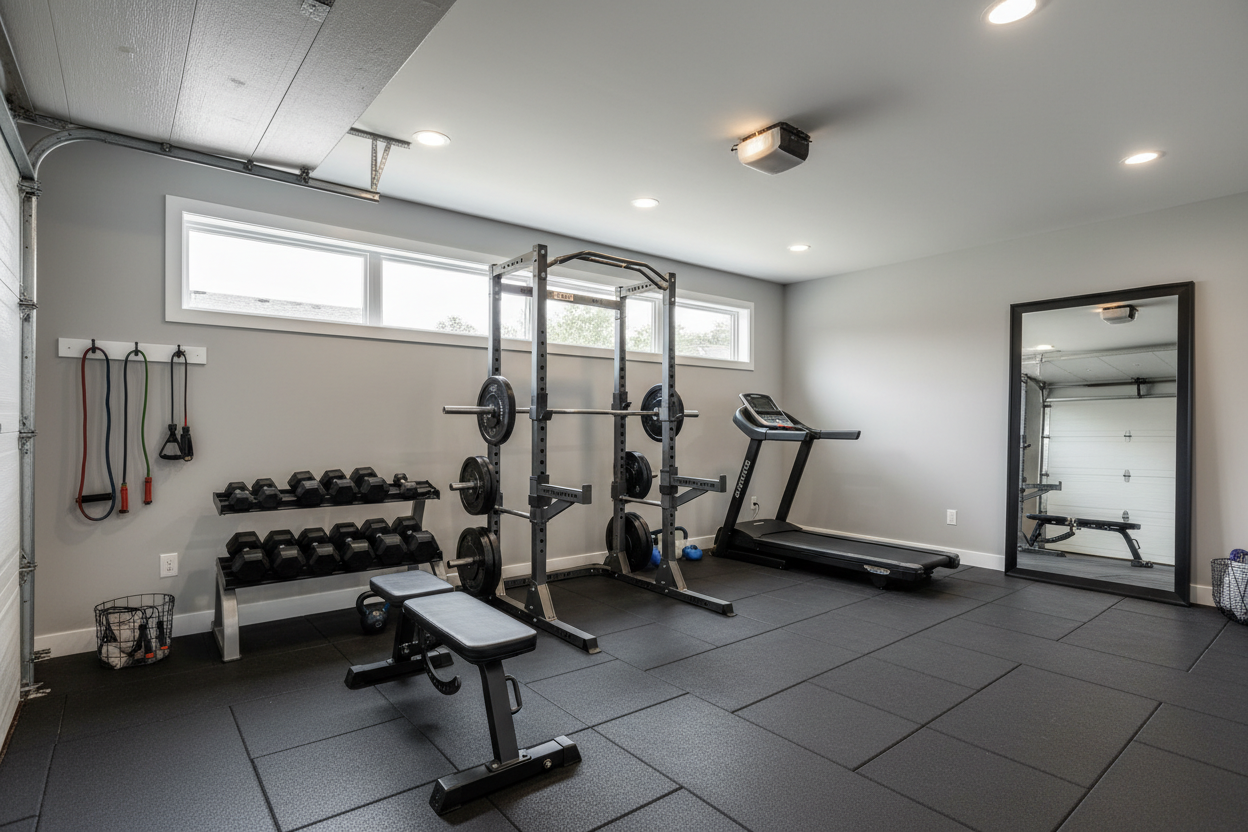
I was done. My local commercial gym just bumped their monthly rate to eighty bucks, and the only 'new' equipment they added was a broken stair stepper and a fancy juice bar. I spent three nights straight scrolling online marketplaces, but shipping 400 pounds of cast iron to my driveway costs as much as a used sedan. That is when I decided to stop clicking and start driving. I headed three states over to a massive exercise outlet to see if the liquidation hype was actually real or just a clever way to sell rusted scrap metal.
Quick Takeaways
- Stick to 'dumb' iron: Plates, dumbbells, and racks are the safest bets at any fitness outlets.
- Inspect the welds: Cosmetic scratches are fine, but structural integrity is non-negotiable.
- Avoid the 'Box 1 of 2' trap: Never buy complex machines unless every single hardware kit is accounted for.
- Do the math: Factor in gas and truck rentals before assuming you're getting a steal.
The Reality of the Scratch-and-Dent Warehouse
Walking into a real exercise equipment outlet is a sensory overload. Forget the pristine, air-conditioned showrooms with soft lighting and motivational posters. This place smelled like industrial rubber, WD-40, and old cardboard. It was a chaotic maze of floor-to-ceiling racking, half-opened crates, and 'final sale' stickers slapped onto everything from commercial treadmills to fractional plates. This is the front line of the equipment world, where the returns and shipping mishaps go to die—or find a new home.
You have to be prepared to get your hands dirty. I spent the first hour literally digging through a bin of mismatched kettlebells just to find a pair of 24kg bells that didn't have jagged casting seams. This is a gym outlet store, not a boutique. Most of the gear here ended up on the floor because a box got crushed in a FedEx hub or a customer realized they didn't have room for a 90-inch power rack in their low-ceiling basement. If you can look past a scuff on a powder-coated upright, there is gold buried in these aisles. But if you're looking for white-glove service, stay home.
The staff usually knows their stuff, but they aren't there to hold your hand. They expect you to know the difference between a 28mm Olympic bar and a cheap 1-inch standard bar. I saw one guy trying to load a commercial leg press into the back of a Honda Civic. Don't be that guy. Bring a truck, bring straps, and bring a pair of work gloves.
The Gear You Should Always Buy From an Outlet
When you are scouting outlet fitness equipment, the best strategy is to look for items that are functionally indestructible. Cast iron is the ultimate prize. A 45-pound plate doesn't care if it has a chip in the paint or a bit of surface oxidation. It still weighs 45 pounds. I found a stack of deep-dish plates that were marked down 40% because the 'machined' holes had some minor burrs. Five minutes with a metal file at home, and they fit on my barbell like a glove.
Structural steel is another safe bet. Racks, benches, and pull-up bars are great finds at a workout equipment outlet. Look for beefy 3x3-inch uprights with 11-gauge steel. If the frame is straight and the welds look clean, a few scratches on the finish shouldn't stop you. You only need a few core, heavy-duty pieces to build the best home gym fitness equipment foundation, and sourcing them here can save you hundreds on freight shipping alone.
Bumper plates are also a huge win. Often, these end up at a gym outlet because the center hubs are slightly off-center or the logo printing is smeared. For a garage lifter, who cares? As long as they are within a reasonable weight tolerance—usually 1% to 3% for decent bumpers—they are going to perform exactly like the $200 sets you see online. I also keep an eye out for basic storage solutions. Toaster racks, weight trees, and dumbbell rails are often tossed in the 'as-is' section because they are missing a single bolt you can buy for fifty cents at any hardware store.
What to Hard Pass On (Even at 70% Off)
Now, let's talk about the traps. Just because a gym outlet store has a massive price drop doesn't mean it's a good deal. The biggest mistake I see people make is buying 'smart' equipment or anything with a complex cable system. If you see a high-end treadmill with a cracked console, walk away. Most of these outlets don't offer warranties, and trying to source a proprietary motherboard for a discontinued model is a special kind of hell.
You should be extremely wary of any Smith machine home gym station or functional trainer that is already disassembled. These units have dozens of pulleys, specialized cables, and very specific bearings. If one proprietary spacer is missing from the box, the entire machine becomes a 400-pound paperweight. I've seen guys buy 'complete' cable crossovers only to find out the guide rods were slightly bent during the original return shipment. At that point, you aren't training; you're just a frustrated amateur mechanic.
Anything with heavy upholstery is also a risk. Sweat-soaked foam or cracked vinyl is a breeding ground for bacteria, and re-skinning a bench pad is more expensive and annoying than most people realize. If the padding feels soft or the 'leather' is peeling, it’s a hard pass. Also, skip the 'mystery boxes' of resistance bands or cheap plastic accessories. Those are usually the bottom-of-the-barrel items that aren't worth the space in your trunk.
Does the Math Actually Make Sense?
Before you get stars in your eyes over 50% off tags, you have to do the 'Total Cost of Acquisition' math. Visiting a discount fitness equipment outlet isn't free. I had to factor in a three-hour drive each way, which meant $60 in gas for my truck. Then there's the time—a full Saturday gone. If you don't own a truck, renting one for the day adds another $100 plus mileage to the bill.
If you are just looking for a single pair of 25-pound dumbbells, the outlet is a waste of time. You are better off buying them online or at a local big-box store. However, if you are outfitting a full garage gym budget from scratch, the numbers flip in your favor. When you are buying a rack, 500 pounds of plates, a bench, and a bar, you are looking at potential savings of $800 to $1,200. That easily justifies the trip.
Another thing to consider is the 'usa fitness outlet' tax—some of these places charge a premium just for the convenience of having everything in one spot. Always have your phone out to check the current online prices. I’ve seen outlets try to sell 'refurbished' gear for only $20 less than the brand-new price with free shipping. Don't let the warehouse atmosphere trick you into thinking everything is a bargain. If the discount isn't at least 30% off the best online price you can find, it's probably not worth the hassle of hauling it yourself.
My Outlet Haul: What I Actually Brought Home
So, what did I actually shove into the bed of my truck? I walked away with a serious win on some heavy rubber-coated hex dumbbells. I grabbed pairs of 70s, 80s, and 100s. They had some cosmetic scuffs and smelled like a tire fire, but after a quick wipe-down with some Simple Green, they look perfectly fine in my rack. These are the kind of items that usually kill you on shipping fees, so picking them up in person was the smartest move I made.
I also took a calculated risk on a foldable upright exercise bike. It was an open-box return with a 'missing manual' and a small dent in the rear stabilizer. I checked the magnetic resistance and the pedal stroke right there on the warehouse floor—smooth as silk. It’s a simple, mechanically straightforward piece of cardio gear that doesn't need a WiFi connection to work, making it a safe outlet pick. It’s perfect for those low-intensity recovery days when I don't want to leave the house.
Adding these pieces to my home gym finally made the space feel complete. I saved roughly $450 compared to buying everything new online, even after accounting for the gas and a celebratory burger on the way home. The key is knowing your limits and being willing to walk away from a 'deal' that is actually a headache in disguise. If you have the patience to hunt and the muscle to move it, the outlet is the way to go.
FAQ
Is outlet gym equipment safe to use?
Generally, yes, but you have to be your own quality control. Check for cracks in welds, frayed cables, or bent frames. If the structural integrity is solid, cosmetic damage won't affect your safety.
Can I negotiate prices at a fitness equipment outlet?
Often, yes. If you are buying a large 'lot' of equipment, ask for a bundle discount. If an item has been sitting on the floor for a while or has a specific defect you pointed out, they might knock another 10-15% off.
Do these outlets offer delivery?
Some do, but it usually negates the savings. The whole point of an outlet is to handle the 'last mile' yourself. If you have to pay for professional delivery, you might as well buy new gear online with a warranty.
Share:
Why the Numbers on Your Gym Machine Weight Plate Are a Lie
I Weighed It: The Real Bar Weight in Smith Machine Racks