
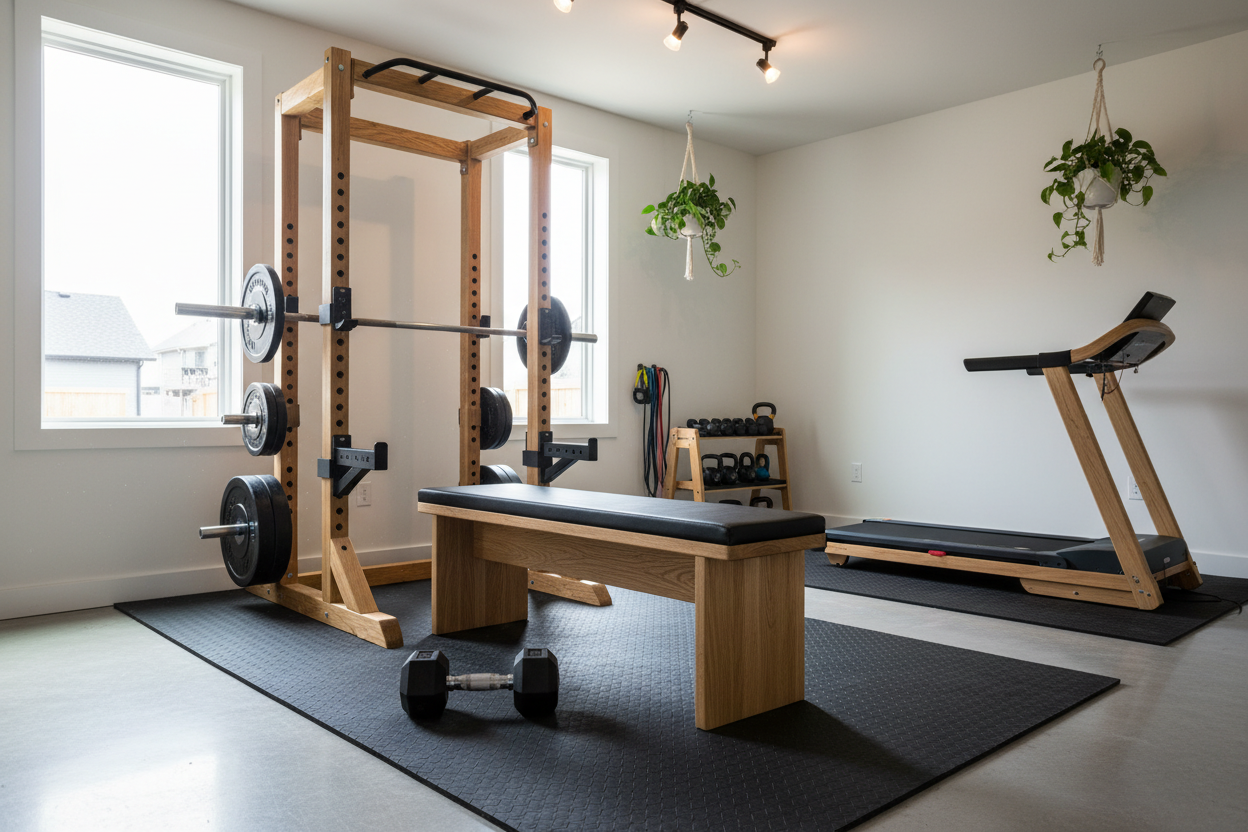
My garage gym used to look like a scene from a Mad Max movie. Rusting 11-gauge steel, black powder coat peeling off the rack, and that distinct smell of old rubber floor mats. Then I saw a wooden weight bench that looked more like a piece of high-end mid-century modern furniture than a piece of gym gear. I had to know: is this actually for lifting, or just for people who want to look like they lift while sipping an oat milk latte?
Quick Takeaways
- Aesthetics: 10/10. It looks incredible in a living space.
- Stability: Surprising, provided the joints are bolted correctly.
- The Catch: Wood doesn't 'give' like steel; it cracks if you exceed its limit.
- Maintenance: You'll be tightening lag screws more often than you think.
Why Is Everyone Suddenly Buying Wood Gym Gear?
We've reached a point where people are tired of their homes looking like a commercial Gold's Gym. The rise of the 'aesthetic' home gym is real. A wood workout bench isn't just about utility; it's about not having a giant chunk of industrial metal clashing with your hardwood floors. It appeals to the minimalist who wants to finish a set of presses and not feel like they're living in a warehouse.
But there is a danger here. When form starts to overshadow function, safety takes a backseat. I've seen some 'designer' benches that look like they'd fold under a stiff breeze. If you're going this route, you aren't just buying a bench; you're buying into a specific vibe. Just make sure that vibe can actually support your spine when you're under a heavy load.
The Load Test: Can a Wooden Bench Press Handle 300+ Pounds?
Engineering-wise, hardwoods like oak or maple have incredible compressive strength. If you stand a 4x4 post upright, it can hold thousands of pounds. The problem with a wooden bench press isn't the wood itself; it's the joints. Steel is welded. Wood is joined with dowels, glue, or lag screws. Under a heavy eccentric load, those joints are the first thing to fail.
When I tested a high-grade plywood model, I had to be meticulous about the math. You have to account for your body weight plus the real weight of your bar and plates. If you weigh 200 lbs and you're benching 225, that's 425 lbs of force concentrated on four contact points. A cheap wooden bench for gym use made of soft pine will start to compress and wobble. I felt a noticeable 'creak' at 315 lbs that I never hear with my steel rig. It’s a psychological hurdle as much as a physical one.
The Grip and Splinter Factor (A Lesson in Pad Slippage)
One thing nobody tells you about a wooden gym bench is the lack of traction. On a commercial steel bench, the vinyl is usually stapled to a thick plywood base and has a certain 'tack' to it. Many wooden benches prioritize the look of the timber, leaving the wood exposed or using a thin, slippery leather pad.
If you're trying to set your shoulder blades for a heavy press, you need to dig in. On bare wood, your back just slides. I actually had to apply grip tape to a $400 bench just to keep from sliding off the end during leg drive. Also, unless that wood is finished with a high-quality polyurethane, sweat is going to ruin it. Salt and timber don't mix. You'll end up with a stained, warped piece of furniture that smells like a locker room within six months.
DIY vs. Buying a Premium Wooden Bench for Gym Use
I’ve built my own gear before. A DIY 2x4 bench is a rite of passage for many garage gym owners, especially when equipment lead times are six months out. But there's a massive gap between a 'Home Depot special' and a premium wooden bench for gym use. The DIY version is usually overbuilt, heavy, and ugly as sin. It’ll hold the weight, but it takes up a massive footprint and offers zero adjustability.
Premium wooden benches use CNC-machined hardwoods and hidden steel reinforcements. They're beautiful, but you'll pay a 'design tax' that usually doubles the price of a high-end steel bench. You're paying for the craftsmanship. If you aren't a carpenter, don't try to save money by building one yourself for heavy lifting. One bad knot in the wood and you're looking at a catastrophic failure mid-set.
The Verdict: Should You Actually Ditch Your Steel Bench?
Look, if you're doing light dumbbell rows and some seated curls in a corner of your bedroom, a wooden bench is fine. It looks great. But if you’re actually training—meaning you’re chasing PRs and moving heavy iron—wood is a compromise you don't need to make. The lack of easy adjustability is the biggest dealbreaker for me. Most wood benches are flat; finding a reliable incline wooden bench is like finding a unicorn.
I eventually moved my wooden bench to the hallway to act as a mudroom seat. It’s great for putting on shoes. For my actual training, I went back to a rock-solid adjustable weight bench OWB01. It gives me the peace of mind that it won't snap when I'm under a heavy load. If you want something that lasts a lifetime and handles any weight you throw at it, stick to the traditional steel weight bench lineup. Steel is real for a reason.
FAQ
Is a wooden bench safe for heavy lifting?
It can be, but only if it's engineered with hardwoods and reinforced joints. Most 'aesthetic' wood benches are rated for lower capacities than standard 11-gauge steel benches. Always check the static load rating before buying.
How do I stop my wooden bench from wobbling?
Check the hardware. Wood expands and contracts with humidity, which loosens screws over time. Use wood glue during assembly and tighten the bolts every few months to keep it stable.
Can I use a wooden bench outdoors?
Only if it's made of teak or cedar and treated with outdoor-grade sealant. Even then, the upholstery will rot quickly if left in the rain. It's better kept in a climate-controlled garage or spare room.
Share:
The Only 3 Types of Weights Benches That Matter
I Burned Out 3 Treadmills Before Buying Real CrossFit Cardio Equipment