
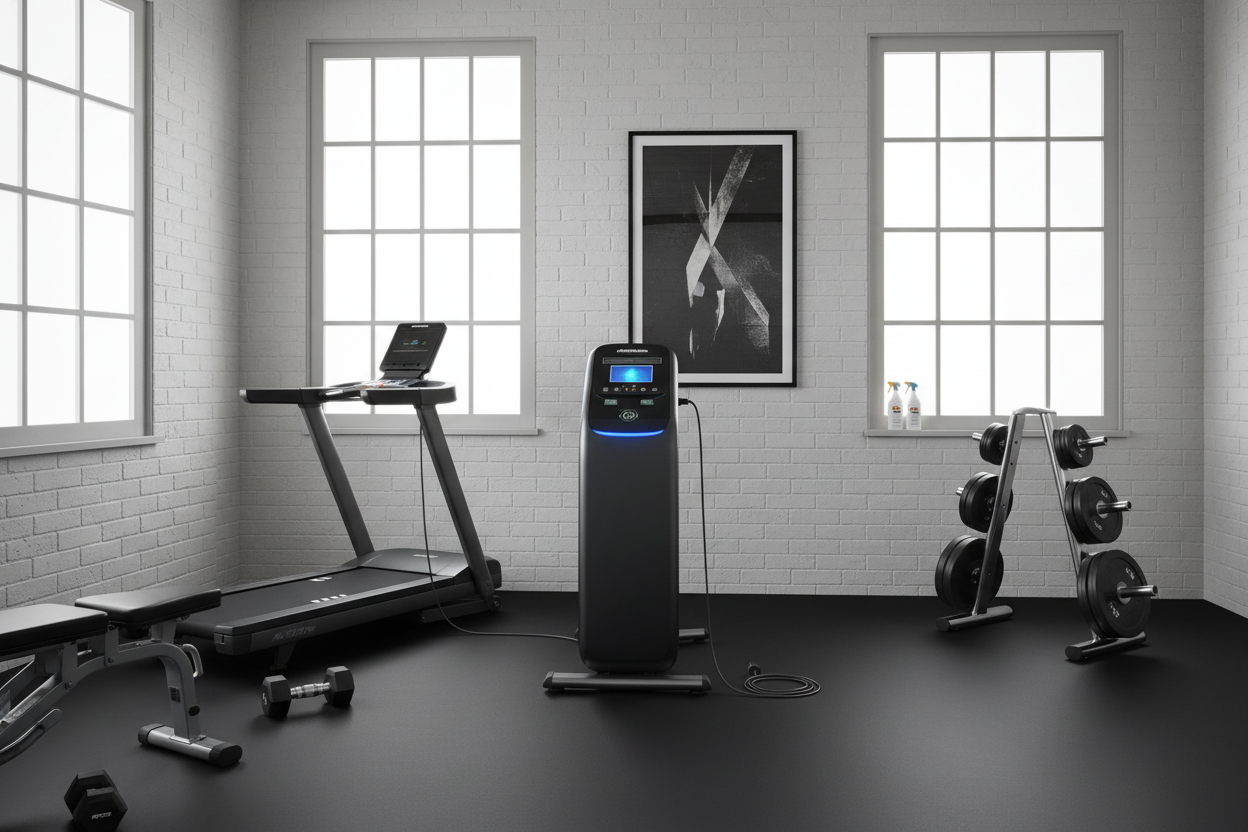
I remember the day I hauled a 300-pound commercial-grade treadmill into my garage. I thought I was winning. I had the massive screen, the auto-incline, and the whisper-quiet motor. Three months later, during a particularly humid July, the console threw an 'Error 5' code and never woke up again. Owning an electric exercise machine in a space that isn't climate-controlled is like parking a Ferrari in a swamp—it is only a matter of time before the electronics quit on you.
Quick Takeaways
- Motors and motherboards hate temperature swings and humidity.
- Manual equipment is ready to go instantly; electric gear often requires boot-up times and updates.
- Dust and debris in a garage act like sandpaper on motorized belts.
- Unplugged gear has a much higher resale value because there are fewer points of failure.
The Allure of Smart, Plugged-In Cardio
It is easy to get sucked in by the marketing. We see the sleek electric exercise equipment with 22-inch touchscreens and think we need that 'boutique studio' experience to stay motivated. I have been there. I have even spent weeks testing electric generating exercise equipment to see if I could power my house while I crushed intervals. It sounds futuristic and productive.
But the reality of a home gym is different from a commercial club. In a club, the AC is cranked to 68 degrees 24/7. In your garage, you are dealing with real-world variables. That fancy screen is just a giant tablet that hates the cold. When you are staring at a dead screen at 6:00 AM because the WiFi dropped or the software is 'optimizing,' your workout motivation evaporates faster than sweat on a hot day.
Dust, Temp Swings, and Dead Motors: The Garage Reality
Garages are inherently dirty. Even if you sweep daily, there is ambient dust, sawdust from DIY projects, and salt from your car. An electric exercise machine pulls that air directly into its motor housing to stay cool. Over time, that grime coats the circuit boards and the drive belt. It creates friction, and friction kills motors.
Then there is the condensation. When the temp jumps from 30 degrees to 50 degrees in a single morning, moisture forms on metal and electronics. I have seen PCB boards short out simply because the garage 'sweated' after a cold snap. Most warranties specifically exclude 'non-climate controlled environments' for this exact reason. If you fry the board in an uninsulated shed, you are on the hook for the $400 replacement part.
The Hidden Costs of Keeping Motherboards Alive
Maintenance on motorized gear is a chore. You have to lubricate the deck every 150 miles with specific 100% silicone oil. You have to vacuum the motor shroud. You have to worry about power surges. I once had a treadmill fuse blow because I tried to run the machine and a space heater on the same 15-amp circuit. It is a constant game of 'will it turn on today?'
Subscription fees are the other silent killer. Many high-end electric machines become expensive paperweights if you stop paying the $40 monthly 'membership' fee. You are left with a basic manual mode on a screen that looks like it belongs in a 1990s ATM. That is not an investment; it is a hostage situation.
When a Motorized Unit Actually Makes Sense
I am not saying all electric gear is trash. If you have a finished basement or a spare bedroom with a dedicated circuit and a dehumidifier, a motorized treadmill can be great for high-volume marathon training. If you need precise, computer-controlled resistance for rehab or pro-level cycling, the tech has its place. But for the guy or girl training in a converted 2-car garage, it is usually overkill that leads to frustration.
What to Buy Instead (The Unplugged Revolution)
I have moved almost entirely to mechanical resistance. If I want to go faster, I move my legs faster. No buttons, no plugs, no firmware updates. When looking for durable exercise bikes, I look for heavy steel frames and simple tension knobs. You want gear that can sit in a freezing garage for three weeks and work perfectly the second you sit on it.
If you want a smooth ride without the headache of a motor, a magnetic resistance upright bike is the sweet spot. It uses physical magnets to create drag, meaning there are no friction pads to wear out and no motor to burn up. It is quiet, it is light enough to move out of the way, and it does not care if your garage is 40 degrees or 90 degrees. That is the kind of reliability that actually helps you build a habit.
My Personal Take
I once spent three hours on the phone with tech support because my 'smart' bike wouldn't recognize my heart rate monitor. I wasted an entire Saturday morning—time I could have spent lifting—talking to a guy in a call center about my router settings. That was the turning point. I sold the smart bike, bought a manual air bike and a set of kettlebells, and I have never missed a workout due to a 'server error' since.
FAQ
Can I put a treadmill in a garage?
You can, but you should use a heavy-duty equipment mat and a dedicated surge protector. Be prepared for the belt lubricant to thicken in winter, which puts massive strain on the motor during start-up.
Are manual treadmills harder than electric ones?
Yes, significantly. On an electric treadmill, the motor moves the belt for you. On a manual unit, you are the motor. You will burn about 30% more calories at the same speed because you are doing all the work.
Does magnetic resistance require electricity?
Most basic magnetic units use a manual dial to move the magnets closer to the flywheel, requiring zero electricity. Some 'smart' magnetic bikes use a small motor to move the magnets, which does require a plug, so always check the specs before buying.
Share:
Don't Bolt That Rack Yet: Surviving a DIY Home Gym Install
I Tracked Down a Bioflex Exercise Machine to Test Its Limits