
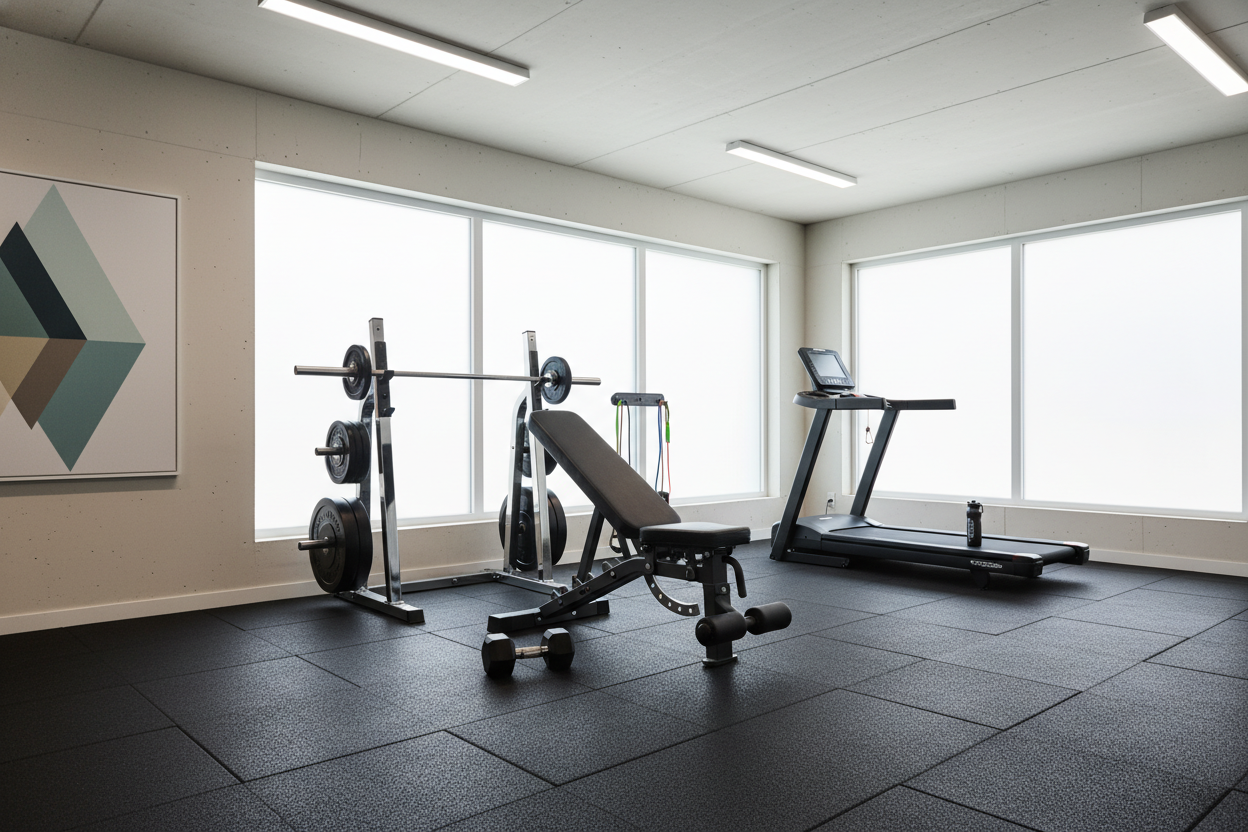
I still remember the first time I got suckered by a ‘flash sale.’ I was three months into building my garage gym, scrolling through a sea of exercise bench deals at 2 AM, and I saw it: 60% off a bench that looked like a tank. It arrived a week later, and the ‘tank’ turned out to be made of recycled soda cans and hope. The first time I tried to hit a heavy set of presses, the thing groaned like an old floorboard.
Finding legitimate exercise bench deals isn't about hunting for the biggest percentage-off sticker. It is about understanding the raw cost of steel and knowing when a brand is trying to liquidate a safety hazard. If you are tired of your equipment feeling like a liability, let’s talk about how to actually save money without compromising your spine.
Quick Takeaways
- MSRP inflation is the most common trick in the fitness industry.
- Avoid any bench under $100 if you plan on lifting more than 20-pound dumbbells.
- Focus on steel gauge (11 or 12 is the goal) and weight capacity (look for 800lb+).
- Real value often comes from bundles or fixed-price brands rather than holiday blowouts.
The Old 'Mark Up to Mark Down' Trick
I have spent years tracking price history for home gym gear, and the games brands play would make a used car salesman blush. You’ll see a bench listed at $499 for three days in October, only for it to ‘drop’ to $249 for a Black Friday weight bench deals event. Guess what? That bench was never worth $499. It was designed, manufactured, and shipped to be a $200 product.
This artificial inflation makes you feel like you are winning, but you’re just paying the standard retail price for mid-tier gear. I always tell people to use price-tracking tools or just watch a brand for three months. If the ‘sale’ never ends, it isn’t a sale—it’s a marketing tactic. Legitimate workout bench deals happen when a company is actually clearing warehouse space for a new model, not just cycling their digital banners.
When you see those massive discounts, look at the specs, not the savings. If a bench claims to be ‘professional grade’ but weighs less than 40 pounds, you are being lied to. Heavy-duty steel has a fixed market price; if the deal seems too good to be true, the manufacturer likely cut corners on the thickness of the frame or the quality of the bolts.
Why a Weight Bench Under $100 is a Spine-Crushing Trap
I get the appeal of a weight bench under $100. You’re starting out, you’ve already spent a fortune on plates, and you just need a place to sit. But here is the reality: at that price point, the economics don't work. By the time you factor in international shipping, the retailer's cut, and marketing, there is about $15 worth of materials in that bench.
Those cheap benches usually use 14-gauge steel or thinner. In my experience, that thin-walled tubing starts to flex the moment you load it with anything over 200 pounds. I’ve seen welds snap and adjustment pins shear off on these budget models. Your safety is worth more than the fifty bucks you saved. If you are serious about benching, you need a tripod or four-point base that doesn't rock when you start your drive.
Furthermore, the padding on these ‘deals’ is usually soft, open-cell foam. After a month of training, you’ll feel the steel frame pressing into your shoulder blades. A real bench uses high-density foam that supports your weight and helps you stay stable during a heavy press. Don't buy a glorified lawn chair for your weight room.
Where Real Workout Bench Deals Actually Hide
If you want to save money, stop looking at the ‘percent off’ and start looking at the spec sheet. Real value is found in 11-gauge steel, 3x3 or 2x3 frame dimensions, and high-quality vinyl. I usually recommend people browse a curated Weight Bench collection from a reputable supplier rather than rolling the dice on a random Amazon listing. You want a company that actually lists the steel thickness and the static weight capacity.
Another pro tip: look for bundles. Often, you can find weight bench deals when you buy a bench alongside a rack or a set of plates. Shipping is the silent killer of gym equipment prices. If a company can put a bench on the same pallet as a power rack, they often pass those shipping savings on to you. That is a legitimate discount, not a pricing game.
Also, keep an eye on ‘V1’ models. When a brand releases a ‘2.0’ version of a bench, the original version—which was perfectly fine for years—often goes on a deep discount. That is the best time to strike. You get proven, heavy-duty gear at a fraction of the cost just because the new version has a slightly fancier adjustment handle.
Are Weight Bench Clearance Sales Worth the Risk?
The term ‘clearance’ can mean two very different things. A genuine weight bench clearance happens when a brand is changing their colorway or discontinuing a specific pad size. I once scored a top-tier competition bench for 40% off just because the company was switching from ‘Midnight Blue’ to ‘Jet Black.’ The steel was the same, the welds were perfect, and I saved enough to buy a new barbell.
On the flip side, some brands use ‘clearance’ to dump lemons. If a product has a 2-star rating and suddenly goes on clearance, run. I’ve seen brands try to offload benches with known alignment issues or faulty pop-pins under the guise of a ‘warehouse clearance.’ Always read the reviews before you bite. If multiple people mention the bench is ‘wobbly’ or ‘hard to assemble,’ no discount is big enough to make it worth it.
Equipment That Offers Real Value Year-Round
You don't always have to wait for a holiday to find a fair price. Some pieces of equipment are just built to be workhorses without the gimmicky markups. For example, the Adjustable Weight Bench Owb01 is a perfect example of what I look for: solid steel, easy adjustments, and a price that doesn't require a ‘50% off’ coupon to feel fair. It’s stable enough for heavy sets but doesn't cost as much as a mortgage payment.
If you have a bit more room and want to maximize your budget, consider a combo unit. Something like the Weight Bench Chest Press Machine Independent Arms Z1 Pro actually saves you money in the long run. By combining a stable bench with independent press arms, you’re essentially getting two machines in the footprint of one. When you calculate the cost per exercise, these specialized units often beat out buying a basic bench and a separate set of stands.
FAQ
How can I tell if a bench deal is fake?
Check the price history using a browser extension. If the ‘sale’ price has been the same for the last six months, it’s not a deal—it’s the MSRP. Also, look at the weight of the bench. If it's under 50 lbs, it's likely made of thin, cheap steel regardless of the ‘original’ price.
Is 14-gauge steel okay for a home gym bench?
For a dedicated lifting bench, I’d say no. 14-gauge is fine for a coat rack, but for a bench, you want 11 or 12-gauge steel. Thinner steel flexes under load, which leads to a wobbly, distracting, and potentially dangerous lifting surface.
Do I really need a 1,000lb capacity bench?
Even if you only bench 200 lbs, a 1,000lb capacity rating is an indicator of build quality. It means the welds, the bolts, and the frame are over-engineered. You aren't just buying the capacity; you're buying the stability that comes with it.
Share:
Can Machines That Exercise For You Actually Build Muscle?
I Tried Ordering Wholesale Weights to Save Cash (Here is the Catch)