
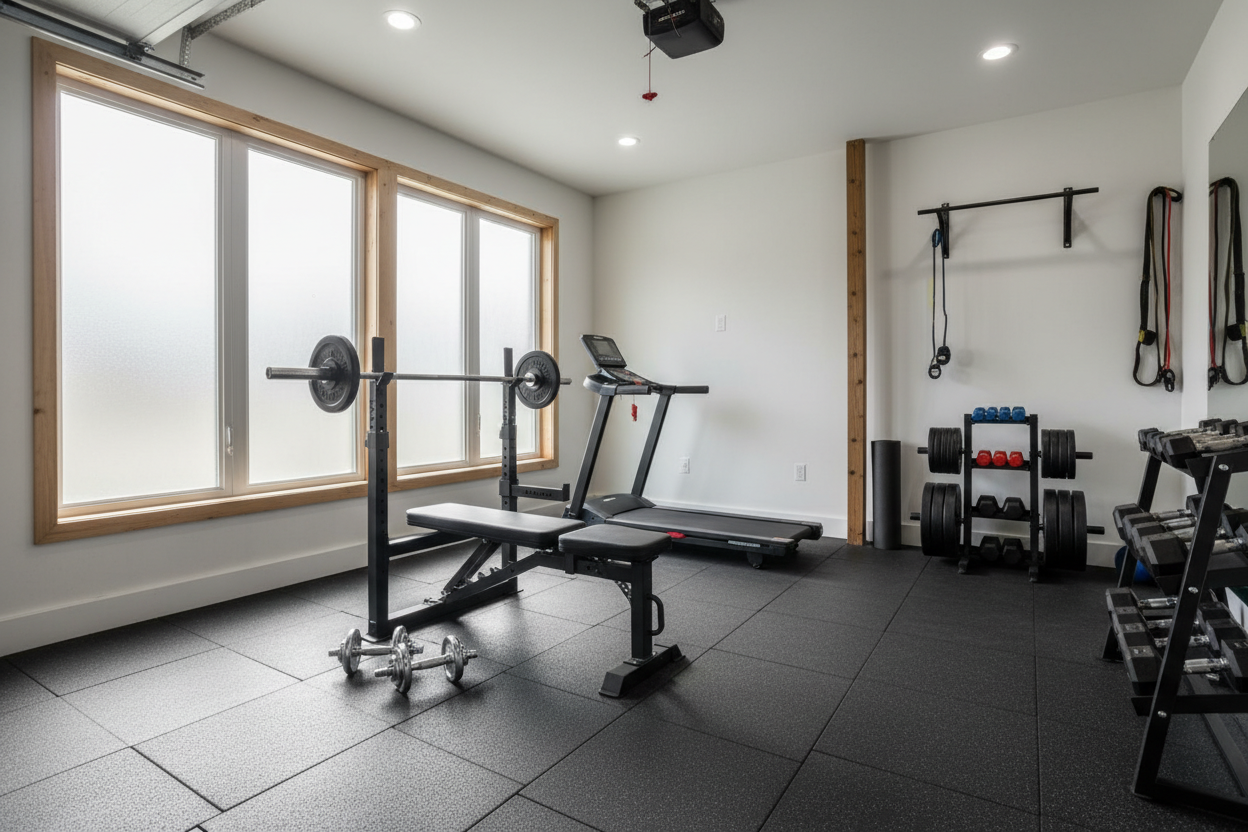
I remember my first home gym setup like it was yesterday. I was scrolling through retail sites, frustrated by my local commercial gym’s new 'no chalk' policy, and I saw it: a complete bench with weights for less than the cost of a three-month membership. It looked like the ultimate shortcut. One box, one delivery, and I’d be benching in my garage by Friday. No hunting for individual plates or measuring rack widths.
But three weeks later, I was staring at a bent barbell and a pile of plates that wouldn't fit on anything else I owned. If you are looking for a weight bench & weights for sale, you are standing at a crossroads. You can either buy a setup that grows with you, or you can buy a proprietary ecosystem that traps you in a dead-end lifting experience. Let's talk about why that 'all-in-one' box is often a ticking clock on your progress.
Quick Takeaways
- Standard 1-inch bars are significantly weaker and have lower weight capacities than 2-inch Olympic bars.
- Most bundled 'bench and weight' sets use thin 14-gauge steel that can feel unstable over 200 pounds.
- Standard plates are not interchangeable with Olympic equipment, meaning you'll have to rebuy everything later.
- Investing in a separate bench and Olympic barbell is always cheaper in the long run.
The Alluring Trap of the All-In-One Box
The convenience of a weight lifting bench with weights in a single box is a powerful marketing drug. It promises a turnkey solution for your garage. For a beginner, a weight bench including weights seems like a steal because it removes the 'gym math' of figuring out which plates fit which bar. You see the photo, you see the price, and you hit buy.
The problem is that these manufacturers often prioritize shipping weight and box dimensions over long-term durability. To get that box to your door at a low price point, they have to cut corners on the steel thickness and the diameter of the bar. Instead of a reliable weight bench collection piece that handles 600+ pounds, you get a narrow-frame unit that feels like it might tip if you sneeze too hard during a PR attempt.
Standard vs. Olympic: The Dealbreaker You Didn't Notice
This is where most people get burned. Almost every beginner bench with weights and bar set uses 'Standard' sizing. This means the bar and the holes in the plates are 1 inch in diameter. The gold standard—the stuff you see in every real gym—is 'Olympic' sizing, which is 2 inches. This isn't just a minor difference; it’s a total lack of compatibility.
If you buy weights and bench bar sets in the 1-inch variety, you are stuck. You cannot buy a high-quality power rack later and use those plates. You cannot buy a 45-pound Texas Power Bar and use those plates. Furthermore, these 1-inch bars are usually hollow or made of low-grade steel. When you look at the actual bench press bar weight of these starter sets, you'll find they often weigh a measly 15 to 25 pounds, rather than the 45-pound standard. This makes tracking your progress a nightmare when you eventually move to real equipment.
Why Your Starter Setup Maxes Out at 200 Pounds
I’ve seen plenty of bench press bench and weights combos advertised with 'heavy duty' labels, but the specs tell a different story. If the uprights are made of 14-gauge steel or thinner, you’re playing a dangerous game. Most of these weights and weight bench bundles have a total weight capacity—including the lifter—of around 300 to 400 pounds.
If you weigh 200 pounds and you’re benching 150, you are already redlining the structural integrity of the barbell weights bench. You'll feel the uprights sway as you re-rack the weight. A real bench should feel like a tank, not a folding chair. When you buy a weight bench with weight bar as a bundle, you're often getting the thinnest steel possible to keep the shipping costs down.
The Truth About Flimsy Leg Extensions and Attachments
Many people are drawn to an adjustable weight bench with weights because it includes 'bonus' features like a leg developer or a preacher curl pad. On a budget set, these are almost always garbage. The pivot points use cheap plastic bushings instead of bearings, meaning the movement is jerky and inconsistent.
The foam rollers are usually thin and start to compress into nothing after a month of use, leaving the metal pipe digging into your shins. If you really want those features, you need a weight bench with barbell rack designed to handle the mechanical stress of those movements without wobbling. Most 'all-in-one' attachments are just there to make the Amazon thumbnail look more impressive.
How to Build a Proper Barbell Setup Without Breaking the Bank
My advice? Skip the 'kit.' If you want a setup that lasts a decade, buy your components separately. Look for an olympic weight bench and weights for sale that actually uses 2-inch sleeves. This ensures that every plate you buy for the rest of your life will fit every bar you ever own.
Start with a sturdy adjustable weight bench that isn't attached to the rack. This gives you the flexibility to use the bench for dumbbell work or move it inside a power rack later. Buy a dedicated 7-foot Olympic bar and a basic set of iron plates. It might cost 20% more upfront, but you won't be selling it on Craigslist for pennies on the dollar six months from now when you realize you've outgrown the 1-inch 'starter' trap.
My Honest Mistake
I once bought a 'standard' bench with weights and bar from a big-box store because it was on clearance. I thought I was being smart. Two months in, I was strong enough to bend the bar during a set of squats (yes, I was squatting off the bench uprights—don't do that). I tried to buy more plates to keep progressing, only to realize that no one sold 25-pound 'standard' plates locally. I ended up having to scrap the whole thing and buy an Olympic set anyway. I basically paid a 'cheap tax' of $200 for my own impatience.
FAQ
Can I use Olympic plates on a standard 1-inch bar?
Technically, they will slide on, but they will be incredibly loose and dangerous. They will rattle and shift during your lift, which can throw off your balance. It is not recommended.
Is a 1-inch bar strong enough for most people?
For a complete beginner, yes. But most men will outgrow the weight capacity of a 1-inch bar within their first six months of consistent training. It's a short-term solution for a long-term goal.
Why is Olympic equipment more expensive?
You're paying for better steel, higher weight capacities, and standardized sizing. Olympic bars have revolving sleeves that protect your wrists during lifts—standard bars don't.
Share:
How to Use Machines at Planet Fitness Without Feeling Embarrassed
Is That Cheap Weights Bench on Sale Actually Safe to Lift On?