
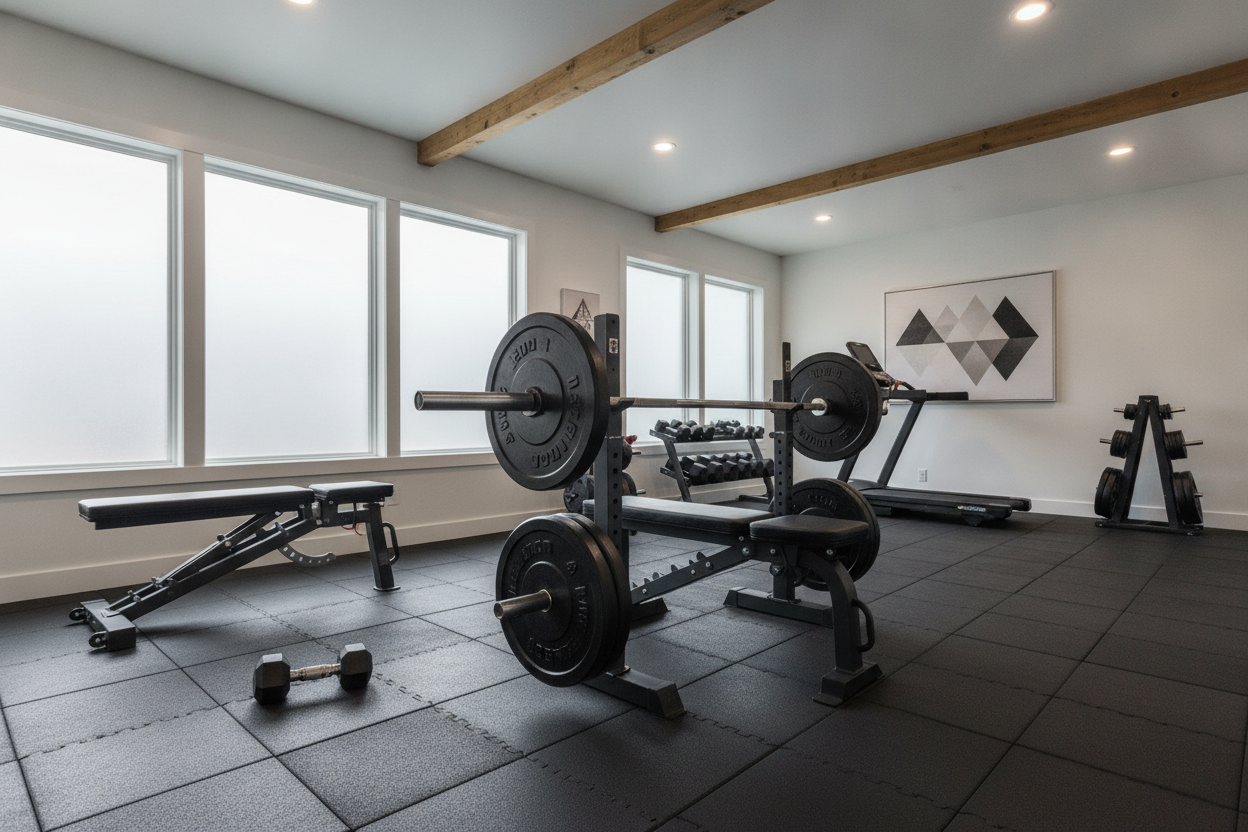
I remember the first time I ordered an all-in-one gym set online. I was tired of the local commercial gym’s 'no chalk' policy and wanted to train in my garage. When the box arrived, I genuinely thought they’d sent me a scale model for a dollhouse. The weight bench with barbell and weights I’d bought was so narrow I couldn't even get my hands into a proper pressing position without hitting the uprights.
Most of these kits are designed to fit on a single shipping pallet, not to accommodate a 200-pound adult trying to move real weight. If you aren't careful, you’ll end up with a setup that’s too short, too narrow, and frankly, dangerous for your shoulders. Let’s look at how to spot the 'toy' versions before you waste your cash.
Quick Takeaways
- Standard bench height should be 17-18 inches; many combos sit at a low 15 inches.
- A 5-foot bar is a red flag—it forces a narrow grip that kills your shoulders.
- Check the weight capacity carefully; '300 lbs' often includes the user's body weight.
- Standalone pieces usually outperform combos in stability and longevity.
The Shrinkflation of the Modern Starter Gym
The industry has a dirty little secret: shipping steel is expensive. To keep prices low on Amazon or at big-box retailers, manufacturers shave inches off every dimension. They shorten the bar, narrow the rack, and thin out the padding. What you see in the glossy photos is often a 5-foot-6 model who makes the equipment look massive.
When you actually sit on it, you realize the 'full-sized' bench is barely longer than your torso. This isn't just about comfort; it's about physics. A smaller footprint means a higher center of gravity and a much higher chance of the whole thing tipping over if you rack the weight unevenly. If you're serious about a standalone weight bench models, you'll notice they have much wider feet and heavier gauge steel for a reason.
The 3 Specs That Give Away a 'Toy' Setup
First, check the pad height. A standard IPF-spec bench is roughly 17.5 inches from the floor. Many combo units sit at 15 or 16 inches. That might not sound like much, but it means your legs are tucked up too high to get any meaningful leg drive. You’re essentially pressing from a squatting position.
Second, look at the inside rack width. If the uprights are less than 40 inches apart, you’re in trouble. You’ll be forced to use a 'close grip' for every single set of chest press. This puts massive strain on your wrists and elbows. Third, check the bar type. If it’s a 1-inch diameter 'standard' bar rather than a 2-inch Olympic bar, you are buying into a dead-end ecosystem where you can't easily upgrade your plates later.
What Actually Happens When You Lift on a Narrow Rack
I’ve spent months training on a narrow Marcy weight bench and weights set in a cramped apartment. The biggest issue isn't the weight—it's the re-rack. When you’re at failure on your last rep, you want to slam that bar back into the cradles. On a narrow setup, your hands are usually exactly where the cradles are.
I’ve pinched my fingers more times than I can count because there was nowhere for my hands to go. Beyond the pain, a narrow bench with barbell prevents you from flaring your elbows or finding a wide powerlifting grip. You’re stuck in a biomechanical 'no man's land' that limits how much weight you can actually move.
How to Find a Full-Sized Setup Without Going Broke
If you have the budget, I always recommend buying a separate rack and bench. But if you need a weight and bench combo, look for 'mid-width' or 'Olympic-width' sets. These are designed to hold a 7-foot bar and have uprights spaced wide enough that you can actually bench with a normal grip.
A smarter move for most people is to grab a heavy-duty adjustable weight bench OWB01 and pair it with a set of independent squat stands. This gives you the flexibility to move the stands out of the way for lunges or squats, and you aren't locked into the tiny dimensions of a fixed press station. It costs about the same but lasts five times longer.
The Verdict: When an All-In-One Box Actually Makes Sense
Is a workout bench with barbell and weights ever a good idea? Yes—if you are truly tight on space and just starting out. If you only have a 4x6 foot corner in a spare bedroom, a compact combo is better than doing nothing. Just be honest about your ceiling. You will outgrow a 100-lb plastic-coated concrete set in about three months of consistent lifting.
If you want a combo that actually has some utility, look for the Weight Bench With Barbell Rack Z3. It includes the leg developer and preacher curl attachments which add variety to your accessory work without sacrificing the core integrity of the frame. Just make sure you measure your wingspan before you click 'buy.'
Personal Experience: The 'Marketplace' Mistake
I once bought a 'standard' 1-inch bar and bench set for $50 on Facebook Marketplace. I thought I got a steal. Within two weeks, the bar had a permanent slight bend from just 150 lbs, and the bench wobbled so much I felt like I was lifting on a bowl of Jell-O. I ended up giving it away for free and buying a real rack. Don't be like me. Buy the steel you'll need a year from now, not just what you need today.
FAQ
Can I use an Olympic bar on a standard narrow bench?
Technically yes, but it’s dangerous. A 7-foot Olympic bar is much wider than the supports on a narrow bench. If you load one side with a 45-lb plate before the other, the bar will likely tip over and fly off the rack. Stick to the bar size the rack was designed for.
What is the weight limit for most combo benches?
Most entry-level sets are rated for 250 to 300 lbs. Crucially, this usually includes the user. If you weigh 200 lbs, you can only safely lift 50-100 lbs on that bench. Always look for the 'static weight capacity' of the frame itself.
Are plastic-coated weights any good?
They are quiet and cheap, but they are bulky. Because sand or concrete is less dense than iron, a 25-lb plastic plate is twice as thick as an iron one. You’ll run out of room on the sleeve of a short bar very quickly.
Share:
Don't Buy a Machine for Working Out Until You Check These 4 Specs
Why Your Compact Home Fitness Device Is Wrecking Your Shoulders