
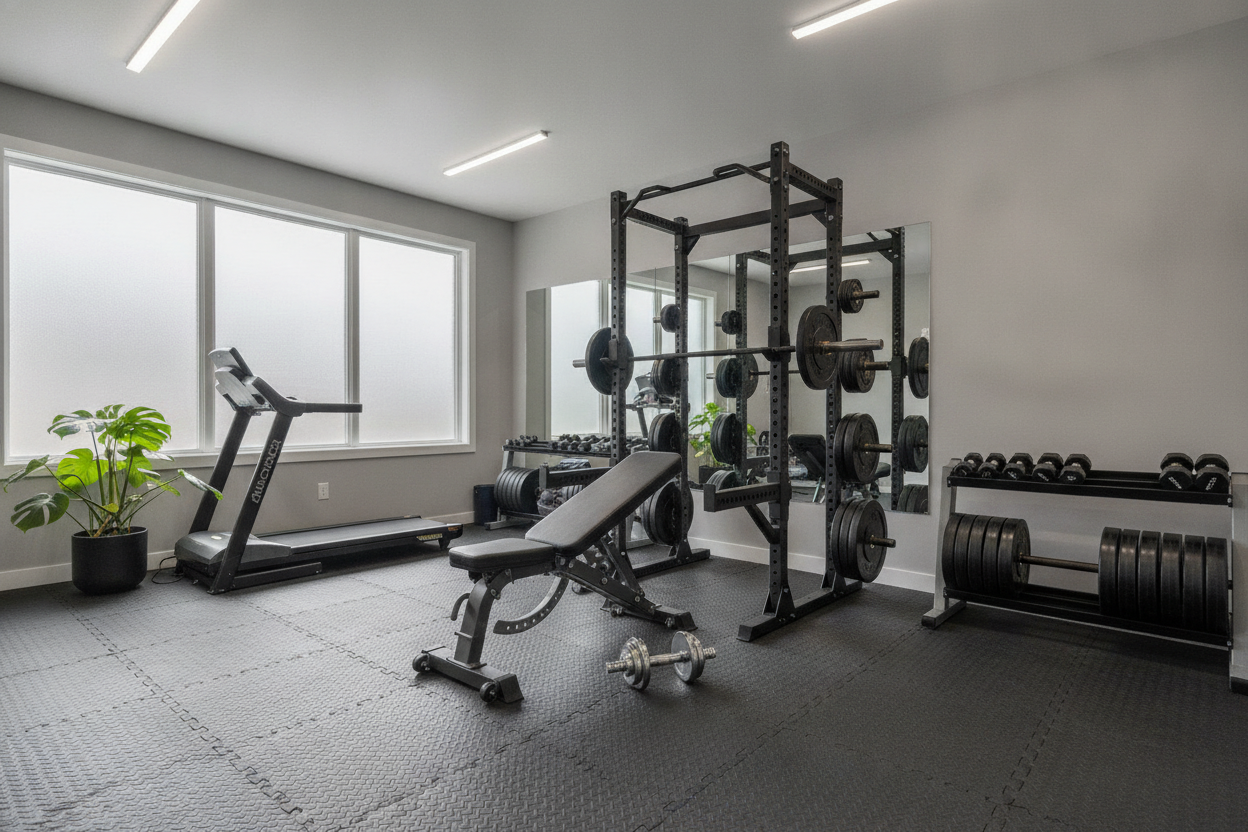
I remember my first 'pro' bench. I bought it off a generic UK marketplace, thinking a bench is a bench. Three weeks later, I was halfway through a set of dumbbell presses and the frame creaked so loud my wife came into the garage to see if I'd died. Finding a weight bench uk lifters can actually trust is surprisingly difficult because the local market is flooded with flimsy, narrow-padded junk designed for people who only lift on New Year's Day.
Quick Takeaways
- Look for at least 11 or 12-gauge steel; 14-gauge is basically a glorified lawn chair.
- Avoid 'standard' width benches if you value your rotator cuffs; aim for a 12-inch pad width.
- Ladder-style adjustment systems are safer and faster than threaded pop-pins.
- Check the total weight capacity (user + weights) before you buy; many cheap benches tap out at 150kg.
The Local Market Problem: Narrow Pads and Wobbly Steel
Most UK retailers stock 14-gauge steel benches because they are lightweight and cheap to ship. But if you are over 80kg and moving any real weight, that frame is going to flex under your shoulder blades. You want a frame with 2mm or 3mm wall thickness. Once you graduate from the wobbly starter kits found in big-box stores, you'll realize that investing in a solid weight bench is the difference between focusing on your chest and focusing on not falling over mid-rep.
I look for 50x50mm or 75x75mm steel tubing. Anything smaller feels like you're balancing on a tightrope. A heavy-duty frame also stays put. There is nothing more distracting than a bench that slides across the concrete floor every time you try to set your leg drive.
Why You Should Skip the Vinyl Starter Set Trap
We have all seen the 'weight bench with weights uk' bundles for under a hundred quid. It looks like a bargain until you realize the plates are vinyl shells filled with sand or concrete. They are bulky, they leak, and the bench itself is usually so narrow that your hands are practically touching the uprights when you grip the bar. It is a false economy.
I've looked at whether a Proform weight bench with weights can actually bridge that gap. While some name brands offer better quality control than no-name imports, most bundles still sacrifice the bench's structural integrity to keep the shipping weight down. You are almost always better off buying a standalone heavy-duty bench and sourcing your plates separately.
What Actually Makes an Olympic Weight Bench UK Proof?
If you are serious about benching, a real olympic weight bench uk spec needs to be wide. Standard benches are often 10 inches wide or less. That is a recipe for shoulder impingement because your scapula has no room to retract. You want a 12-inch (30cm) pad width. This provides the shelf you need to actually drive your shoulders into the foam.
Also, check the J-hook spacing. A true Olympic rack should allow you to use a 7ft barbell with plenty of room to spare. If the uprights are too narrow, you will be catching your pinkies on the steel every time you re-rack a heavy set. That is not just annoying; it is dangerous.
Adjustable vs. Flat: Where Should You Spend Your Quid?
Flat benches are tanks—there are no moving parts to break. But if you want to hit incline or decline work, you need a solid mechanism. Cheap benches use a single pop-pin that can shear or bend under heavy loads. I much prefer a adjustable weight bench with a ladder-style catch. It is faster to change between sets and there is no pin to fumble with when you are gassed.
Check the 'pad gap' too. When you move an adjustable bench into the flat position, some have a massive 3-inch gap between the seat and the backrest. It feels like you're falling into a hole. Look for designs that minimize this gap so your lower back stays supported.
The All-In-One Stations: When Do They Actually Make Sense?
I used to be a purist who hated on multi-stations, but they have improved massively. If you are tight on space, an all-in-one bench with a barbell rack can be a lifter's best friend. The key is the center of gravity. If you are doing leg extensions or preacher curls on the front attachment, the rear stabilizer needs to be wide enough to prevent the bench from tipping forward.
I recommend these for garage gyms where you don't have room for a separate leg curl machine. Just ensure the attachments don't rattle. A 'clunky' attachment usually means the tolerances are off, which leads to a frustrating workout.
My Final Checklist Before You Hit 'Buy'
Don't get blinded by marketing photos. Check these four specs: First, the pad gap—keep it under 2 inches. Second, the weight capacity—aim for at least 250kg. Third, the steel gauge—11 or 12 is the goal. Finally, the footprint—make sure it fits your space without blocking your rack.
FAQ
What is the best pad width for a bench?
12 inches (approx 30cm) is the gold standard. It’s wide enough to support your shoulders during a heavy press without being so wide that it restricts your range of motion.
Do I need an Olympic-sized bench?
Only if you plan on using a 7ft Olympic barbell. If you only use dumbbells, a high-quality adjustable bench without the attached rack is usually a better use of your floor space.
Why does my bench wobble?
It’s usually one of two things: uneven flooring or thin 14-gauge steel that is twisting under load. If your floor is flat and it still wobbles, the frame isn't rigid enough for your weight.
Share:
Why I Stopped Trusting Most Garage Gym Reviews Online
A Full-Body Matrix Machine Workout for Lifters Who Hate Machines