
I spent years chasing a 500-lb deadlift and sneering at anyone holding a bar with plastic-coated plates. I thought barbell class exercises were just cardio for people who were afraid of real iron. I was the guy who would take five-minute rest periods between triples, scrolling through my phone while my heart rate barely broke 100. Then I actually tried a 60-minute high-rep session, and realized my 'functional' strength had some massive, embarrassing holes.
Quick Takeaways
- High-rep work fixes the 'gasping for air' problem that plagues powerlifters after a set of five.
- Time-under-tension (TUT) builds a specific type of mental toughness that heavy singles can't touch.
- You don't need specialized studio gear; a standard 45-lb bar is a massive upgrade for these routines.
- It is a top-tier way to break through hypertrophy plateaus by introducing metabolic stress.
Confession Time: I Used to Hate Group Fitness Lifting
For a decade, my training was simple: lift heavy, rest long, repeat. I viewed any weight lifting bar workouts that involved more than ten reps as a waste of time. I thought if you weren't grinding out a near-maximal effort, you weren't getting stronger. That ego hit a brick wall during a guest pass visit to a commercial gym. I followed a friend into a 'Power Pump' style class, thinking I'd be the alpha in the room because I could out-squat the instructor by 200 pounds.
Three minutes into the first squat track, my quads were screaming. Five minutes in, my lower back was pumped so tight I could barely hinge. By the time we got to the overhead presses, I was shaking. I had spent so long focusing on absolute strength that I had zero muscular endurance. I was strong for three seconds at a time, but useless for sixty. It was a humbling realization: being able to move a mountain once doesn't mean much if you can't move a molehill fifty times without gassing out.
What Makes Barbell Class Exercises Completely Different?
The biomechanics of a high-rep weight bar workout are fundamentally different from traditional strength training. When you're doing five reps of a heavy deadlift, you're focusing on neurological recruitment—teaching your brain to fire every muscle fiber at once. When you do 80 reps of a squat without locking out, you're shifting the focus to metabolic stress and time-under-tension. You are essentially trapping blood in the muscle, creating an environment that forces your body to adapt to lactic acid buildup.
This isn't just 'cardio with a bar.' It's a different metabolic pathway. Traditional weight lifting barbell exercises usually stay within the ATP-PC or anaerobic phases. High-rep studio routines push you into the glycolytic territory and stay there. You’ll feel a burn that a heavy triple can never replicate. This type of training thickens the sarcoplasm in the muscle cells, which is why those 'class' regulars often have incredible muscle definition even if they don't have a massive 1RM.
Translating the Studio Workout to Your Garage Gym
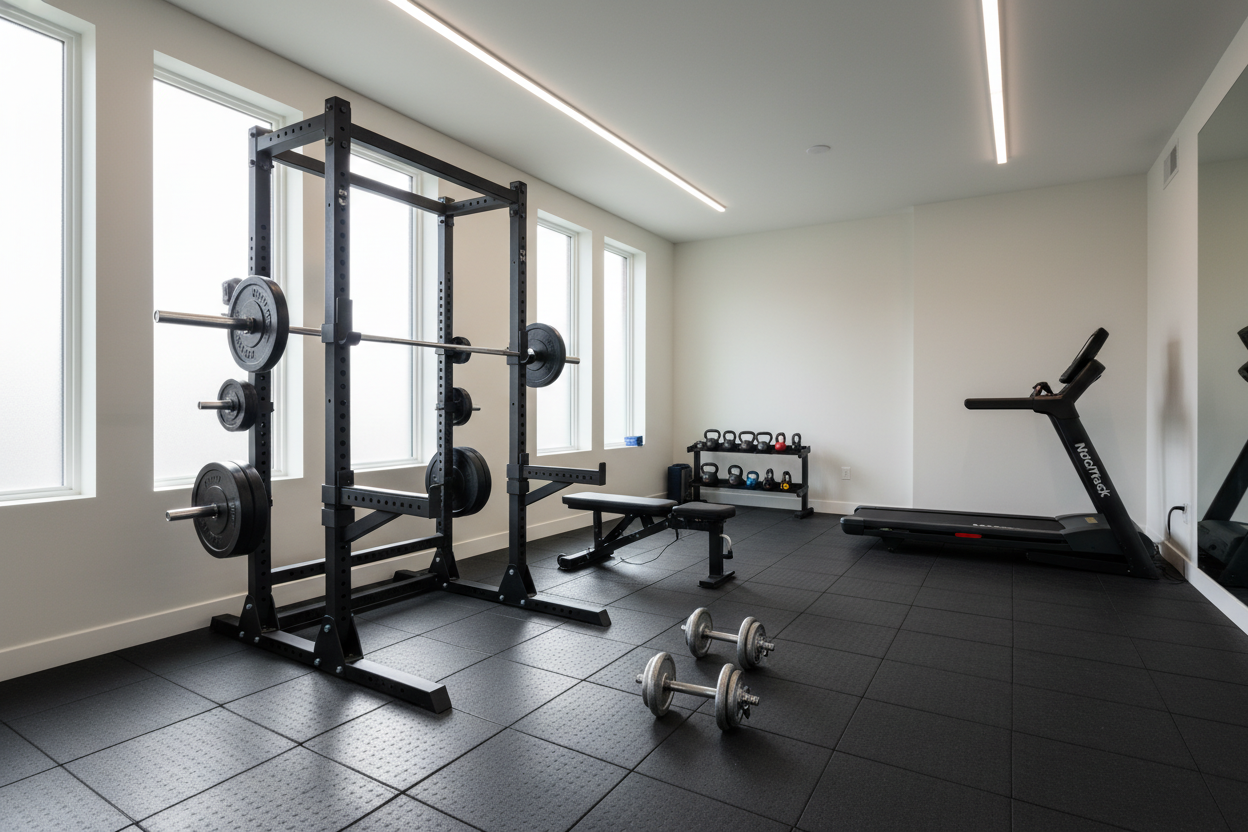
You don't need to buy those colorful, tiny plates to get the benefits of these routines at home. In fact, using a real bar is better. A standard 20kg Olympic barbell PB01 is actually a beast for this because the thickness and the knurling make it harder to hold for long durations than the smooth, skinny bars used in studios. If you're used to heavy lifting, the empty 45-lb bar might seem like a joke, but try doing four minutes of continuous movement with it.
Scaling is the key. Most studio classes use 'units' of weight—small, medium, and large. In your garage, you just need to do the plate math. For a squat track, aim for 20-30% of your max. For upper body, start with the empty bar. The goal isn't to hit a PR; it's to never put the bar down until the timer stops. If you have a bar with decent rotation, it’ll actually save your wrists during the faster transitions common in these weight bar exercise sequences.
The 'Big Three' Studio Sequences You Should Steal
If you want to try this without the loud music and the neon lights, start with these three sequences. First, the Continuous Tension Squat. Don't lock out at the top. Go down to parallel, come up 90% of the way, and immediately drop back down. Do this for 60 seconds straight. Your quads will feel like they're on fire after about 40 seconds.
Next is the Dead-Row. This is a staple bar strength exercises move. You perform one deadlift, then one bent-over row, then stand back up. It sounds easy until you're on rep twenty. It hammers your posterior chain and forces your core to stabilize while you're fatigued. Finally, try the Clean-and-Press Burnout. This isn't a technical Olympic lift; it's a muscle clean followed by a strict press. Keep the bar close to your body and focus on a rapid, rhythmic tempo. This is where most people's form breaks down, so keep your core braced tight.
Can You Do These With a Smith Machine?
I get asked a lot if you can do these routines on a machine. You can, but you're losing about 30% of the benefit. Free bar exercises require you to stabilize the weight in three dimensions. When you're doing high-rep standing bar exercises, those tiny stabilizer muscles in your hips and core are working overtime. On a machine, that work is done for you.
However, if you're dealing with an injury or have a limited setup, a machine can work. Just make sure you know what you're actually lifting. You should check the Precor Icarian Line Smith Machine bar weight or the specs for whatever rack you have, as those bars are often counterbalanced and weigh significantly less than a standard Olympic bar. If the bar only weighs 15 or 25 lbs, you’ll need to add more plates to match the intensity of a free-weight session.
The Verdict: Should You Actually Try This?
I stopped being a snob because I realized that being 'strong' is a multi-faceted thing. If you can lift a house but can't carry a heavy bag of groceries up three flights of stairs without needing a seat, are you actually fit? Mixing in one or two days of high-rep barbell conditioning will make your heavy days feel like a breeze because your work capacity will skyrocket.
Don't overthink the gear or the 'vibe' of the classes. Just grab a quality Olympic barbell, put on a timer, and move. Your goal is 30 minutes of near-constant movement with light to moderate weight. You'll sweat more than you do during your heavy sets, and your recovery time between heavy lifting sessions will actually improve. It’s the ultimate way to build a bulletproof engine.
FAQ
Is this just for weight loss?
No. While the caloric burn is higher than traditional lifting, the primary benefit is muscular endurance and sarcoplasmic hypertrophy. It builds the 'pump' that helps with muscle shape and work capacity.
Will I lose my strength if I do high reps?
Only if you stop lifting heavy entirely. Use these routines as a supplement—one or two days a week—to your existing heavy program. It actually helps strength by improving blood flow and recovery.
Can I use a 1-inch standard bar?
Yes, any bar works. However, the 2-inch Olympic sleeves provide better rotation, which is much easier on your wrists and elbows during high-rep cleans and rows.
Share:
I Finally Figured Out What Is the Best At Home Gym Equipment
I Built the Marcy Smith Machine SM-4008. Was It Worth the Headache?