
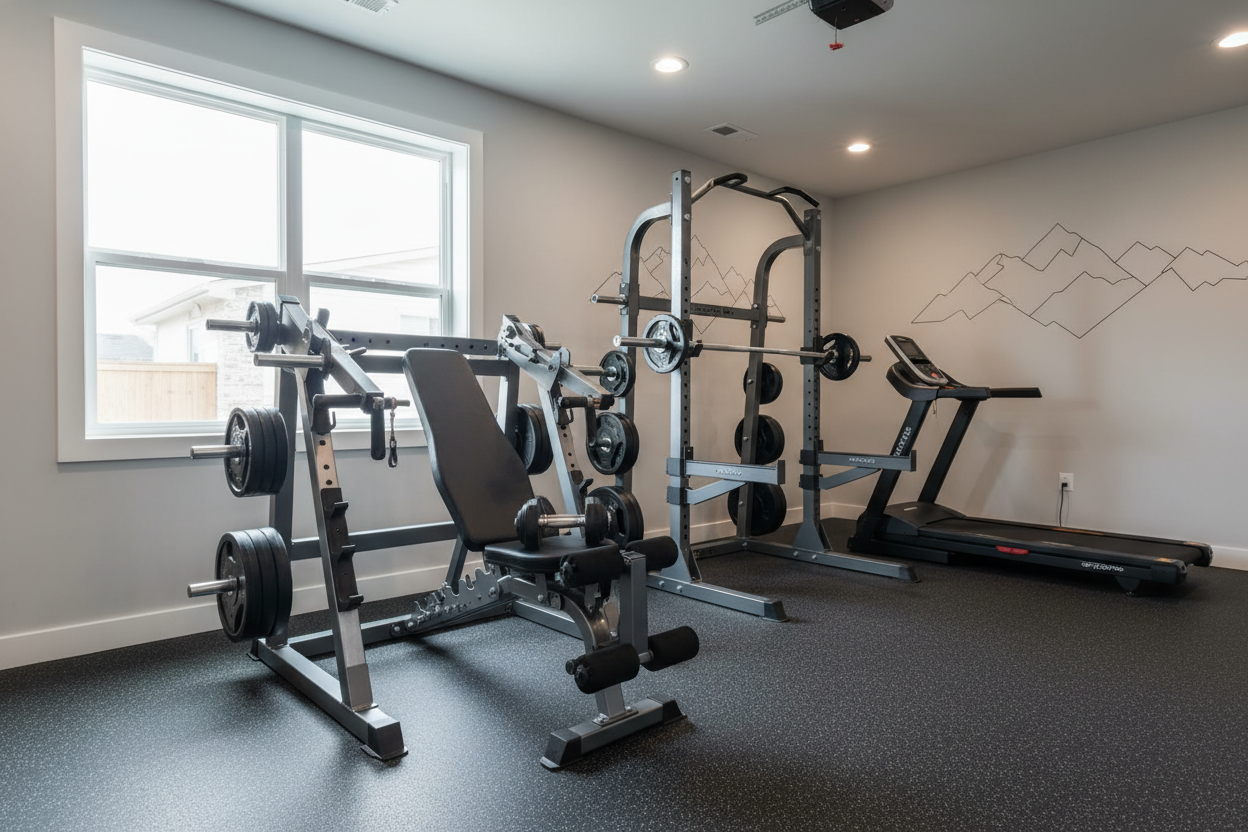
I remember the first time I tried to squeeze a full strength routine into a 10x10 corner of my garage. I spent hours scrolling through marketplace listings and Amazon, convinced that if I just bought the right all-in one weight bench, I wouldn't need anything else. I pictured myself hitting heavy chest presses, leg extensions, and preacher curls all on one glorious piece of steel. The reality? I ended up with a wobbly, frustrating piece of equipment that did four things poorly instead of one thing well.
Quick Takeaways
- Stability is non-negotiable: If the bench shakes with an empty bar, it’s a liability.
- Biomechanics matter: Cheap leg attachments often put shear force on your knees.
- Steel gauge: Look for 11-gauge steel; skip anything made of thin 14-gauge tubing.
- Modular is better: Buy a solid base and add quality attachments later.
The Swiss Army Knife Problem in Home Gyms
The allure of the all in one weight bench is simple: it promises to save you space and money. But in the world of iron, versatility is often the enemy of structural integrity. When a manufacturer tries to cram a leg developer, a preacher pad, and fly arms onto a frame that weighs less than 75 pounds, they have to cut corners. Usually, those corners are the thickness of the steel and the quality of the welds.
I’ve tested dozens of these combo units, and the chest fly attachments are almost always the first thing to fail. They use thin bushings that grind after three sessions and offer zero resistance at the top of the movement. If you actually want to build a chest, a dedicated weight bench chest press machine with independent arms is a different universe of quality. It provides a natural arc of motion that these bolt-on attachments simply can't replicate. When you try to do everything with one frame, you end up with a jack-of-all-trades that leaves your gains on the table.
Why the Leg Attachments Always Feel Awkward
Let’s talk about the 'leg developer' found on almost every budget all-in one workout bench. Usually, the pivot point is set too low or too high for anyone who isn't exactly 5'9". This results in the foam rollers dragging across your shins or digging into your ankles in a way that feels more like a torture device than a quad builder. I’ve seen people complain about knee pain after using these, and it’s almost always because the biomechanics are fundamentally broken.
The rollers themselves are typically made of cheap, low-density foam that compresses to nothing the second you load more than two 25-pound plates. Before you commit your floor space to a combo unit, you need to decide if a leg press weight bench actually worth the space for your specific goals. Often, you’re better off with a dedicated leg machine or sticking to split squats on a stable surface rather than fighting a subpar attachment every Tuesday morning.
The Wobble Factor During Heavy Pressing
There is nothing more terrifying than unracking 225 pounds and feeling the entire bench shift two inches to the left. Most multi-function benches rely on a series of pins and sliding brackets to adjust for different exercises. Every one of those adjustment points introduces 'slop' into the system. Over time, those holes ovalize, and the bench starts to feel like it’s sitting on a bowl of Jell-O.
A standard heavy duty weight bench is built with a wide tripod or U-shaped base and minimal moving parts for a reason: safety. When you're pushing for a PR, you need to know the backpad isn't going to slip because a spring-loaded pin didn't seat correctly. High-end benches use 3x3 inch 11-gauge steel. Most all-in-one units use 2x2 inch 14-gauge steel. That might not sound like a big difference, but when you're under the bar, you’ll feel every bit of that missing mass.
How to Spot an All-In One Workout Bench That Actually Works
If you are absolutely dead-set on a multi-function unit because you’re living the apartment gym life, you have to be picky. Don't buy anything from a brand you can't find a real torture-test video for. You want a bench that weighs at least 80 pounds on its own before you even add the attachments. Look for a weight capacity of at least 800 pounds—this covers you, the bar, and the potential for growth.
The best designs are modular. Instead of having everything permanently bolted on, look for a rock-solid adjustable weight bench setup that features a front-end receiver tube. This allows you to plug in a preacher curl or leg attachment when you need it and toss it in the corner when you don't. This keeps the footprint clean and ensures the bench stays stable during your primary heavy lifts.
When You Should Just Buy Separate Pieces
Building a home gym is a marathon. I know the temptation to buy a 'gym in a box' is strong, but you’ll likely end up replacing it within a year. I’ve spent more money 'upgrading' cheap gear than I would have spent just buying the right stuff the first time. Start with a high-quality adjustable bench and a rack. You can do 90% of your work there.
If you want leg extensions, buy a dedicated unit later or look into cable attachments. If you want a preacher curl, use the incline setting on your bench and a dumbbell. Your joints and your PRs will thank you for choosing stability over a dozen mediocre features.
My Honest Mistake
Years ago, I bought a 'pro' combo bench that had a built-in squat rack attached to the back. It looked great in the photos. The first time I tried to rack a heavy set of squats, the whole unit tipped forward because the bench didn't have enough counterweight. I had to ditch the bar and nearly took out my water heater. It taught me a valuable lesson: if a piece of equipment tries to be everything, it's usually dangerous at something.
FAQ
Can I use an all-in-one bench for powerlifting?
Generally, no. Powerlifting requires a bench that meets specific height requirements and offers zero movement. Most combo units are too tall or too narrow to allow for a proper leg drive and arch.
Are the leg attachments on these benches olympic or standard size?
Most budget models come with 1-inch standard pegs. You’ll often need an adapter sleeve to use 2-inch Olympic plates, which adds more cost and more potential for the weights to rattle around.
How do I stop my bench from sliding on stall mats?
If your bench is sliding, it’s likely too light. You can try adding rubber feet, but the real fix is a heavier frame with a wider footprint. No amount of grip tape can fix a lack of mass.
Share:
The Best Machines at the Gym You Should Actually Copy at Home
Why I Tell Beginners to Buy a 5-35 lb Dumbbell Set First