
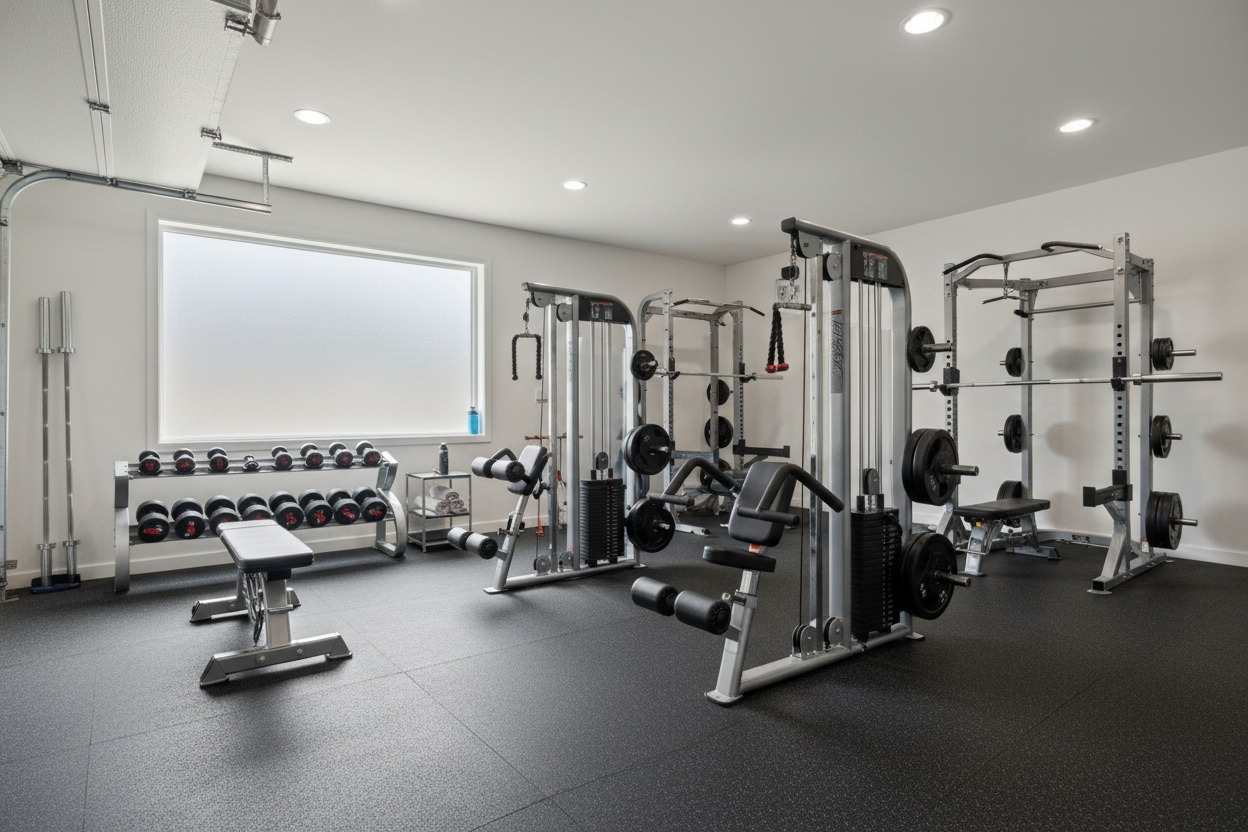
I used to be a total barbell snob. I spent years convinced that if you weren't wrestling with a heavy EZ-bar or a pair of 50-pound dumbbells, you weren't really training. I thought machines were for people who didn't want to work hard. Then my elbows started screaming at me every time I touched a skullcrusher, and my bicep growth hit a wall that no amount of 'functional' training could break.
I finally swallowed my pride and started experimenting with the best arm machines at gym setups in my local powerhouse. What I found was a level of localized fatigue and muscle pump that free weights simply couldn't match. It turns out, gravity is a bit of a one-trick pony, and machines offer mechanical advantages that your dumbbells just don't have.
Quick Takeaways
- Machines provide constant tension, whereas dumbbells have 'dead zones' at the top and bottom of movements.
- The seated preacher curl machine is the ultimate tool for eliminating the 'cheat swing.'
- Cables are significantly more forgiving on your elbow joints than heavy barbell extensions.
- Using machines allows you to train to absolute failure without needing a spotter to catch a falling weight.
The Free Weight Myth (And Why I Swallowed My Pride)
The biggest problem with dumbbells is the resistance curve. Think about a standard bicep curl. At the very bottom, there is almost no tension on the muscle. At the very top, when the weight is stacked over your elbow, the tension disappears again. You’re really only working in that middle 50% of the movement.
The best arm machines use cams—those kidney-shaped pulleys—to vary the resistance. This means the machine is heaviest where you are strongest and tapers off where you are weakest. You get constant mechanical tension from the first inch of the rep to the last. When I switched to machines for my isolation work, the constant tension felt like a literal shock to my system.
If you want hypertrophy, you need time under tension. Dumbbells are great for stabilizers, but when it comes to pure muscle growth, the best machines for arms keep the muscle loaded for the entire set. No breaks, no resting at the top, just pure work.
The Selectorized Preacher Curl: Your Biceps' Best Friend
The seated preacher curl machine is arguably the most effective bicep builder ever designed. Why? Because it’s almost impossible to cheat. When you stand up with a barbell, your hips, lower back, and shoulders all want to help out. On a machine, your arm is locked against a pad, isolating the bicep completely.
I’ve found that this machine is the king of targeting the short head of the bicep—that's the part that gives you width and thickness when looking from the front. Some of the best machines at the gym you should actually copy at home are the ones that enforce this level of strictness, as it prevents the momentum that ruins most arm days.
Pro tip: Don't just sit and pull. Press your chest firmly into the pad and keep your armpits snug against the top edge. This ensures your shoulders stay out of the movement and the bicep does 100% of the heavy lifting.
Why Cable Stations Are the Undisputed Kings of Triceps
If your elbows hurt after a heavy tricep session, you aren't alone. Barbell skullcrushers are notorious for causing tendonitis. Cable stations, which I consider the most versatile best arm machines at the gym, solve this by providing a smoother, more adjustable path of motion.
Pushdowns and overhead cable extensions allow you to tweak your hand position and the angle of pull to find the 'sweet spot' for your joints. Unlike a dumbbell, where the weight is always pulling straight down, a cable allows you to pull from behind or from the side. This constant tension through a long range of motion is what actually builds that tricep horseshoe.
I personally prefer using a long rope attachment over a straight bar. It allows you to 'pull the rope apart' at the bottom of the rep, which gives a peak contraction that you simply cannot get with a fixed metal bar.
The Seated Dip Press (Saving Your Shoulders)
Bodyweight dips are a fantastic compound movement, but they can be absolute hell on the AC joints in your shoulders. Once you add a weighted belt into the mix, the risk of injury skyrockets. The seated triceps dip machine allows you to get that same heavy pressing stimulus without the shoulder instability.
By sitting in a fixed seat, you can focus entirely on driving the handles down using your triceps. It allows you to push to absolute failure safely. If you can't finish a rep, you just let the handles up; you aren't stuck at the bottom of a dip station struggling to jump back up.
This is a 'finisher' movement for me. After I've done my heavy pressing, I'll hit the dip machine for high-rep sets of 15-20 to completely engorge the muscle with blood. It provides a level of safety that allows you to train much closer to the edge than you could with bodyweight.
Independent Arm Presses: The Secret Tricep Finisher
Most people see a chest press machine and think 'pecs.' But if you use a machine with independent arms on pressing machines, you can actually repurpose it for serious tricep overload. By tucking your elbows in tight to your ribs and using a neutral grip, you turn a chest press into a heavy tricep extension.
The independent movement is key here. Most of us have one arm that is slightly stronger than the other. On a standard barbell press, the strong side takes over. With independent arms, each tricep is forced to carry its own weight. This is the fastest way to fix muscle imbalances and ensure both arms are growing at the same rate.
I usually move to this after my primary chest work is done. My chest is already fatigued, so the triceps have to take over the majority of the load to move the weight. It’s a brutal way to end a push day.
How to Bring These Mechanical Advantages to Your Home Gym
You don't need a 10,000-square-foot commercial facility to get these benefits. A lot of people think they are stuck with just dumbbells in a garage, but the market has changed. The best at home gym machines don't have to cost a fortune or take up an entire room.
A simple functional trainer or a high/low cable pulley can replicate almost every machine on this list. When you are building a functional home gym, prioritize a cable system. It gives you the constant tension of the commercial machines without the massive footprint of five different selectorized stations.
Personal Experience: The Lesson I Learned the Hard Way
A few years ago, I went on a 'minimalist' kick. I sold my cable machine and decided I would only use a barbell and dumbbells for six months. I thought it would make me 'harder' or more functional. Instead, my biceps stopped growing, and I developed a nasty case of golfer's elbow from all the heavy, fixed-path pulling.
I eventually went back to a gym with a full circuit of machines. Within three weeks of adding the cable preacher curl and tricep pushdowns back into my routine, the elbow pain vanished and my arm measurements actually increased. My mistake was thinking that 'harder' always meant 'better.' Sometimes, the mechanical advantage of a machine is exactly what your body needs to recover and grow.
FAQ
Is it okay to only use machines for arms?
Yes. Many high-level bodybuilders use machines for 80-90% of their arm training because isolation and tension are the primary drivers of growth for small muscle groups like the biceps and triceps.
Why do machines feel heavier than dumbbells?
It's usually due to the friction in the pulleys and the fact that machines provide tension through the entire movement. You can't use momentum to 'swing' the weight past the difficult parts of the rep.
How often should I use arm machines?
If you're training arms twice a week, I recommend using free weights for one session and machines for the second. This gives you the best of both worlds: stabilizer strength and pure hypertrophy.
Share:
I Walked the Floor to Get the Real List of Equipment at Planet Fitness
I Finally Tested the Griffin Fitness FID Bench (The Brutal Truth)