
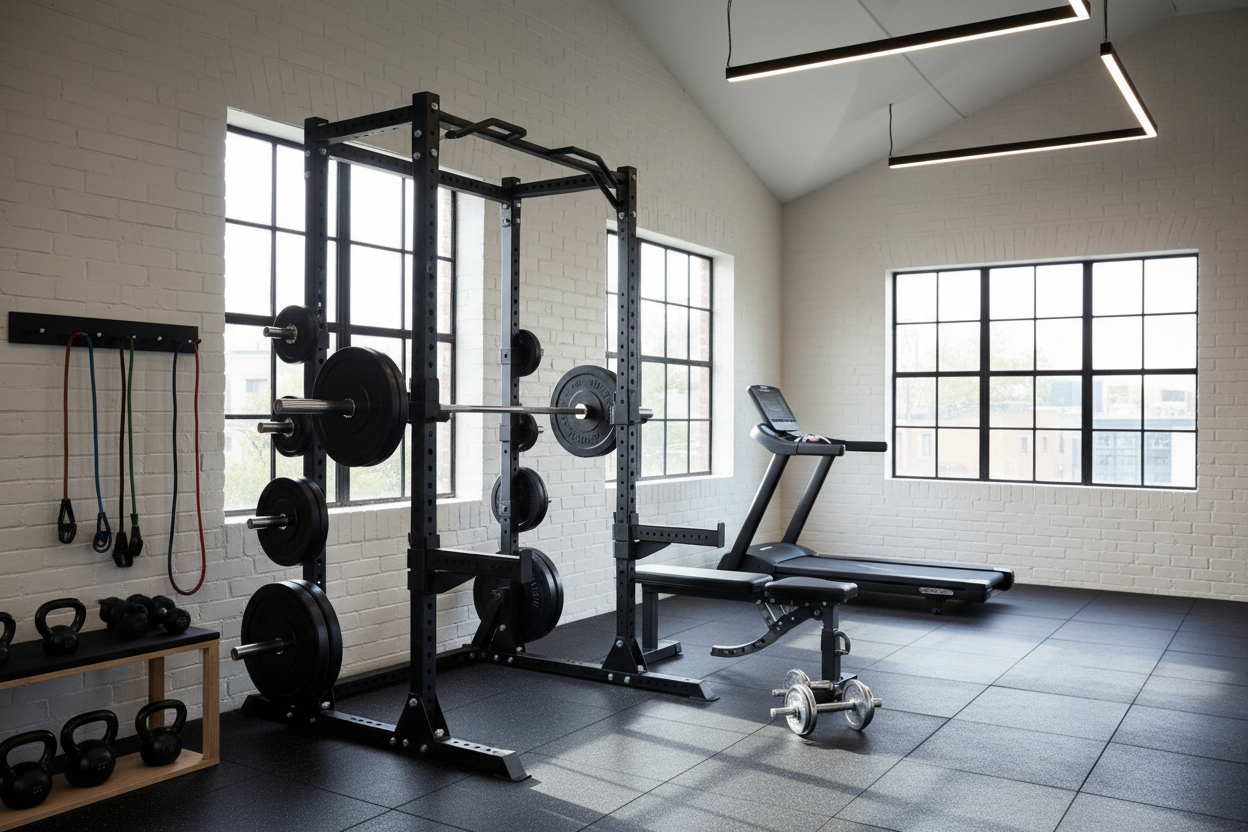
You spend weeks comparing 11-gauge steel vs. 14-gauge, measuring your ceiling height for the tenth time, and finally pulling the trigger on a $2,000 power rack. You think you found the best fitness shop because the website had a slick 3D viewer and free shipping. Then the freight truck arrives, drops a mangled wooden pallet in your driveway, and drives off before you realize the J-cups are missing and the uprights are scratched to hell.
I have been there. I have spent more on shipping heavy iron than most people spend on their first cars. The truth is that most retailers are just middle-men for factories in China, and their quality control ends the moment your credit card clears. If you want a gym that lasts longer than a New Year's resolution, you have to stop shopping for prices and start shopping for the company behind the steel.
Quick Takeaways
- If there is no phone number or physical address on the site, run away.
- Shipping heavy gear is a nightmare; the best shops use custom crates, not thin cardboard.
- A lifetime warranty is useless if the company goes bankrupt or ignores your emails.
- Test support with a technical question before you buy anything.
The Honeymoon Phase of Buying Heavy Iron
Every fitness site looks world-class in the renders. They show a shredded athlete squatting 500 lbs on a rack that looks like it belongs in a nuclear silo. You get excited, you click buy, and you wait. But the honeymoon ends the second that pallet hits the concrete. I once ordered a functional trainer that arrived with the pulleys crushed because the shop decided to save $20 on crating. The 'Best Fitness Shop' isn't the one with the coolest Instagram ads; it is the one that knows how to wrap a 100-lb barbell so it doesn't arrive looking like a banana.
Why Customer Support Trumps Dirt-Cheap Prices
Saving $50 on a barbell feels like a win until the knurling starts to rust after eight weeks or the sleeve stops spinning during a clean. I have seen guys lose their minds trying to get a refund from a budget shop that only communicates via a bot. My own experience testing multiple setups proved that most fitness machines are junk, and when they fail, you need a human on the other end of the line. If a shop does not offer a clear, written warranty on their welds and moving parts, they are telling you exactly how much they trust their own product.
The Inevitable 'Missing Hardware' Stress Test
Building a rack is a rite of passage. It is also the moment you realize you are missing three M12 bolts and a washer. This is where the dropshippers and the real shops diverge. A cut-rate shop will tell you to go to Home Depot and buy your own bolts, or worse, make you wait six weeks for a replacement bag from overseas. A top-tier retailer keeps spare hardware kits in a warehouse five states away and has them on your porch in 48 hours. I don't care how cheap the rack is; if I can't finish the build because of a missing bolt, that rack is just a very expensive coat hanger.
Three Red Flags That Disqualify a Retailer Immediately
First, look for the 'restocking fee.' If a shop charges you 20% plus return shipping because the gear was defective, they are a scam. Second, check their catalog for 'gimmicks.' If they are heavily pushing 'space-saving' gear that looks like it belongs in a late-night infomercial, they aren't for serious lifters. I've found that the best at home fitness machines don't fold up or collapse; they are built with rigid, heavy steel. Shops that sell flimsy, collapsible gear are prioritizing shipping costs over your safety.
Third, look for the 'ghost' support. Try to find a real phone number. If the only way to contact them is a contact form that looks like it was designed in 2004, they are hiding from you. Real fitness shops have a showroom, a warehouse, and people who actually lift weights answering the phones.
How I Actually Audit the Best Fitness Shop Before Handing Over My Credit Card
Before I drop $3,000 on a full gym setup, I send a 'test' email. I don't ask about the price. I ask a technical question: 'What is the specific tensile strength of the steel in this bar?' or 'Can I swap the standard pull-up bar for a multi-grip version on this specific rack?' If they reply in 24 hours with a real answer, I buy. If they give me a canned response or don't know the specs, I move on. You are looking for a partner in your training, not a vendor who just wants to clear inventory.
Personal Experience: The $800 Lesson
I once bought a set of adjustable dumbbells from a shop that had thousands of 5-star reviews. They looked great. Three months in, the locking mechanism jammed with a 50-lb weight over my face. When I reached out, the 'shop' was just a guy in a condo who had no spare parts and no way to fix it. I ended up with an $800 paperweight. Now, I only buy from brands that have been around long enough to see their gear actually age. I'd rather pay 10% more for a company that will actually be there when a cable snaps in three years.
FAQ
Is free shipping always a good thing?
Not necessarily. Shipping a 400-lb rack costs money. If the shipping is 'free,' that cost is baked into the price, or worse, they are using the cheapest, slowest freight carrier possible who will likely drop your gear off at the curb in a rainstorm.
What is the most important spec to look for in a shop?
The return policy. A shop that stands by their gear will offer at least a 30-day window with reasonable terms. If they make it impossible to return a defective item, they don't expect you to like what you bought.
Should I buy everything from one shop?
It's usually better to specialize. Buy your rack and plates from a heavy iron specialist, and your cardio gear from a company that actually knows how to build electronics. One-stop shops often have 'filler' products that are lower quality than their flagship items.
Share:
Why Finding the Best Home Gym for Tall Person Is a Total Nightmare
Why Most Small Home Gyms Ideas Fail (And How to Fix Yours)