
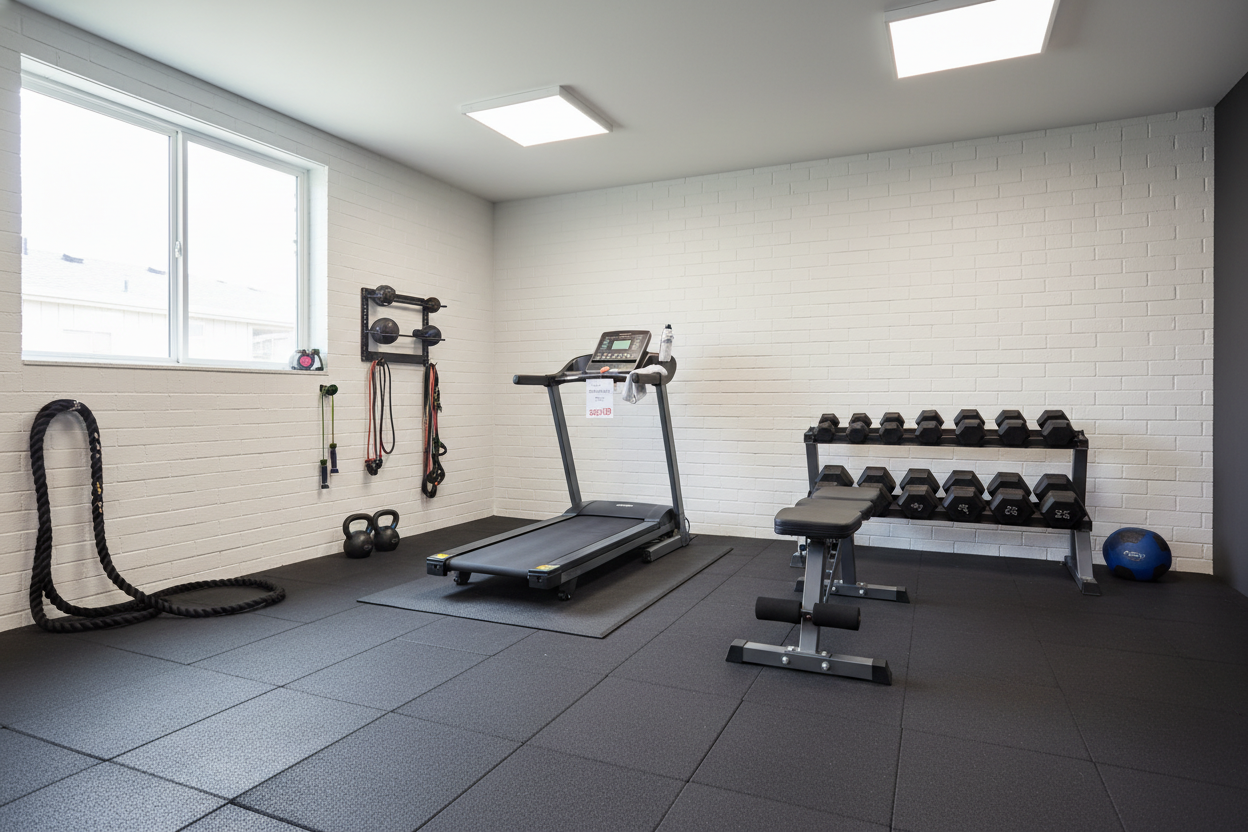
I remember the night I finally gave up on my local commercial gym. They raised the monthly dues again, and the 'functional' area was always packed with teenagers filming TikToks. I went home, opened my laptop, and started scrolling through endless pages of best budget cardio machine options, half of which looked like they were made of recycled soda bottles. It is a minefield out there.
Quick Takeaways
- Avoid motors: At this price point, motors are the first thing to burn out.
- Heavy flywheels matter: A 30lb+ flywheel provides the momentum needed for a smooth, non-jerky stroke.
- Steel over plastic: If the main frame isn't powder-coated steel, it’s a coat rack in disguise.
- Simple consoles: You don't need a 20-inch screen; you need a timer and a distance tracker.
The Trap of 'Cheap' vs. 'Budget'
There is a massive psychological difference between buying a 'cheap' machine and a 'budget' one. Cheap gear is designed to look good in a staged Amazon photo but feels like a vibrating mess the moment you actually put 200 pounds of human weight on it. I’ve tested spinners that felt like they were going to tip over during a standing climb because the base was too narrow and the steel was too thin.
The best cheap cardio machine isn't the one with the most buttons. It’s the one with the fewest moving parts. When you go for motorized equipment under $300, you are asking for trouble. The motors are underpowered, the belts are thin, and the electronics are prone to frying during a minor power surge. I usually tell people to Stop Buying Cheap Treadmills: The Best Cardio Machine for Home because a manual machine will always outlast a poorly made motorized one.
Budget gear, on the other hand, prioritizes the frame and the resistance mechanism. You might lose the fancy Bluetooth speakers, but you gain a machine that can actually handle a daily HIIT session. Look for friction resistance or simple air-resistance fans. These are mechanically basic, which means there is less stuff to break when you are deep into a sweat.
Where Brands Cut Corners on Cheap Home Cardio Equipment
If you want to find the real quality of cheap home cardio equipment, you have to look at the guts. I’ve pulled apart enough machines to know where the 'planned obsolescence' lives. It’s usually in the bearings. High-end gear uses sealed cartridge bearings; budget gear often uses unsealed bushings that grind down into metal shavings after six months of use. If you hear a squeak that won't go away with a little lube, your bearings are toast.
Another red flag is the drive belt. A multi-ribbed Kevlar belt is the gold standard for a quiet, reliable ride. Cheap machines use thin rubber belts that stretch and slip the moment they get warm. Before you pull the trigger, I always recommend checking the Manuals Cardio section on a manufacturer’s website. If they don't list a parts breakdown or show you how to replace a belt, they probably don't expect the machine to live long enough to need one.
Monitor systems are another area where brands save money. You’ll see these '10-in-1' computers that track everything from heart rate to calories burned. Newsflash: they are almost all inaccurate. I’ve had monitors tell me I burned 500 calories in ten minutes of light rowing. Don't pay extra for a 'smart' console on a budget machine. Buy a basic one and use your phone or a cheap chest strap for real data.
My Pick for the Best Affordable Cardio Machine for Home
After testing rowers, cycles, and even those weird vertical climbers, my pick for the best affordable cardio machine for home is a heavy-duty friction-resistance spin bike. Why? Because it’s almost entirely steel. You get a 35-pound chrome flywheel, a chain or belt drive, and a felt pad for resistance. There are no circuit boards to fry and no motors to burn out. It’s a tank.
The specific model I’ve been using in my garage for the last year has a 300-lb weight capacity and a frame that doesn't wobble when I’m doing 500-watt sprints. It’s not 'smart.' It doesn’t have a subscription service. But it works every single time I clip in. When you finally decide to buy cardio equipment, prioritize the weight of the unit itself. If the bike weighs 80 lbs and the flywheel is 40 lbs, that’s a solid ratio for stability.
One mistake I made early on was ignoring the seat and pedal quality. Most budget bikes come with a seat that feels like a brick and plastic pedals that snap. Factor an extra $40 into your budget to swap those out for a gel seat and some metal SPD pedals. It turns a 'cheap' experience into something that feels like it belongs in a high-end studio.
How to Program Brutal Sweats on Basic Gear
You don't need a virtual coach screaming at you through a screen to get a world-class workout. In fact, some of the hardest sessions I’ve ever done were on a basic air bike with a broken timer. Basic gear forces you to focus on the effort, not the entertainment. Here are three ways I use budget gear to get the job done.
First, the 30/30 Sprints. Set a stopwatch. Go 100% effort for 30 seconds, then coast for 30 seconds. Repeat this for 10 to 20 rounds. Because there’s no motor forcing the pace, you are the engine. If you slack off, the resistance drops. It’s a pure test of will. Second, the 10-Mile Slog. This is for the days you just need to move. Put on a podcast, set the resistance to 'medium,' and just keep the flywheel spinning. It’s boring, it’s effective, and it builds that aerobic base.
Finally, try an EMOM (Every Minute on the Minute). At the start of every minute, perform a specific distance or calorie count. If you finish in 40 seconds, you get 20 seconds of rest. If you finish in 55 seconds, you better get ready to go again. This is where the durability of your cheap home cardio equipment is tested. If the frame starts creaking during an EMOM, you know you’ve reached the limit of the machine’s build quality.
Personal Experience: The $150 Rower Disaster
I once bought a magnetic rower for $150 because the reviews said it was 'whisper quiet.' It was quiet, mostly because the magnetic resistance was so weak it felt like I was pulling a string through air. Within two weeks, the nylon cord started fraying. Within a month, the 'computer' screen died. I learned the hard way that if a deal looks too good to be true, it’s because the manufacturer used plastic where there should have been steel. I ended up selling it for $20 on Craigslist and buying a used spin bike that still works five years later.
FAQ
Is a $200 treadmill worth it?
Usually, no. Treadmills have too many moving parts and high-torque requirements for a $200 price point to offer any real longevity. You are better off with a manual bike or rower.
How do I make a budget machine feel smoother?
Keep the drive chain or belt clean and lubricated. Tighten every bolt on the frame once a month. Most 'cheap' feelings come from loose bolts rattling during use.
Can I use budget cardio gear for weight loss?
Absolutely. Your heart doesn't know if your bike cost $200 or $2,000. It only knows your heart rate and the duration of the effort.
Share:
I Tested 50 Gadgets: Here Are My Actual Home Workout Essentials
I Tested the Cheapest Fitness Equipment Online (Here's What Broke)